
An open yard can feel exposed, noisy, and hard to enjoy. You may have plenty of plants, yet the space still lacks privacy and character.
The best secret garden ideas solve this problem by hiding part of the yard from view. A curved path, leafy screen, or garden gate can make a familiar space feel more private. You do not need a large yard or mature hedge to get this effect.
A small patio, side yard, or unused corner can become a private garden retreat. The key is to create a sense of separation and give people a reason to explore.
The following ideas will help you plan an entrance, block unwanted views, choose plants, and create a comfortable place to sit. Start with one or two features. You can add the smaller details as the garden grows.
1. Mark the Entrance With an Arbor or Garden Gate
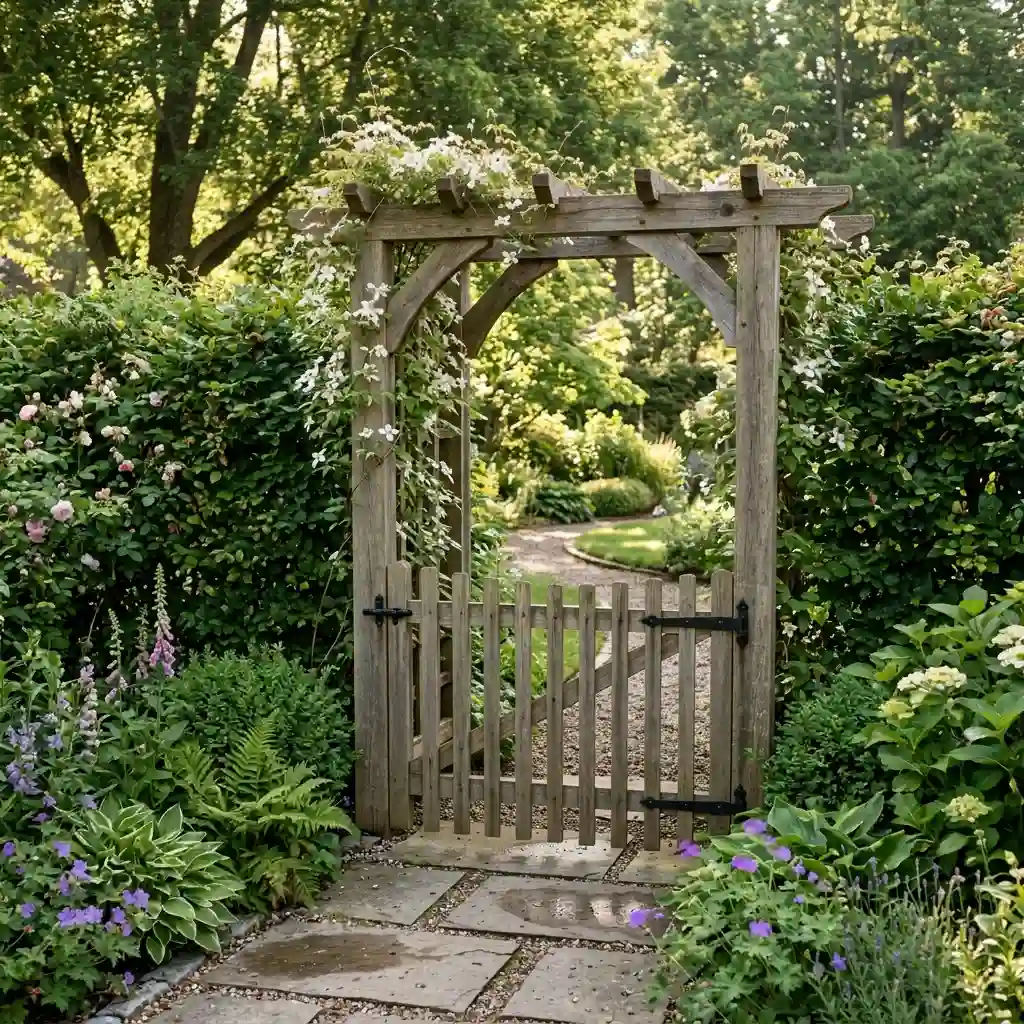
A clear entrance makes your garden feel separate from the rest of the yard. It tells visitors that they are entering a new space.
Use a wooden arbor, metal arch, or simple garden gate. Place it where visitors cannot see the entire garden at once. An entrance at the side of a hedge or screen creates more mystery than one placed in the center.
Climbing plants can soften the structure. Clematis, climbing roses, honeysuckle, and star jasmine are useful options in suitable climates. Some climbers need strong supports and regular tying, so check the plant label before buying.
Make sure the opening is wide enough for easy access. Leave extra room if you need to move a mower or wheelbarrow through it.
Best for: Side yards and exposed garden entrances
Budget option: Build a basic arch from timber or cattle panels
Watch out for: Heavy vines growing on weak supports
Try this: Mark the entrance with two tall containers before adding a permanent gate
2. Use a Curved Path to Hide the Final View
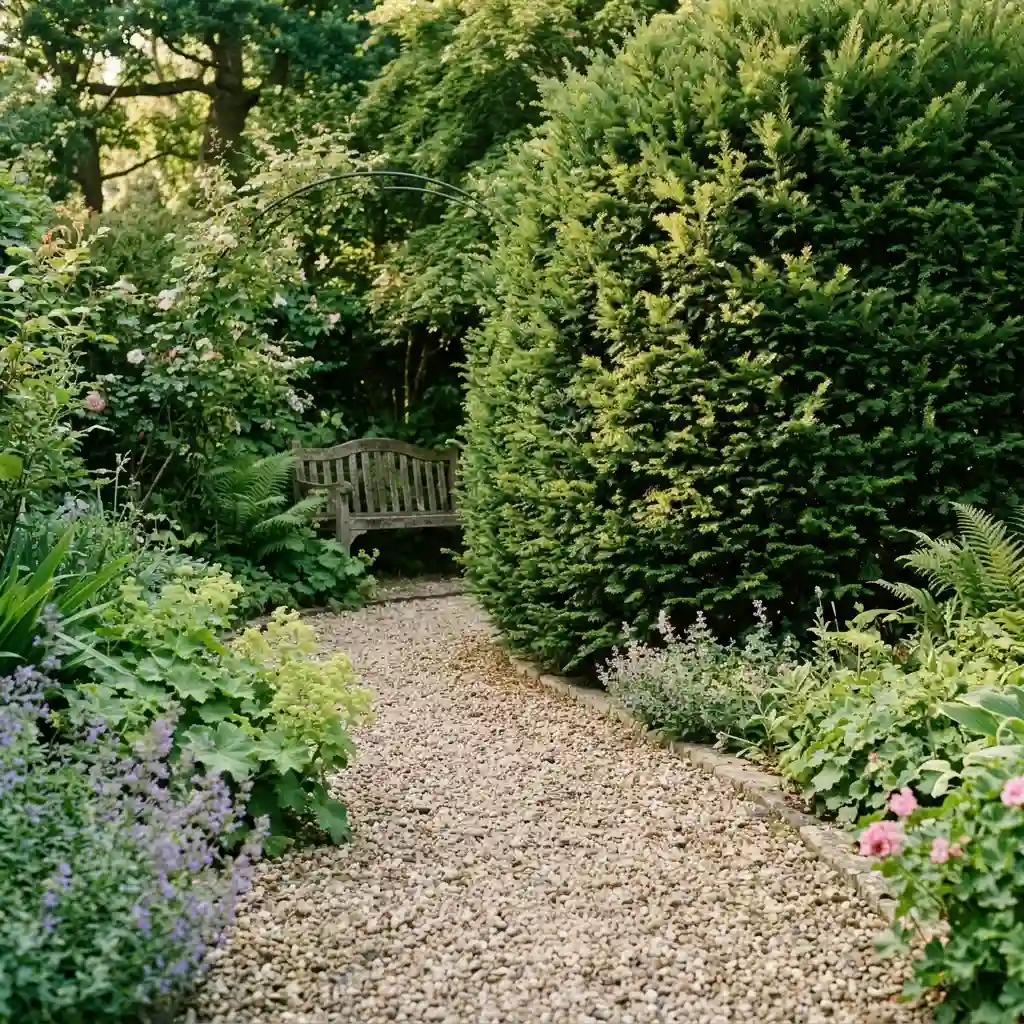
A straight path shows visitors where they are going. A curved path makes them wonder what is around the bend.
Guide the path behind a shrub, screen, or group of tall flowers. Even one well-placed plant can hide a bench or focal point from the entrance. This can make a small yard feel deeper than it is.
Gravel is affordable and produces a pleasant sound underfoot. Brick and stepping stones create a more formal look. Bark can work in informal areas, but it may need regular replacement.
Keep the walking surface stable and clear. Plants can spill slightly over the edges, but they should not hide steps or create a tripping risk.
Best for: Long yards and narrow side gardens
Budget option: Use wood chips or spaced stepping stones
Watch out for: Loose gravel spreading into planting beds
Try this: Lay a garden hose on the ground to test the curve
3. Create Privacy With Layered Planting
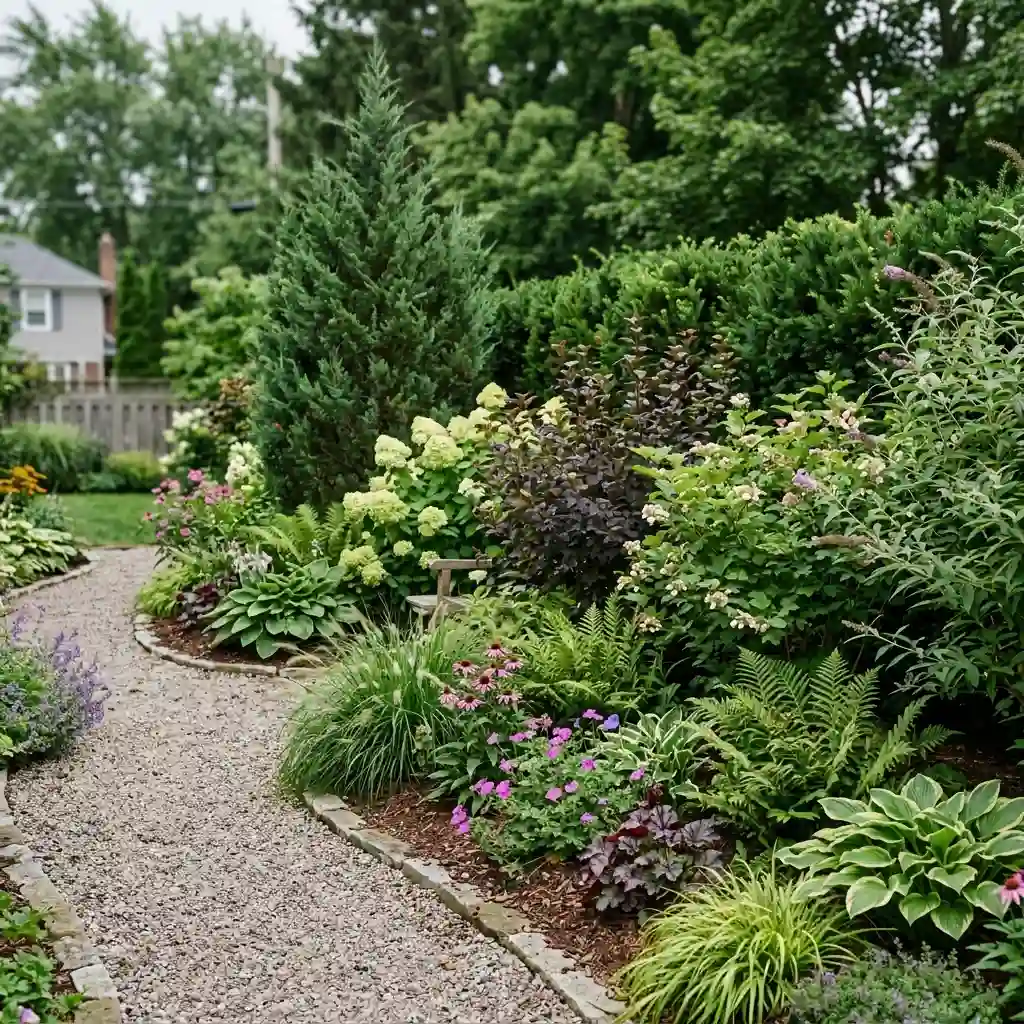
One row of shrubs may block a view, but it can look flat. Layered planting creates privacy while making the garden feel full and natural.
Begin with a small tree or tall evergreen at the back. Add medium shrubs in front of it. Finish with perennials, grasses, ferns, or ground covers along the edge.
Use evergreen plants where you need screening in winter. Mix them with flowering shrubs and plants that change with the seasons. This gives you privacy without creating a heavy wall of green.
Always check the mature height and width of each plant. A small shrub at the nursery may become far too large for its space. Leave enough room for pruning and airflow.
Best for: Blocking nearby homes or open fences
Budget option: Start with small plants and let them fill in
Watch out for: Planting shrubs too close together
Try this: Arrange empty pots at different heights to test the layers
4. Add a Hidden Bench or Small Bistro Set
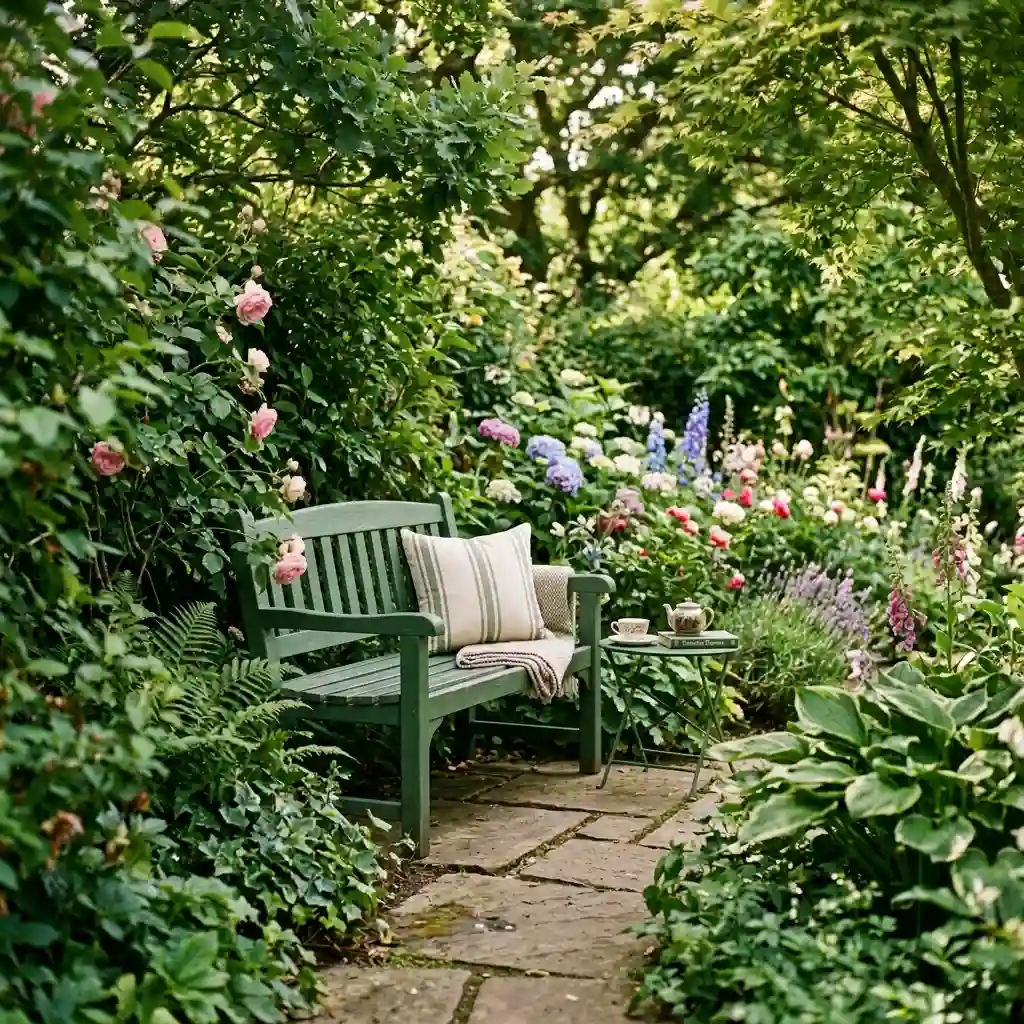
A secret garden needs a place where you can pause. Without seating, it may look pretty but receive little use.
Place a bench away from the house or behind a screen. Face it at a tree, water feature, flower bed, or other pleasant view. If possible, choose a spot with afternoon shade.
A single bench fits a narrow corner. A small bistro set works well if you want to drink coffee or talk with a friend. Avoid large furniture that fills the entire space.
Set the furniture on pavers, gravel, or another firm surface. This keeps chair legs from sinking into wet soil.
Best for: Reading corners and quiet outdoor breaks
Budget option: Refresh a secondhand bench with outdoor paint
Watch out for: Placing furniture on soft or uneven ground
Try this: Leave a temporary chair in the spot for a few days before deciding
5. Cover a Bare Fence With Climbing Plants
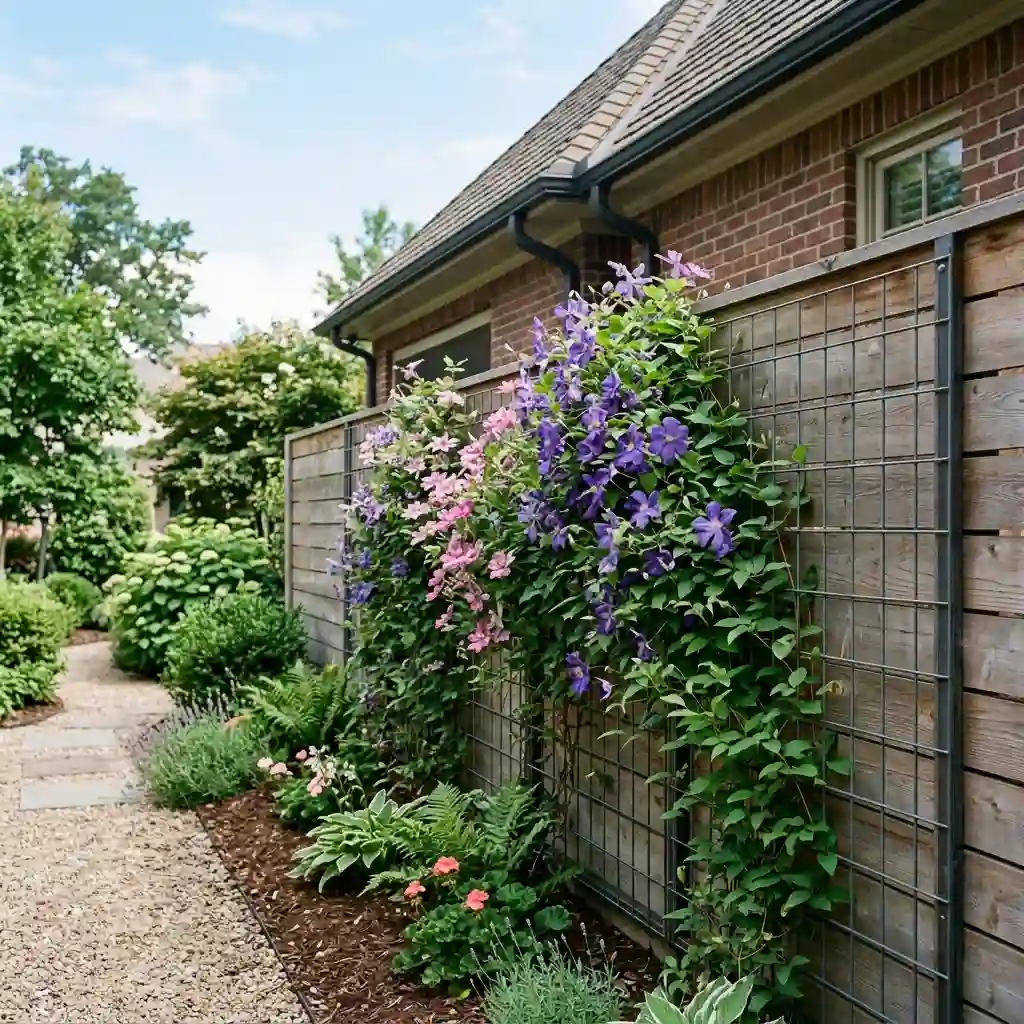
A bare fence can make a small garden feel boxed in. Climbing plants soften the hard surface and create a living wall.
Install a trellis or wire support slightly in front of the fence. This gives the plants room to grow and allows air to move behind them. Renters can use freestanding trellis panels set inside heavy containers.
Clematis works well on a trellis. Climbing roses need strong support and regular tying. Star jasmine can offer evergreen leaves and scented flowers in warmer areas.
Some vines grow fast and become hard to control. Check local invasive plant lists before choosing one. You should also make sure the support can carry the plant’s mature weight.
Best for: Small yards with visible fences
Budget option: Attach simple garden wire to sturdy fence posts
Watch out for: Fast-growing vines entering gutters or roof spaces
Try this: Choose one climber that matches the light in your garden
6. Hide the Garden Behind a Hedge or Screen
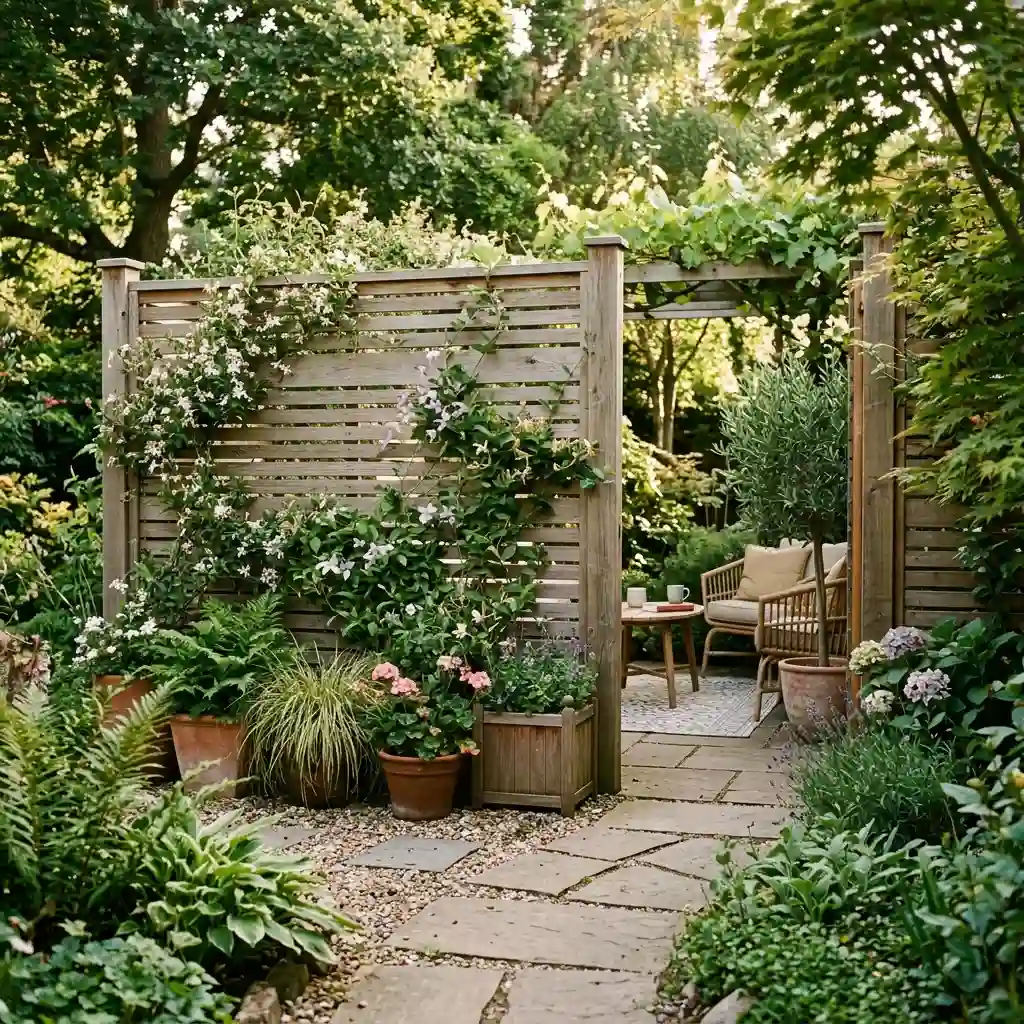
You do not need to enclose the entire yard. Blocking one important sightline may provide all the privacy you need.
Use a hedge, lattice panel, wooden screen, or woven willow section. Leave a narrow opening at one side instead of placing it in the center. This stops people from seeing straight into the garden.
A mixed hedge can provide flowers, berries, and varied leaf shapes. A built screen gives faster results and takes up less ground space. You can soften it with planters or light climbing plants.
Check local height and placement rules before installing a tall structure. In a tight garden, leave enough space for sunlight and airflow.
Best for: Patios overlooked by neighbors
Budget option: Place tall grasses in large containers
Watch out for: Screens that cast too much shade
Try this: Block the most exposed view before screening anything else
7. Place Fragrant Plants Near Paths and Seats
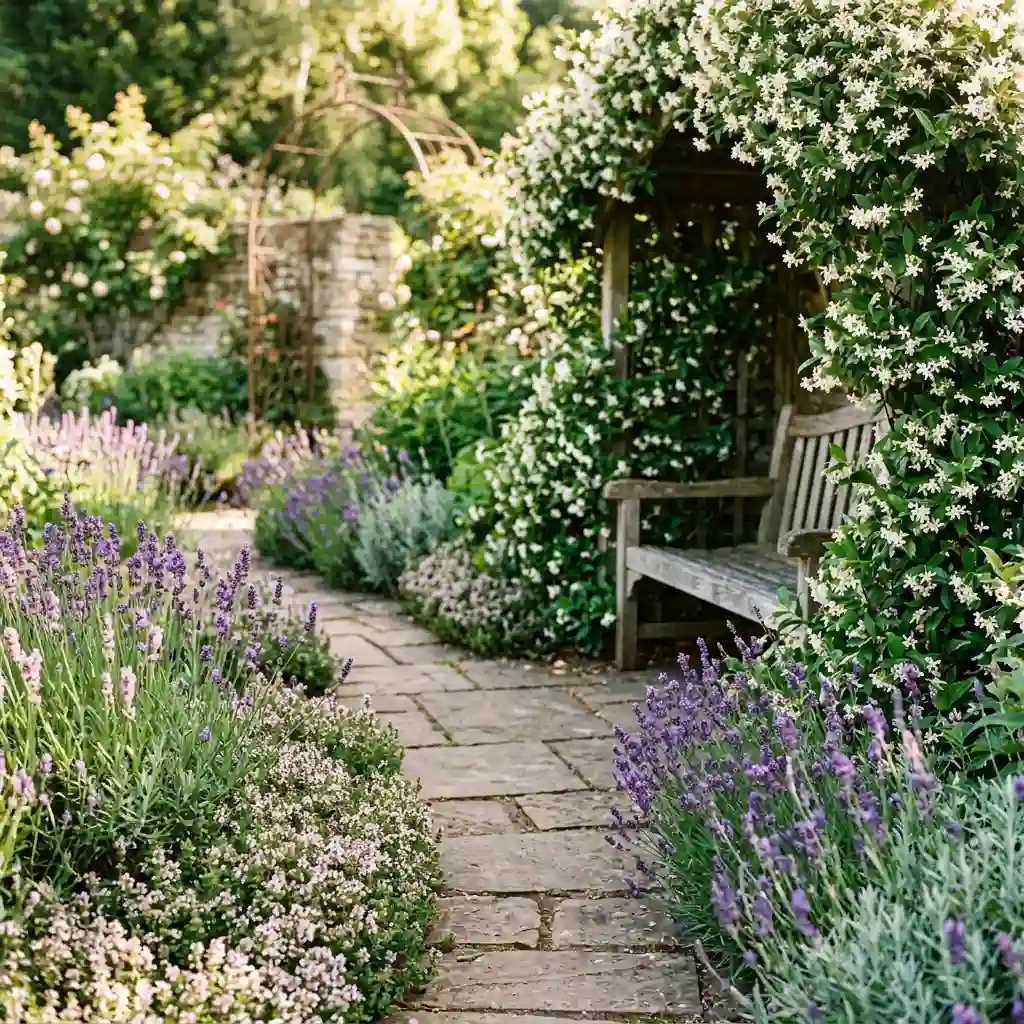
Fragrance makes a garden more memorable. But scented plants have the most impact when they are placed where you can enjoy them.
Grow low fragrant plants beside paths. Place taller scented flowers close to a bench or doorway. You can also add plants that release their scent when their leaves are touched.
Lavender and thyme suit sunny, well-drained areas in many climates. Gardenia and star jasmine can work in warmer places. Sweet alyssum is useful in pots and along low borders.
Avoid mixing several strong scents in one small corner. One or two clear fragrances often work better. Keep spreading herbs, such as mint, inside containers.
Best for: Seating areas and paths near the house
Budget option: Grow fragrant annuals from seed
Watch out for: Plants that need different soil or watering conditions
Try this: Pick one fragrant plant that flowers when you use the garden most
8. Add One Antique-Style Focal Point
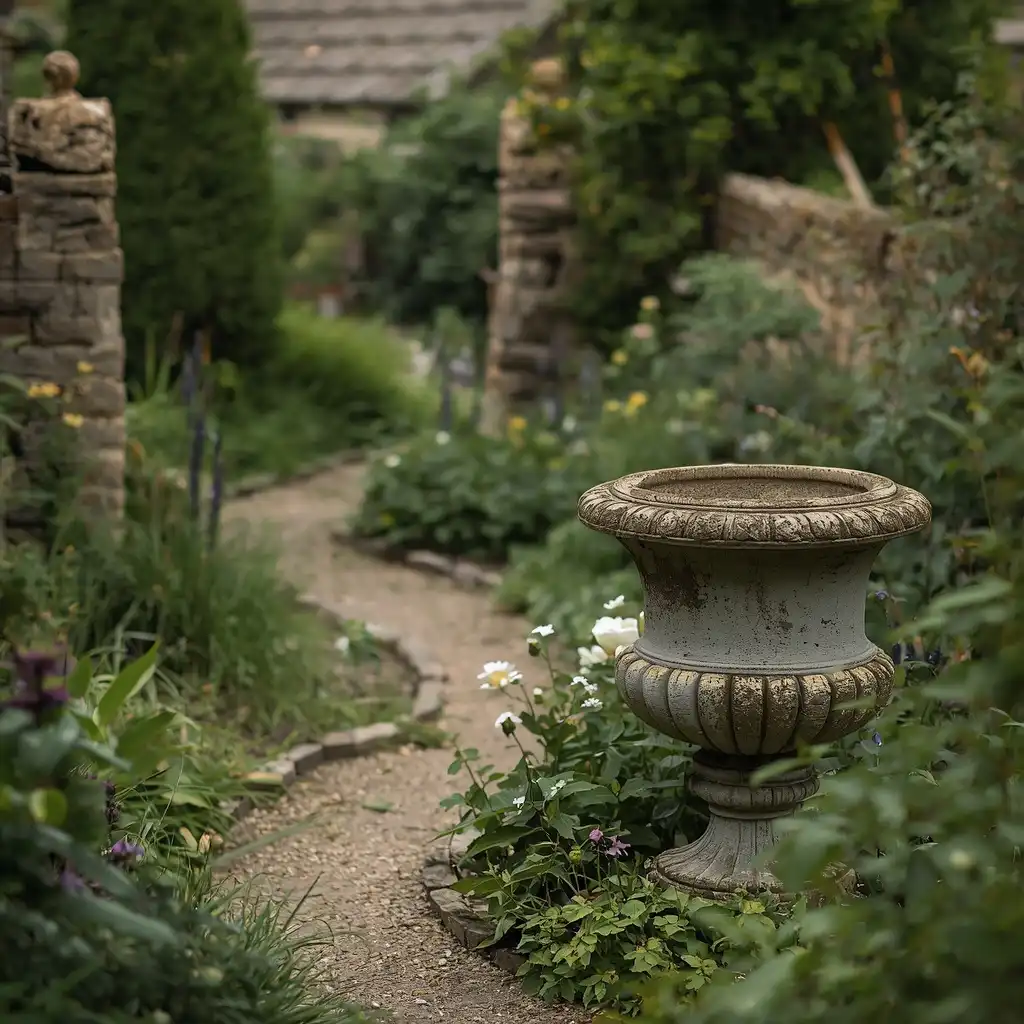
An old-looking feature can make a young garden feel as if it has a history. The trick is to use one strong item instead of many small ornaments.
Consider a stone urn, sundial, weathered statue, birdbath, or aged metal chair. Place it at the end of a path or partly behind leaves. The object should feel discovered rather than put on display.
A secondhand urn can become a planter. Salvaged bricks can form a base for a birdbath. These choices often cost less than new garden decorations.
Use mirrors with care. Reflections can make a small garden feel larger, but glare may be unpleasant. A poorly placed mirror can also confuse birds.
Best for: Cottage and vintage-style gardens
Budget option: Use a secondhand pot with an aged paint finish
Watch out for: Too many decorations competing for attention
Try this: Pick one object and build the surrounding planting around it
9. Use a Small Water Feature to Soften Noise
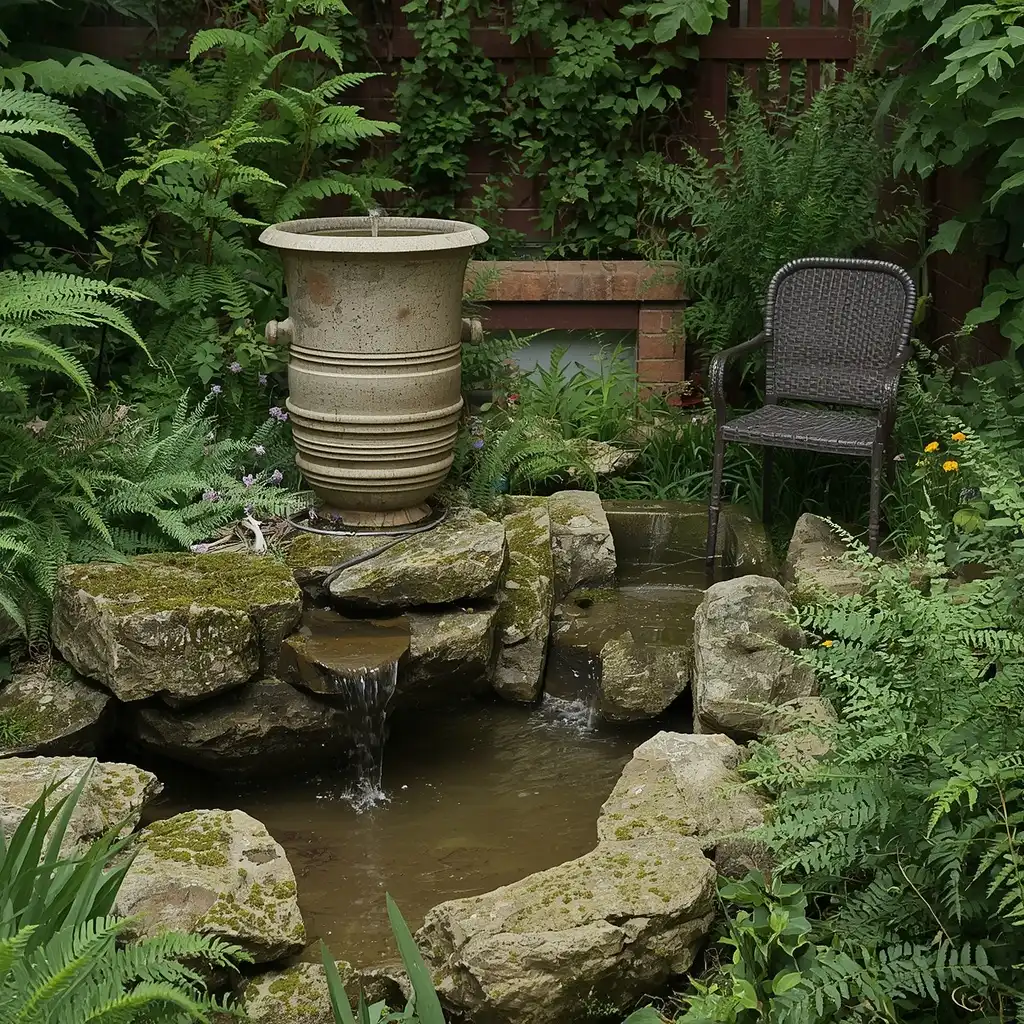
The sound of moving water can make a garden feel calmer. It may also help cover traffic, air conditioners, and nearby conversations.
You do not need a large pond. Try a wall fountain, bubbling urn, recirculating bowl, or shallow wildlife dish. Choose a size that leaves enough room for plants and seating.
A powered pump often provides more reliable movement than a small solar pump. Solar models can still work well in spots that receive steady direct sun.
Water features need basic care. Remove fallen leaves, refill lost water, and clean the pump when needed. Use a shallow design if children or pets spend time in the area.
Best for: Urban gardens and noisy patios
Budget option: Add a small solar bubbler to a wide bowl
Watch out for: Pumps becoming blocked by leaves or dirt
Try this: Test the sound before choosing the final location
10. Create a Woodland Feel With Ferns and Foliage
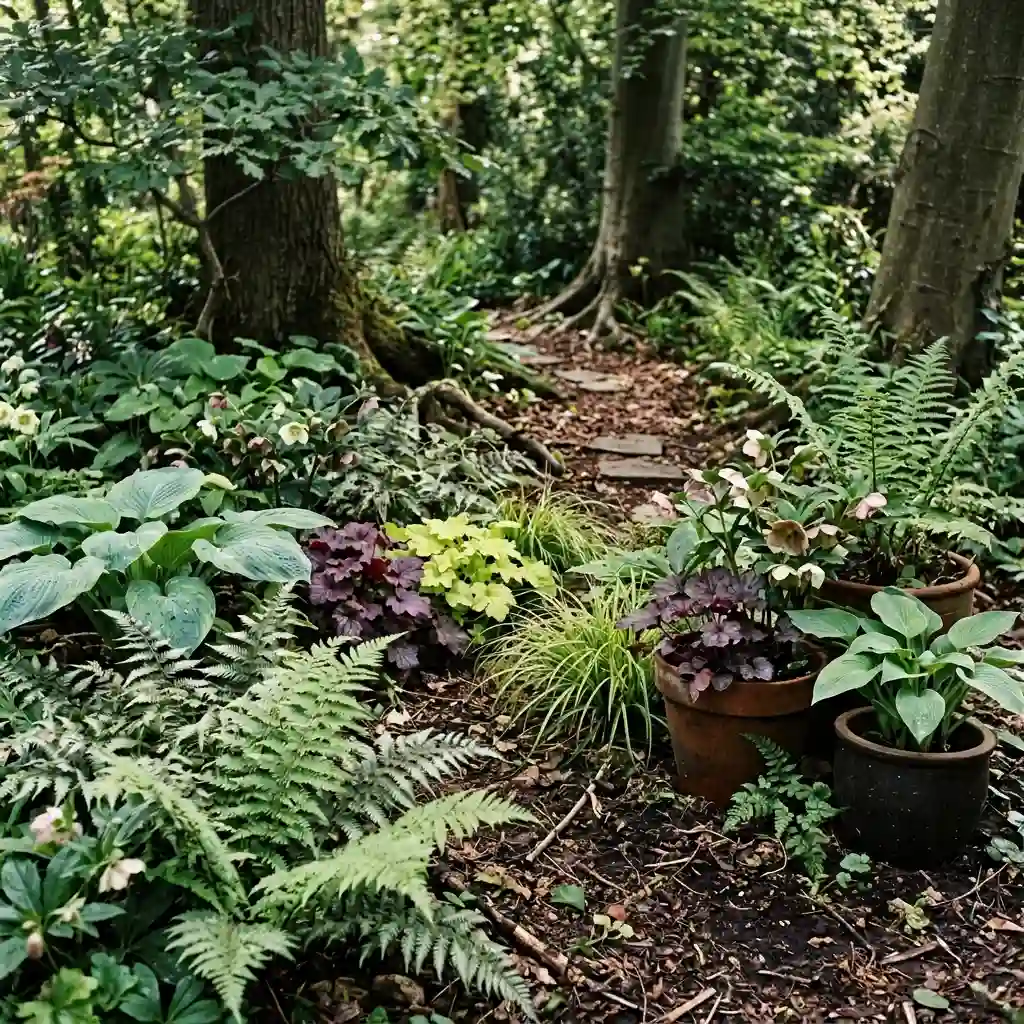
Flowers are useful, but leaves can carry a shaded secret garden through the full growing season.
Mix plants with different leaf shapes and colors. Pair broad hosta leaves with fine ferns, woodland sedges, or heuchera. Hellebores can provide flowers during colder parts of the year in suitable climates.
Shade does not always mean damp soil. Areas under trees can be very dry because roots take much of the available water. Check the soil before choosing plants.
Moss also needs the right conditions. It will not grow well in every dark corner. If tree roots make planting difficult, use containers filled with suitable soil.
Best for: Shaded corners and areas under trees
Budget option: Divide established shade plants from another garden bed
Watch out for: Dry soil and root competition
Try this: Check the area at three times of day to measure its shade
11. Create Overhead Cover With a Tree or Pergola
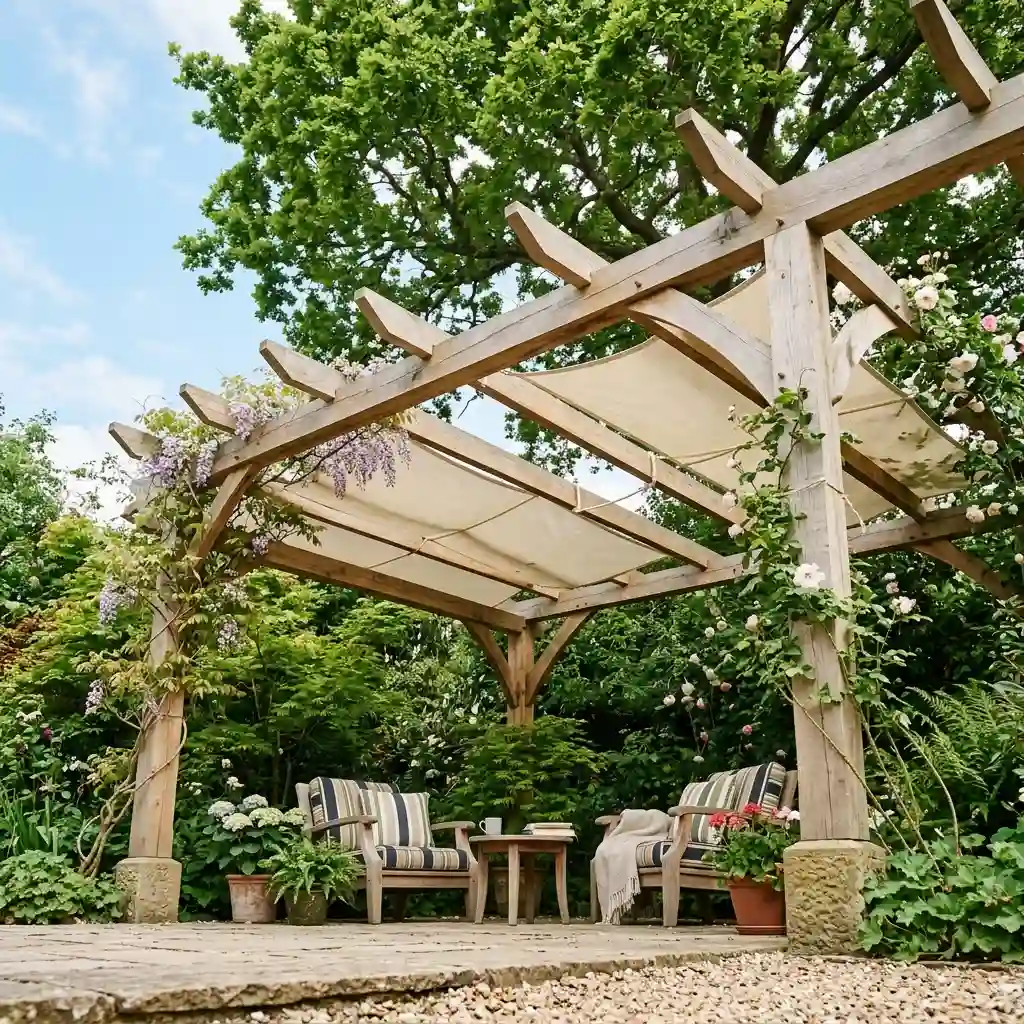
Privacy does not come from side screens alone. A light canopy can make the space feel protected from above.
A small ornamental tree can provide natural cover. Choose one with a mature size that suits the yard. Large trees planted close to walls, pipes, or power lines may cause problems later.
A pergola gives faster structure and can frame a seating area. Leave some open space above so air can move through. You can add shade cloth or climbing plants if you need more cover.
Remember that vines become heavier as they grow. The frame must support their mature weight and cope with wind.
Best for: Sunny seating areas that feel exposed
Budget option: Use a simple timber frame with outdoor fabric
Watch out for: Large plants placed too close to buildings
Try this: Mark the pergola size on the ground before buying materials
12. Add Soft Lighting Without Losing the Mood
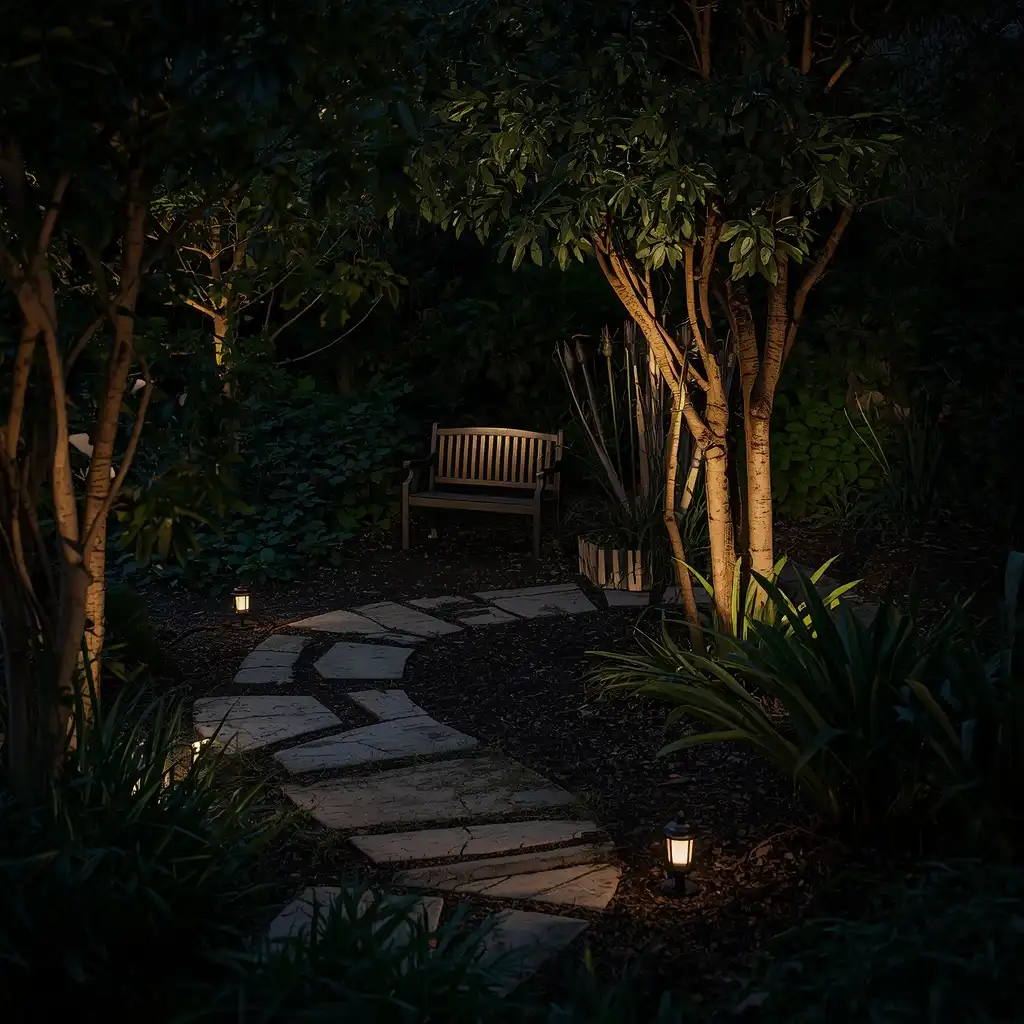
Garden lighting should help you move safely without turning night into day.
Use low lights beside steps, sharp turns, and changes in ground level. Place a lantern near the seat and a small light near the main focal point. This creates enough visibility while keeping other areas dark.
Warm light usually feels softer than bright white light. Hide fixtures behind low plants or under the edge of a structure. Aim each light down so it does not shine into a neighbor’s window.
Solar lights are easy to install, but their results depend on sun exposure and battery quality. Use outdoor-rated equipment. Hire a qualified electrician for mains-powered wiring.
Best for: Gardens used after sunset
Budget option: Use outdoor solar lanterns around the seating area
Watch out for: Glare and too many lights
Try this: Light one path and one feature first
13. Hide a Small Detail for Visitors to Find
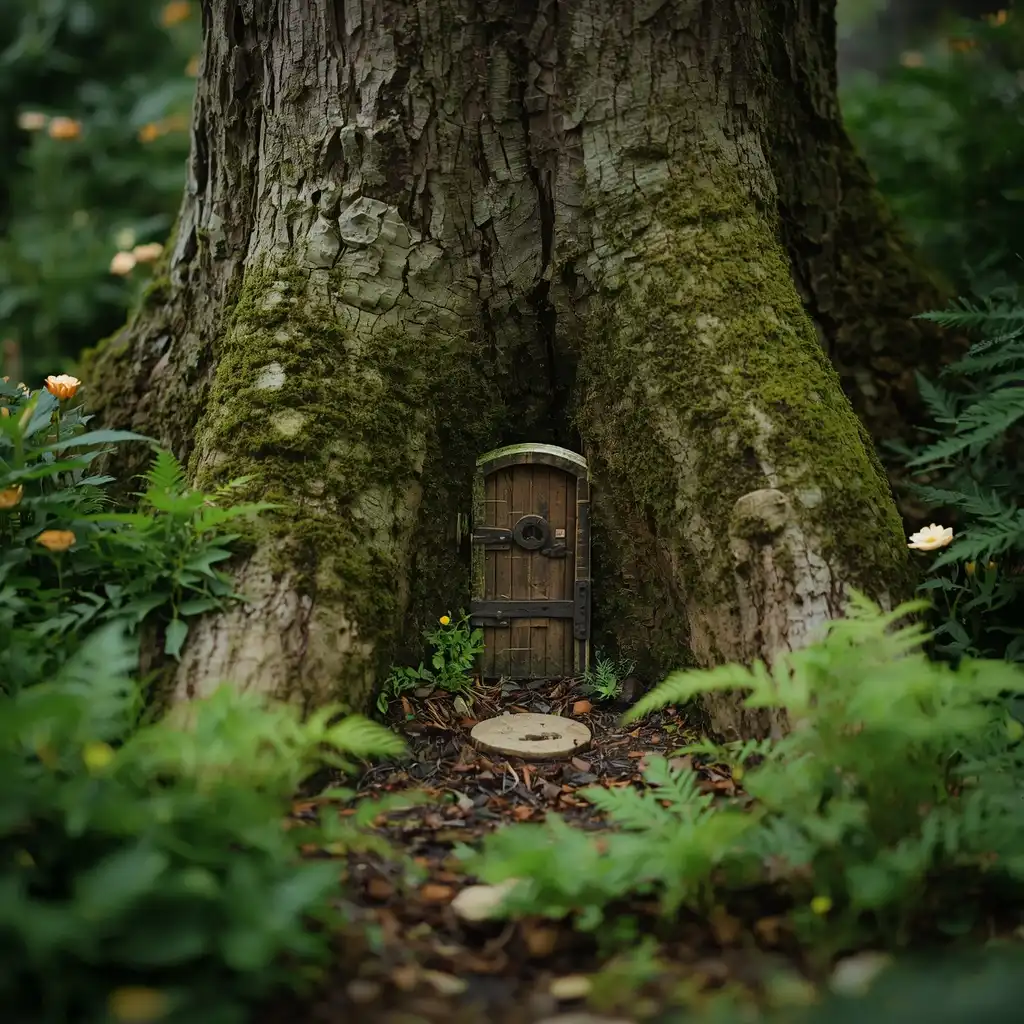
A small surprise can give your garden a playful side. It works best when people do not notice it at once.
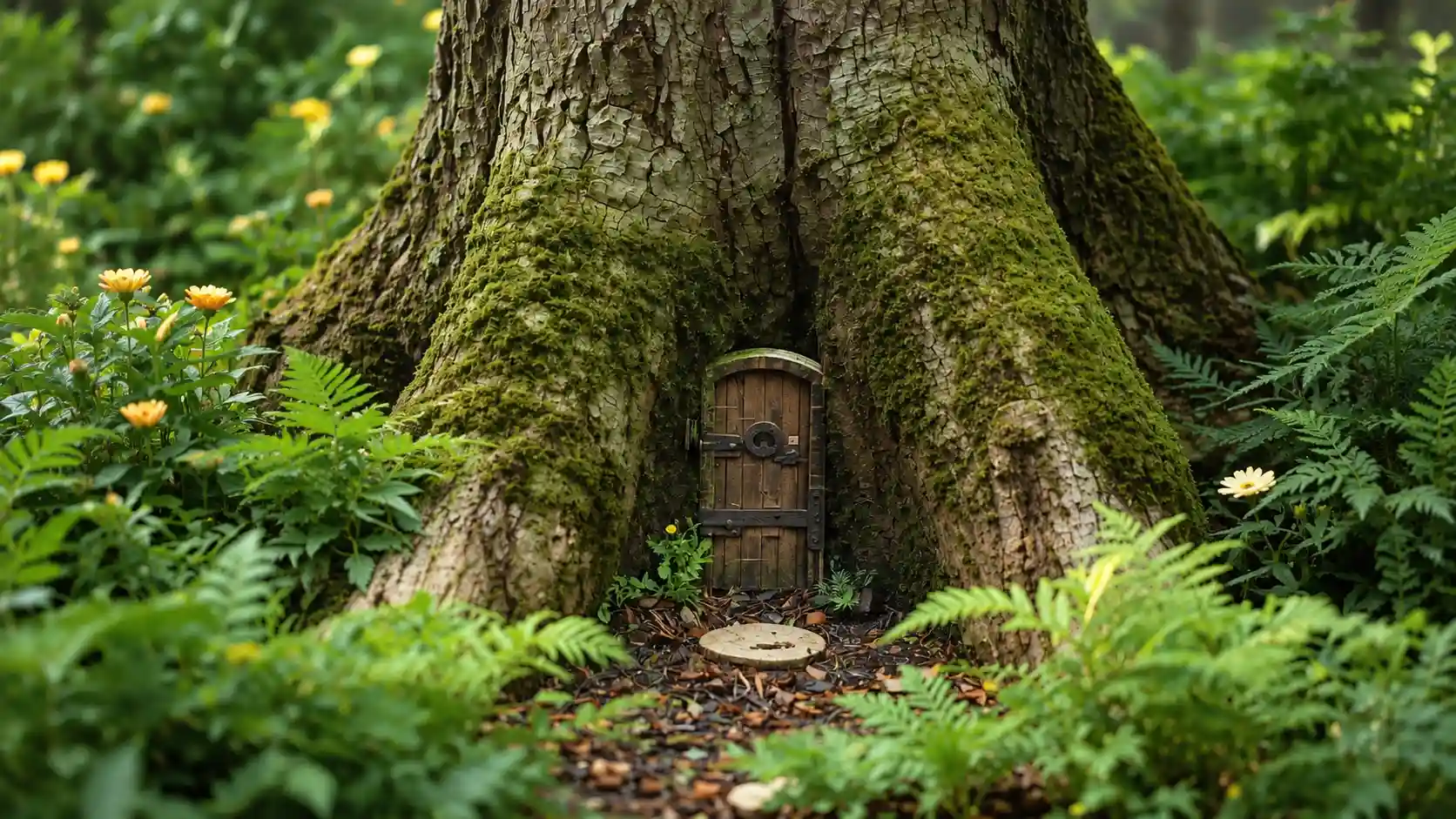
Add a tiny wooden door to a stump, hide a small sculpture among the leaves, or hang a bell beneath an arbor. A short sign can also mark the entrance.
Place the feature low or around a bend. It should reward people who look closely. Bright sets of decorations can make the space feel crowded, so stay with one style.
Handmade items often feel more personal than matching store-bought pieces. Use outdoor-safe paint and materials that can cope with rain.
Best for: Family gardens and playful spaces
Budget option: Paint a small door using leftover wood
Watch out for: Decorations that fade, rust, or break outdoors
Try this: Hide one item where it can be seen from the garden seat
14. Build a Secret Garden in a Small Space
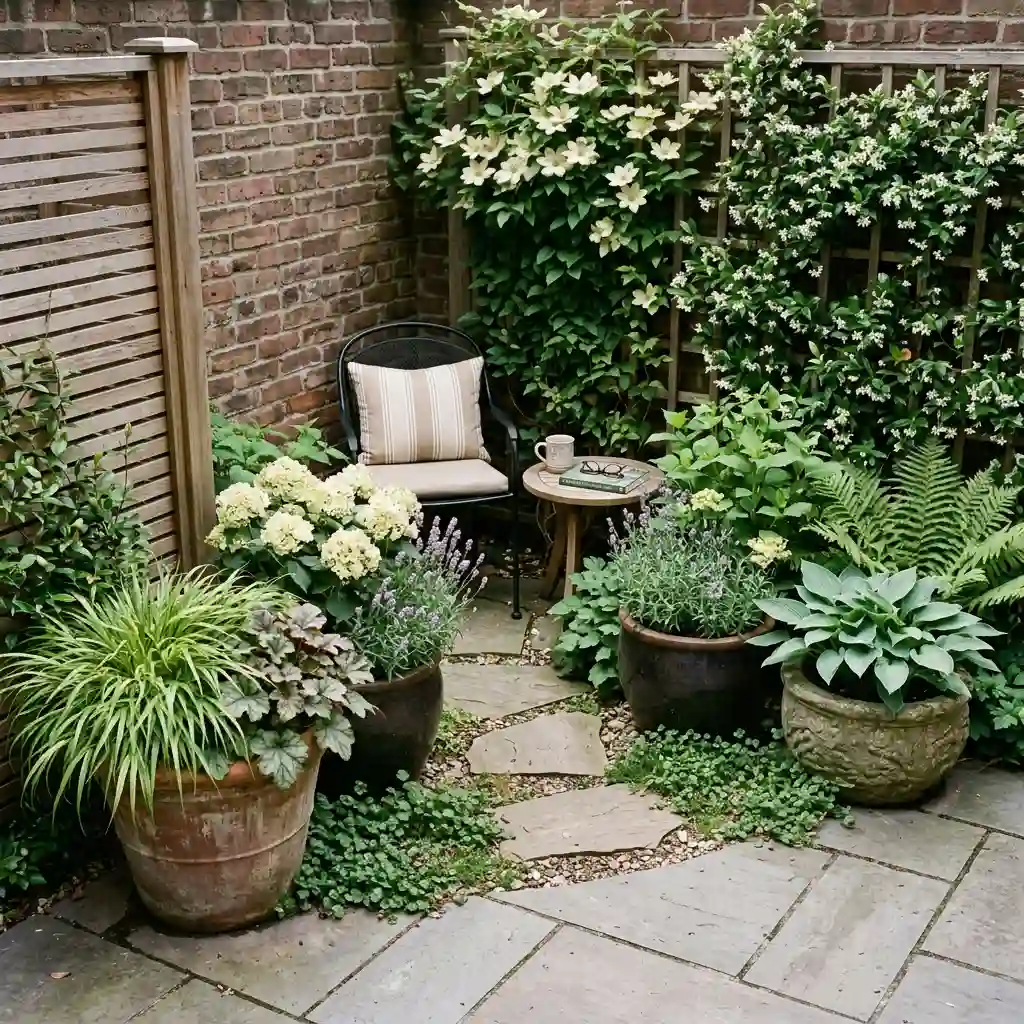
A small yard can still feel hidden. You need to control what people see, not fill the area with features.
Use a narrow screen or tall containers to protect one corner. Add a slim chair or bench behind them. A short path or line of stepping stones can guide people into the space.
Grow plants upward on a trellis instead of using wide shrubs. Choose compact varieties and check their mature size. Too many large plants will quickly make a small garden hard to use.
Keep the colors simple. Two or three flower colors can make the design feel calm. A side yard, balcony, or patio corner can work if it offers privacy and a clear place to sit.
Best for: Patios, balconies, and narrow yards
Budget option: Group existing pots around one chair
Watch out for: Oversized plants and bulky furniture
Try this: Combine one screen, one seat, and three large containers
15. Let the Edges Look Soft and Slightly Overgrown
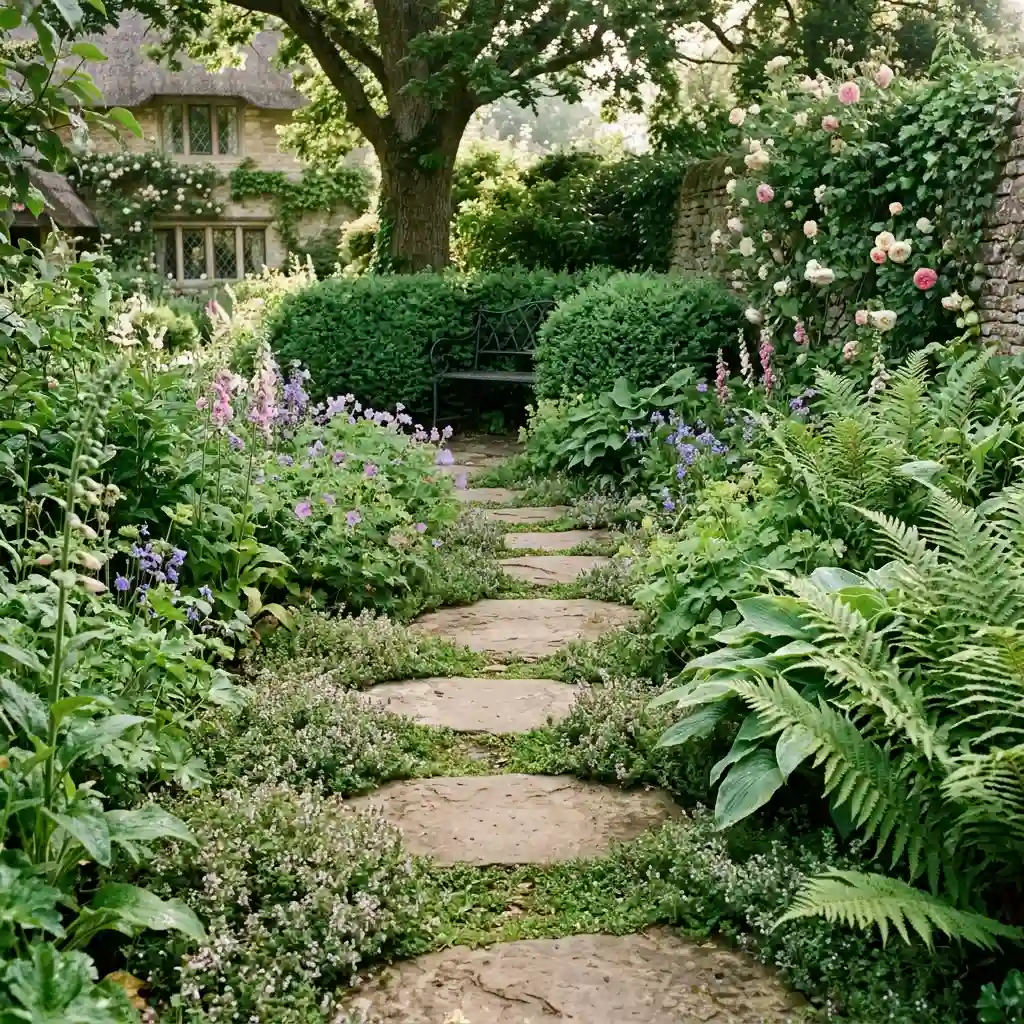
A secret garden should feel relaxed. Still, there is a difference between soft growth and poor care.
Let creeping plants spread between stepping stones where the surface remains safe. Allow ferns and flowers to lean slightly over bed edges. This softens hard lines and gives the garden a settled look.
Creeping thyme may work along sunny paths in suitable climates. Ferns can soften shaded borders. Self-seeding flowers can fill small gaps, but remove seedlings that appear in unsafe places.
Keep entrances, paths, and seats clear. Remove invasive plants, dead branches, and anything that hides a step. One neat feature, such as a clipped hedge or clean path, will balance the loose planting.
Best for: Cottage and woodland garden styles
Budget option: Allow suitable plants to spread and divide naturally
Watch out for: Hidden trip hazards and aggressive plants
Try this: Keep the center of each path clear while softening its edges
How to Plan Your Secret Garden Without Wasting Money
Before buying plants, decide how you want to use the space. It might be a reading corner, a dining spot, a wildlife area, or a quiet place to rest.
Watch the area for several days. Note the sunlight, wind, drainage, and views from nearby windows. These details will help you choose the right screen, plants, and seat.
Follow this simple plan:
- Measure the available space.
- Mark the views you want to block.
- Choose a hidden or offset entrance.
- Plan a curved path or indirect approach.
- Select a comfortable seating spot.
- Add structural plants, hedges, or screens.
- Finish with flowers, lighting, water, and small decorations.
Spend money on structure and privacy first. Decorative pieces will not fix an exposed or poorly planned layout.
Build the garden in stages if your budget is limited. Start with the screen, path, and seat. Add plants as you find suitable choices or divide plants from other parts of your yard.
Start With One Hidden Corner
A successful secret garden does not need every feature on this list. It needs privacy, a reason to enter, and a comfortable place to pause.
Begin by blocking one unwanted view. Add a curved entrance or path so the full space stays hidden. Then place a bench where you can enjoy the plants, shade, or sound of water.
Fragrant flowers, low lighting, and weathered decorations can add character later. These details work best after the main layout is clear.
You do not need a large yard to use these secret garden ideas. Choose one overlooked corner, add a screen and seat, and let the garden grow around you.