
A beautiful yard should not require endless watering, mowing, chemicals, and weekend work. Yet many traditional landscapes need all four. That can leave you with higher bills and less time to enjoy your outdoor space.
These sustainable landscaping ideas can help you create a yard that works with your soil, rainfall, and local climate. You do not need to remove every plant or rebuild the whole space. Small changes can still reduce water use, improve your soil, and make the yard easier to care for.
Some eco-friendly landscaping ideas cost little or nothing. Others need more planning but can provide benefits for years. The key is to fix the parts of your yard that create the most work or waste.
The following ideas cover native plants, lawn alternatives, rainwater, soil care, wildlife, and cleaner tools. Use them to build a water-wise landscaping plan that fits your budget. Over time, these changes can create a low-maintenance sustainable landscape that looks good in every season.
1. Check Your Yard Before You Buy New Plants
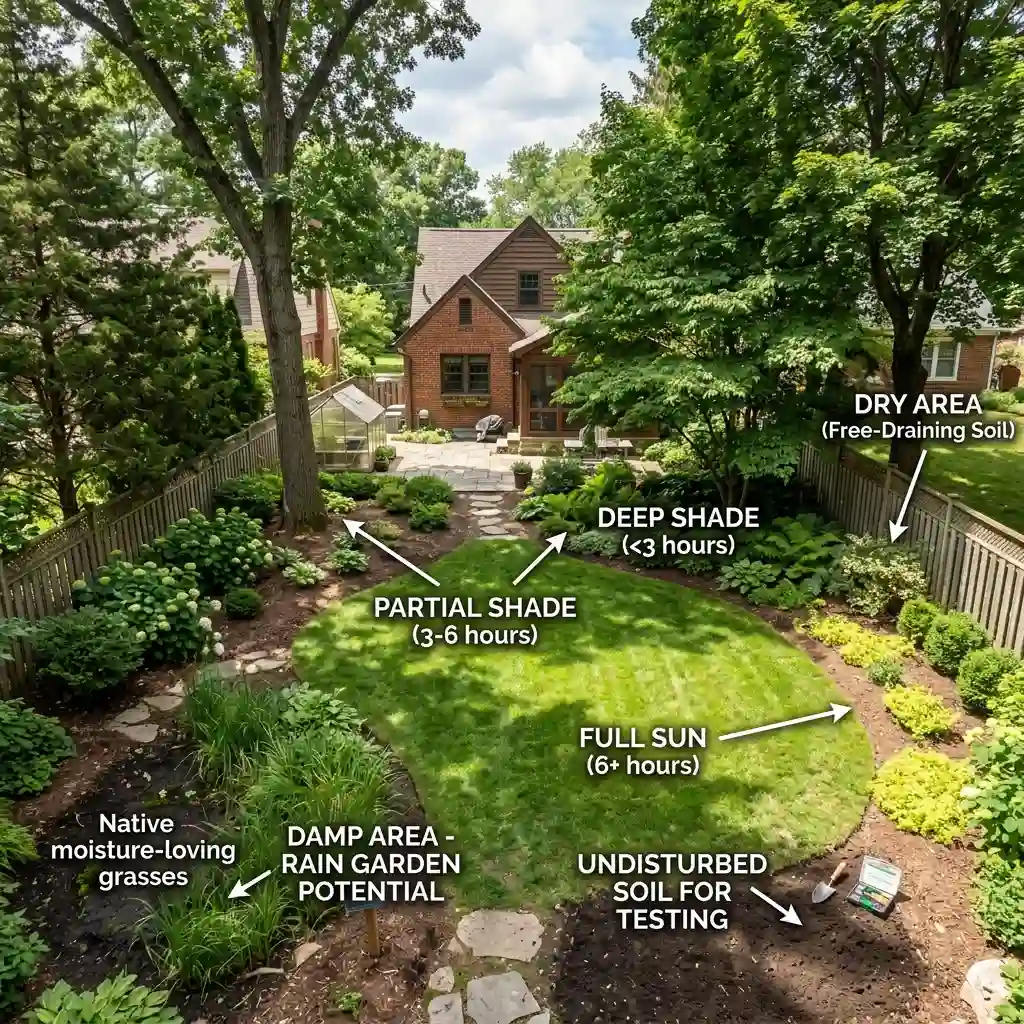
Plants often fail because they are placed in the wrong conditions. A sun-loving flower will struggle in deep shade. A plant that needs dry soil may rot in a low, wet area.
Start by watching your yard for a few days. Mark the spots that receive full sun, partial shade, or deep shade. Check these areas at different times because the light changes during the day.
Next, watch what happens during heavy rain. Note where water collects, where it flows, and which areas dry first. A wet corner could become a rain garden instead of another drainage problem.
You should also test your soil. A standard soil test can show its pH and nutrient levels. Some tests also report organic matter. Use the results before buying fertilizer or other soil products.
Keep healthy trees and shrubs when possible. Mature plants already provide shade, roots, structure, and wildlife cover.
Best for: Every yard
Cost: Free to low
Quick action: Map one problem area before changing it.
2. Choose Native Plants That Fit Your Conditions
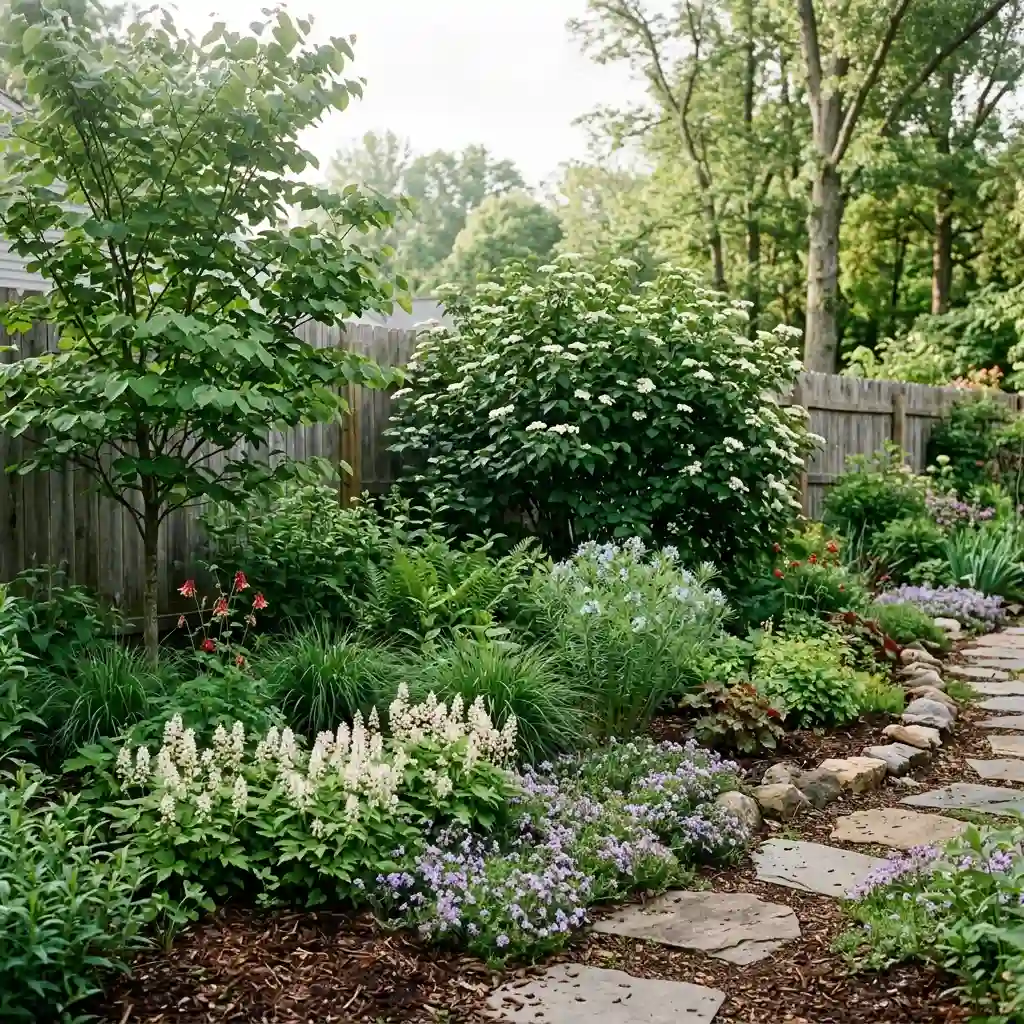
Native plants have adapted to the rainfall, seasons, and weather patterns of their region. Once established, well-placed native plants may need less water and care than plants from very different climates.
The word “native” does not guarantee success. You still need to match each plant to your yard. Check its light, soil, moisture, and space needs before buying it.
Choose plants by the job they need to do. You may need a flowering shrub for privacy, a groundcover for a slope, or a small tree for shade. This method creates a useful design instead of a random plant collection.
Plant several species rather than filling the yard with one type. More variety can reduce the risk of one pest or disease damaging the whole landscape.
Check each plant’s mature height and width. A small nursery plant can become much larger within a few years. Proper spacing reduces future pruning and removal work.
Best for: Saving water and supporting local wildlife
Cost: Low to moderate
Common mistake: Choosing a native plant that does not suit the site.
3. Replace Unused Grass With Useful Planting Beds
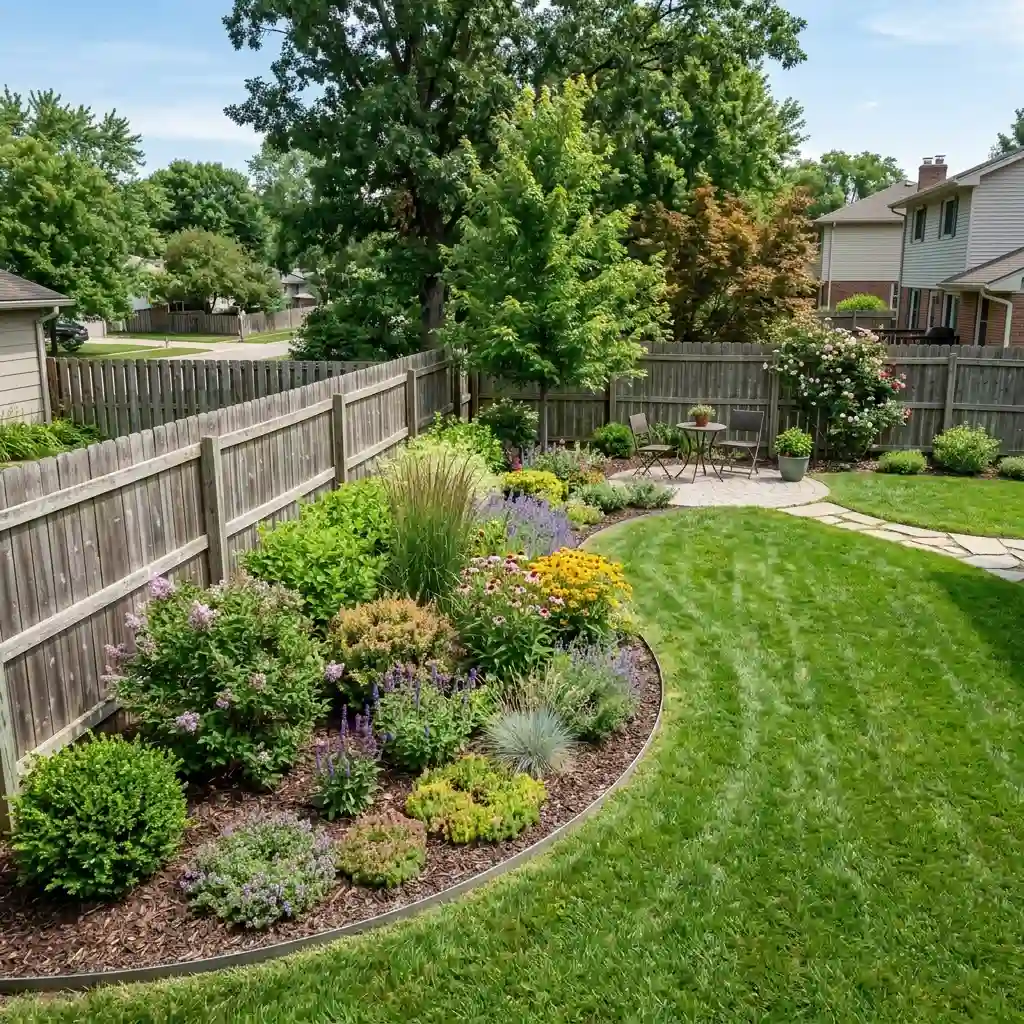
A lawn can make sense when you use it for play, pets, or outdoor activities. But grass in narrow strips, steep areas, and distant corners often creates work without serving a clear purpose.
Walk through your yard and mark the lawn you actually use. You may find that large sections are only there because they have always been grass.
Start with a small conversion. A 10-by-20-foot patch can become a mixed bed filled with shrubs, grasses, flowers, and groundcovers. You can also expand an existing border to remove awkward mowing areas.
Keep the new bed shape simple. Smooth edges are easier to mow around than small curves and sharp corners.
You do not have to remove the entire lawn. Keeping a smaller, useful grass area can be more practical than replacing everything. These lawn alternatives work best when they match how your family uses the yard.
Best for: Reducing mowing and irrigation
Cost: Low to moderate
Quick action: Convert the section that is hardest to mow.
4. Group Plants by How Much Water They Need
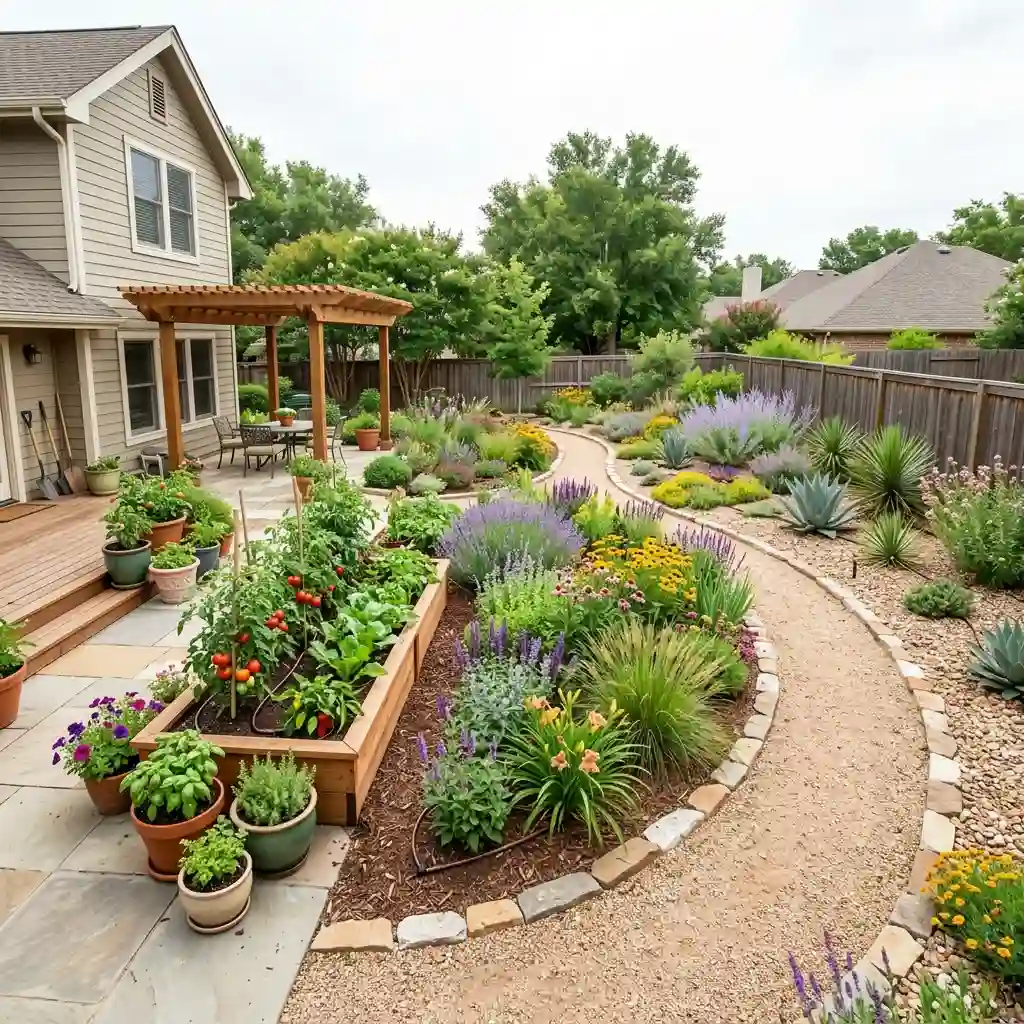
Water is often wasted because every plant receives the same irrigation. A drought-tolerant shrub does not need the same schedule as a vegetable bed.
Divide your yard into three simple water zones:
- High-water areas for vegetables, containers, and thirsty flowers
- Moderate-water areas for plants needing regular moisture
- Low-water areas for plants suited to dry conditions
Keep high-water plants close to the house or another easy water source. Place low-water plants in distant borders where regular watering would be inconvenient.
Do not mix plants with very different needs in the same irrigation zone. The drought-tolerant plants may receive too much water while the thirsty plants still receive too little.
Containers can hold a few water-loving favorites without changing the irrigation plan for a whole bed.
This form of water-wise landscaping is sometimes called hydrozoning. The name sounds technical, but the idea is simple: plants that drink alike should grow together.
Best for: Lowering outdoor water use
Cost: Free when planning a new bed
Quick action: Label your existing beds as high, moderate, or low water.
5. Use Drip Irrigation to Water Plant Roots
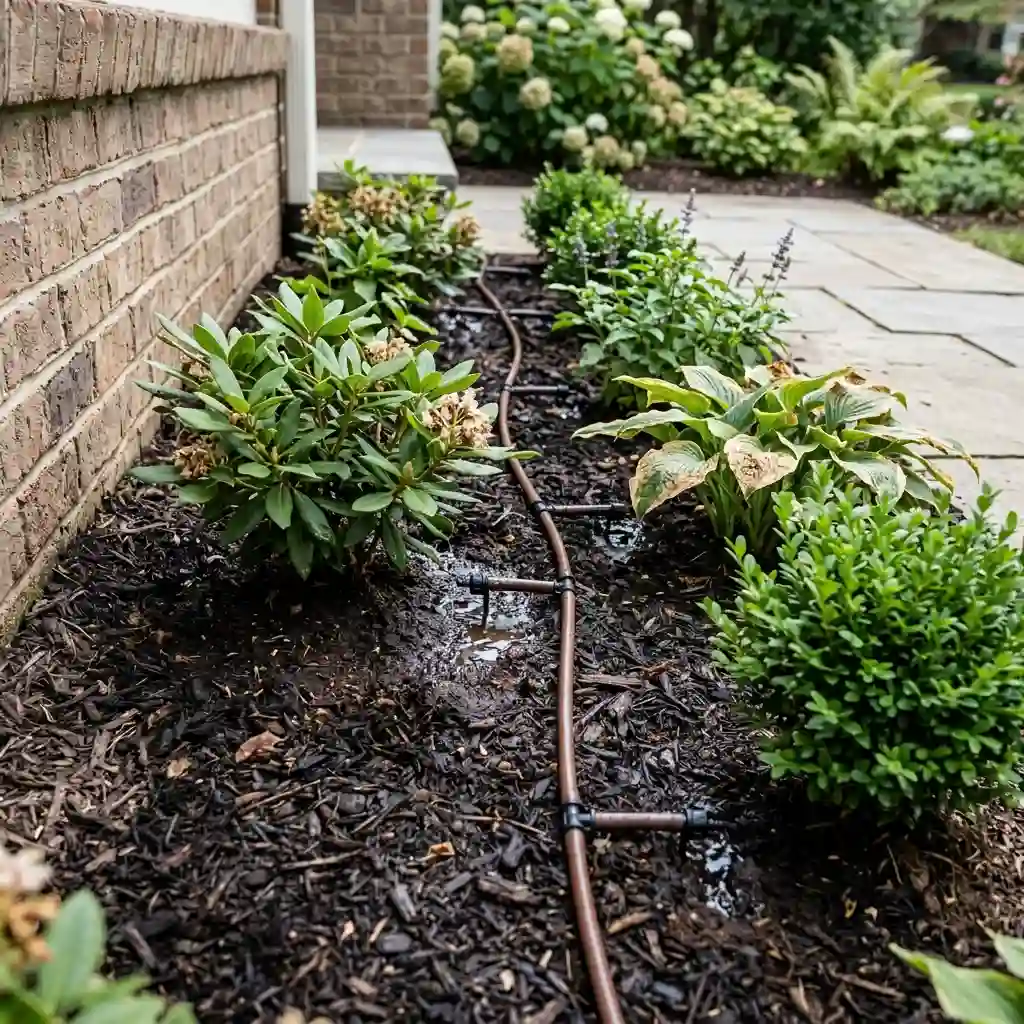
Sprinklers can send water onto pavement, walls, and plant leaves. Drip irrigation applies water close to the soil instead.
Drip lines work well in vegetable gardens, hedges, foundation beds, and rows of shrubs. They can reduce waste caused by wind and overspray. They also make it easier to water one planting zone without soaking another.
A drip system still needs regular checks. Emitters can clog, tubing can split, and animals may damage exposed lines. Run the system while you inspect it so you can see where water is flowing.
Change the watering schedule as the weather changes. Plants often need less irrigation during cool or rainy periods.
A smart controller may help if you have a larger system. EPA WaterSense-labeled products use at least 20% less water than average products in the same category while meeting performance standards. Check that the product is designed for landscape irrigation before buying it.
Best for: Beds with regular watering needs
Cost: Low to moderate
Common mistake: Running an efficient system for too many hours.
6. Store Rainwater for the Next Dry Spell
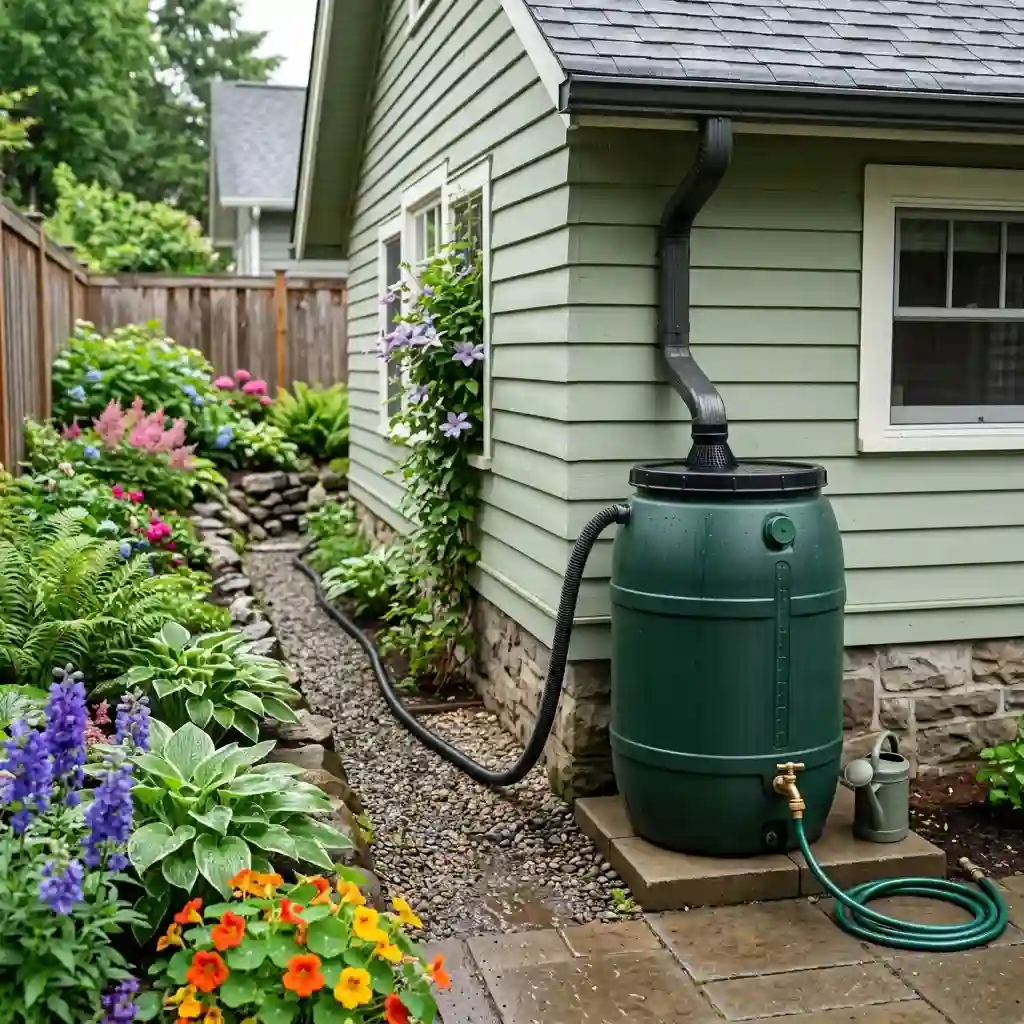
A rain barrel collects water from a roof downspout. You can use that water later on containers, flowers, or ornamental planting beds.
Place the barrel on a solid, level base. Water is heavy, so an unstable stand can tip or sink. Use a screened inlet to block leaves and help keep mosquitoes out.
Every barrel also needs an overflow route. Direct excess water away from the house foundation and neighboring property. A full barrel cannot hold more water during the next storm.
Check local rules before installing a collection system. Some areas have rules for barrel size, overflow, or mosquito control.
Roof runoff may contain dirt, animal waste, roofing residue, or other pollutants. Do not drink it. Avoid using untreated roof water to wash produce. Local guidance may also limit its use on edible crops.
Even a small barrel has limited capacity. Use the stored water between storms so there is room for the next rainfall.
Best for: Containers and small garden beds
Cost: Low to moderate
Quick action: Identify one safe downspout location.
7. Turn a Wet Corner Into a Rain Garden
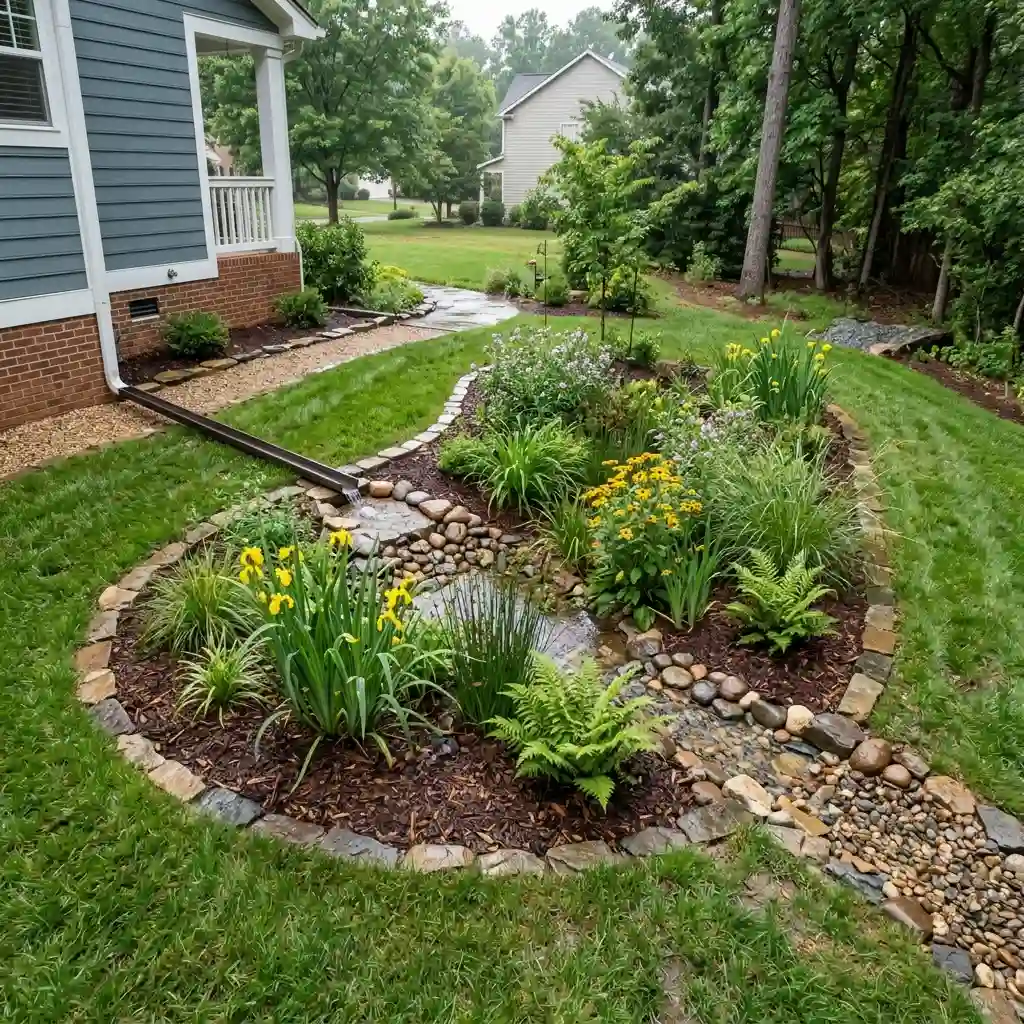
Water that runs across roofs, driveways, and patios can carry soil and other pollutants into storm drains. A rain garden slows some of this runoff and allows it to soak into the ground.
A rain garden is a shallow planted basin. It may receive water from a downspout extension or another safe runoff source. It is not meant to remain wet all the time.
Choose plants that can handle both short wet periods and dry weather. The best choices depend on your soil, rainfall, and region.
Test the soil’s drainage before digging. Water that stays for too long may point to a larger drainage issue. Keep the basin away from the foundation, septic system, underground utilities, and unstable slopes.
The garden also needs a safe overflow route for large storms. Water should not flow into a building or onto a neighboring property.
Ask your local extension office or stormwater department for sizing and setback advice. Site conditions can vary too much for one design to work everywhere.
Best for: Low areas and downspout runoff
Cost: Moderate
Safety tip: Get professional help for severe drainage problems.
8. Use Organic Mulch to Protect Bare Soil
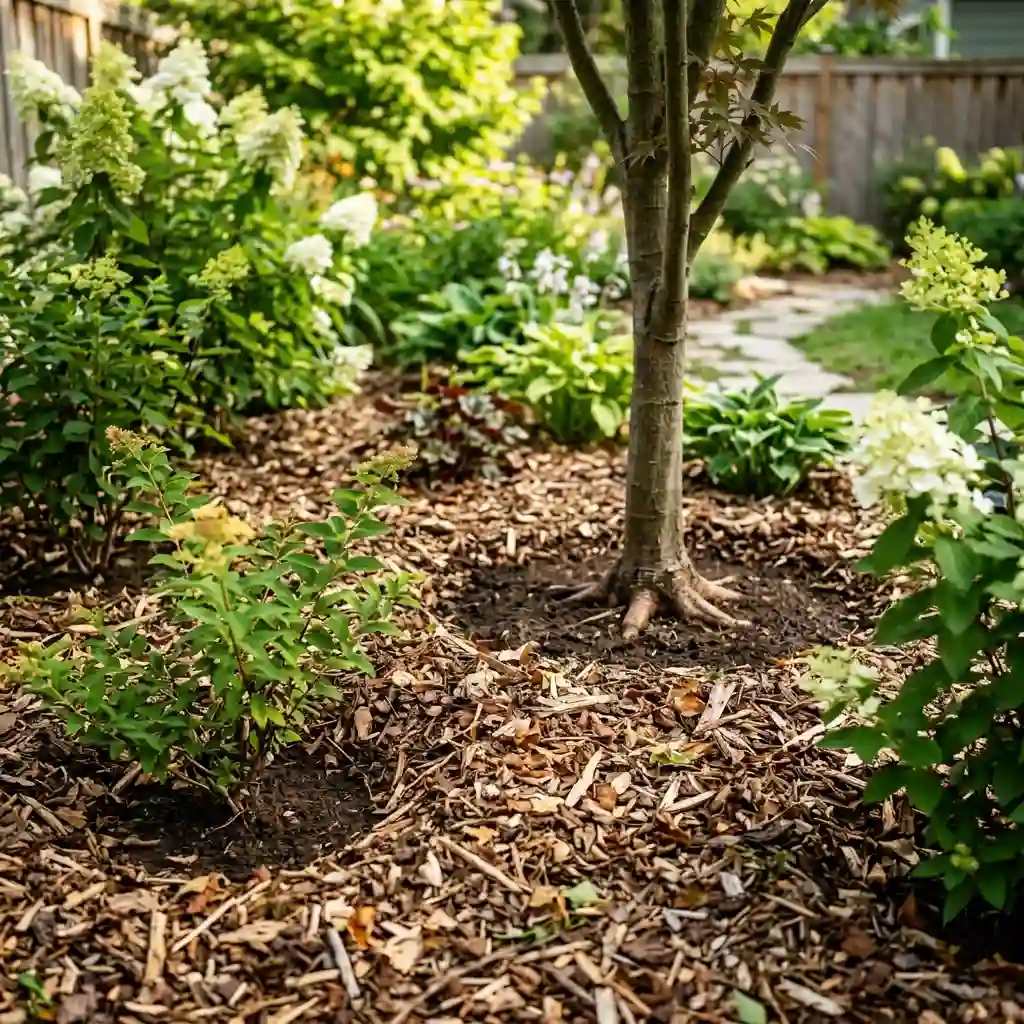
Bare soil dries quickly, grows weeds, and can wash away during heavy rain. Organic mulch creates a protective layer over it.
Useful materials include shredded leaves, arborist wood chips, bark, and clean straw. The right choice depends on the area. Wood chips suit paths and shrub beds, while clean straw may work better in a vegetable garden.
Apply an even layer, but do not assume that deeper is always better. Too much mulch can block air and hold excess moisture around plants.
Keep mulch several inches away from tree trunks and plant stems. Never pile it into a tall mound around a tree. This traps moisture against the bark and can hide decay or pests.
Shredded autumn leaves are a useful free option. They break down faster than many wood products, so you may need to refresh them more often.
As organic mulch breaks down, it adds material to the soil and helps reduce moisture loss.
Best for: Weed control and soil protection
Cost: Free to low
Quick action: Cover one bare bed before hot weather arrives.
9. Compost Leaves and Plant Trimmings at Home
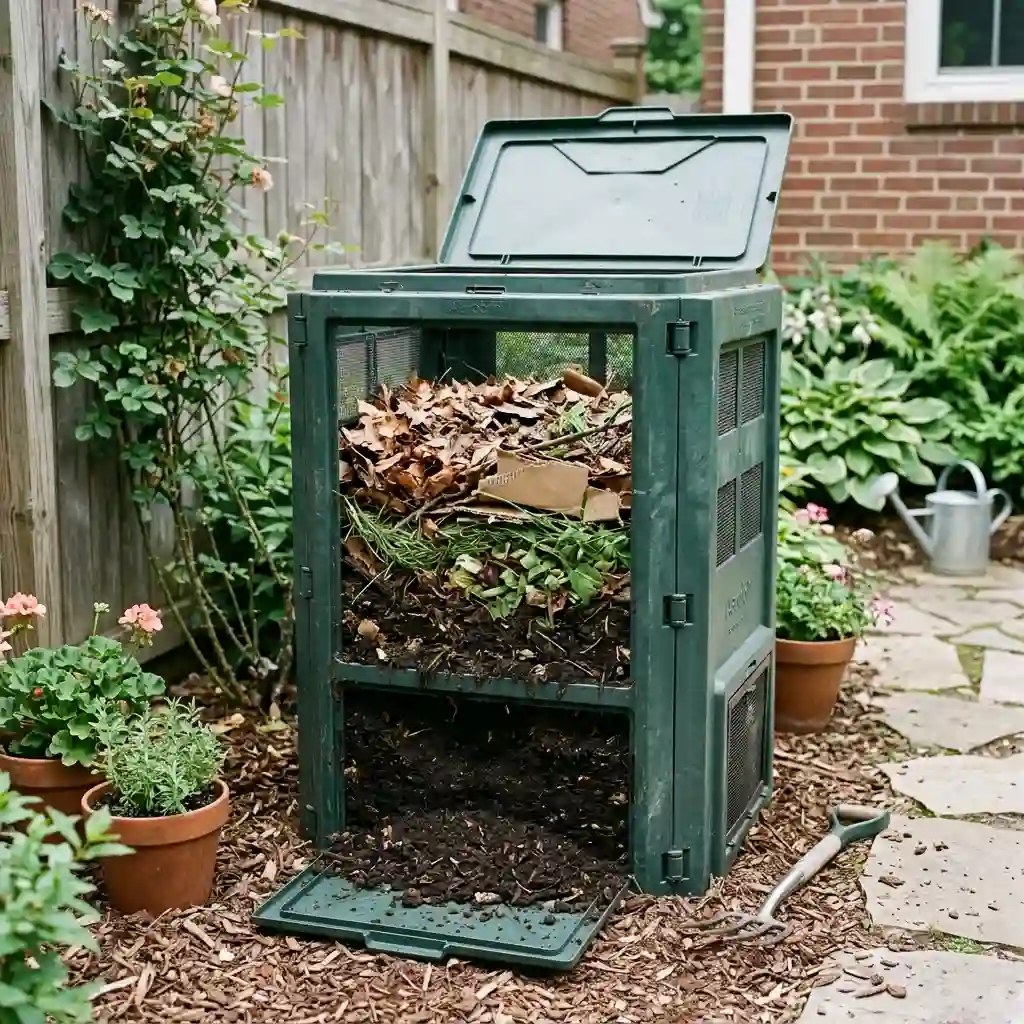
Leaves, grass clippings, and plant trimmings contain useful material. Composting keeps some of that yard waste on your property and turns it into a soil amendment.
A basic pile needs a mix of green and brown materials. Green materials include fresh grass and soft plant cuttings. Brown materials include dry leaves, small twigs, and plain cardboard.
Keep the pile slightly damp rather than soaked. Turn it from time to time if you want the material to break down faster.
Avoid adding diseased plants, invasive plants with seeds, pet waste, meat, or oily foods to a simple home pile. These materials may create health, pest, or weed problems.
When compost is dark and crumbly, spread a thin layer over your beds. More is not always better. A heavy layer can supply more nutrients than the plants need.
If your yard is small, try a compact enclosed bin or tumbler. It keeps the pile neat and can discourage animals.
Best for: Reducing yard waste
Cost: Free to low
Common mistake: Adding too many wet grass clippings at once.
10. Improve Your Soil Without Digging It Repeatedly
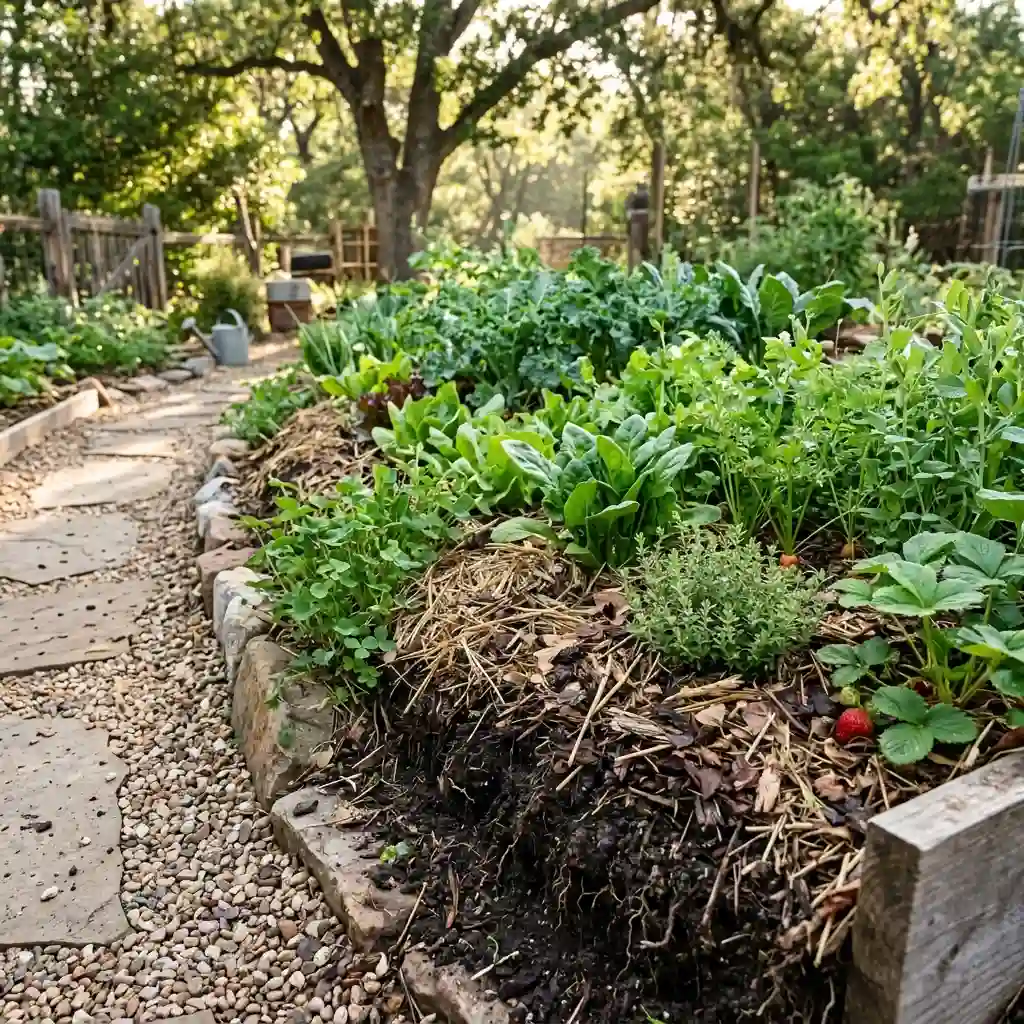
Frequent tilling can break soil structure and bring buried weed seeds to the surface. It may also leave the ground loose and open to erosion.
In established beds, spread finished compost on the surface when it is needed. Soil organisms and water will slowly move some of that material deeper.
Keep the soil covered with plants or mulch. Living roots help hold soil in place, while mulch limits drying and erosion.
Create permanent paths through larger beds. Walking on the same routes protects nearby growing areas from compaction. This matters because compacted soil holds less air and can block root growth.
Do not add fertilizer simply because plants look weak. Poor drainage, limited light, root damage, or the wrong soil pH can cause similar symptoms. A soil test gives you better information.
Healthy soil practices are often simple. Disturb the ground only when there is a clear reason, and add products only when the soil or plants need them.
Best for: Established garden beds
Cost: Free to low
Quick action: Stop walking through planted areas.
11. Let Rain Soak Through Paths and Patios
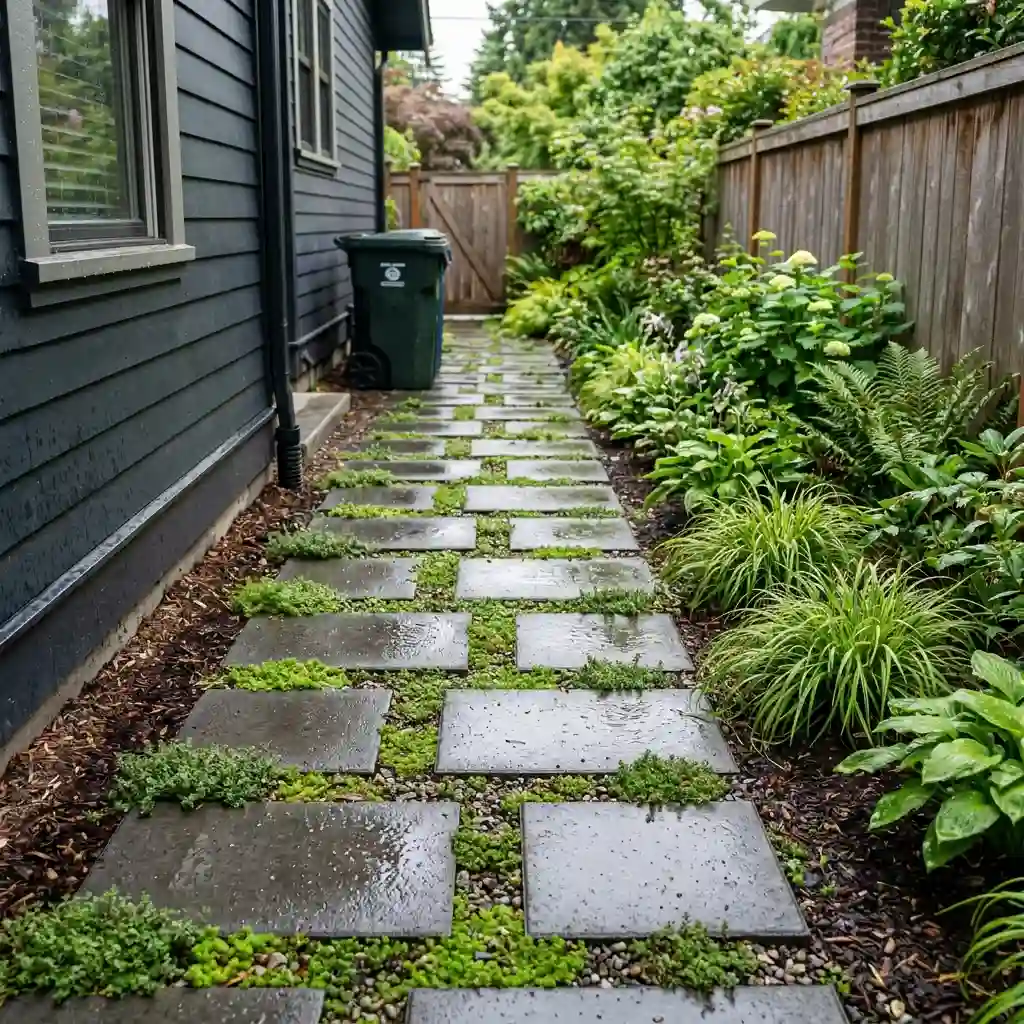
Solid concrete can send rainwater across the property instead of allowing it to enter the soil. Permeable surfaces provide small openings where some water can pass through.
Options include gravel, spaced stones, permeable pavers, and wood chips. Each material has limits. Gravel may move on a steep slope, while wood chips need regular replacement.
The base under the surface matters as much as the top layer. Poor preparation can lead to sinking, weeds, or standing water. Use a base designed for the soil and expected traffic.
You could replace a solid side-yard path with spaced pavers and low plants between them. Another option is a compacted gravel path that drains into a planted bed.
Think about accessibility before choosing loose material. Wheelchairs, walkers, strollers, and rolling bins need a firm and stable surface.
Permeable landscaping can manage light runoff, but it cannot fix every drainage problem. Large patios or difficult soil may need professional design.
Best for: Walkways, seating areas, and side yards
Cost: Low to high
Common mistake: Ignoring the base below the finished surface.
12. Reuse Good Materials Already in Your Yard
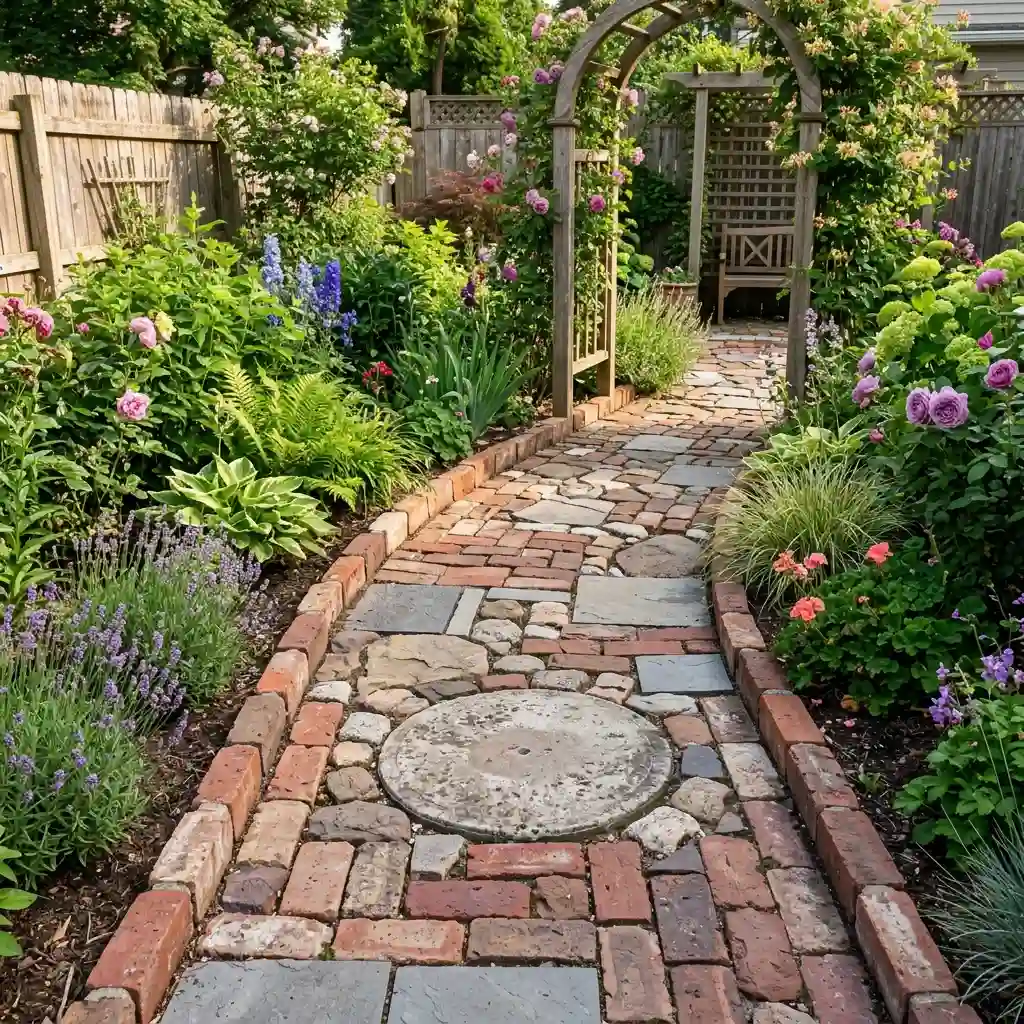
New landscaping materials require money, transport, and raw resources. Before ordering anything, check what you already have.
Sound bricks, stones, and pavers can become paths, bed edges, or a small seating pad. An old concrete stepping stone can still work even if its color has faded.
You can also design around existing structures. A mature hedge may provide the privacy you need. Healthy trees may supply more shade than a new pergola.
Be careful with old wood and painted materials. Do not place wood with an unknown treatment history near edible plants. Avoid materials that contain peeling paint, sharp edges, oil, or other contamination.
Local reclaimed materials can be useful, but they must be safe and strong enough for the job. A reused product that fails after one season creates more work and waste.
Measure the area before gathering supplies. Accurate quantities help you avoid excess materials and piles of unused offcuts.
Best for: Budget-friendly projects
Cost: Free to low
Quick action: List reusable materials before shopping.
13. Feed Pollinators From Spring Through Fall
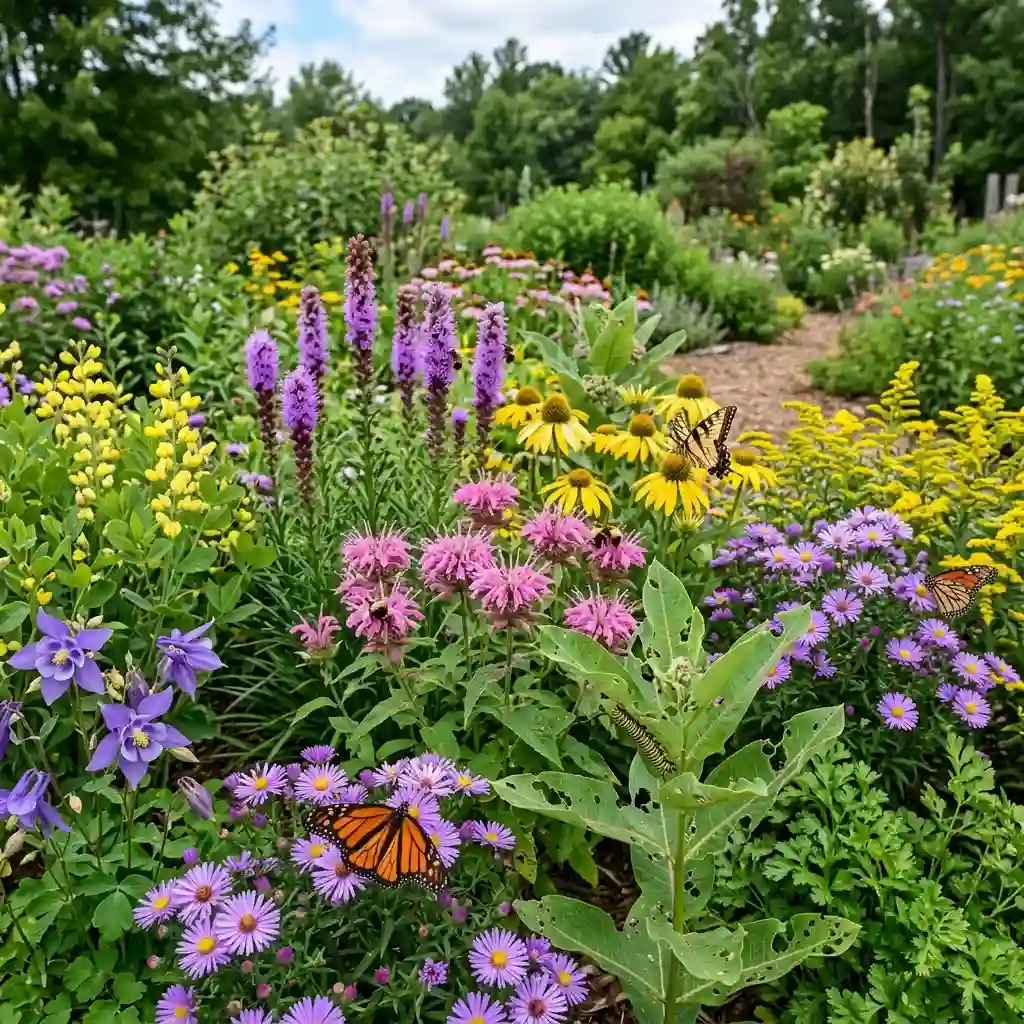
A garden that flowers for two weeks may look lovely, but it provides food for a short time. Pollinators benefit from blooms spread across the growing season.
Choose early, middle, and late-season flowering plants. Local native plant groups or extension offices can help you find options for your region.
Plant several flowers of the same type together. A clear group is often easier for bees and butterflies to find than single plants scattered across a large yard.
Use a mix of flower shapes and heights. Different insects feed in different ways, so variety can support more species.
Remember that butterflies and moths need more than nectar. Their caterpillars need host plants for food. These plants may show some leaf damage, which is a sign that the habitat is being used.
Avoid applying broad-spectrum pesticides to blooming plants. If treatment is needed, identify the exact pest and choose the least disruptive method.
Best for: Supporting bees, butterflies, and other insects
Cost: Low to moderate
Quick action: Fill one gap in your seasonal bloom calendar.
14. Create a Safer Habitat for Backyard Wildlife
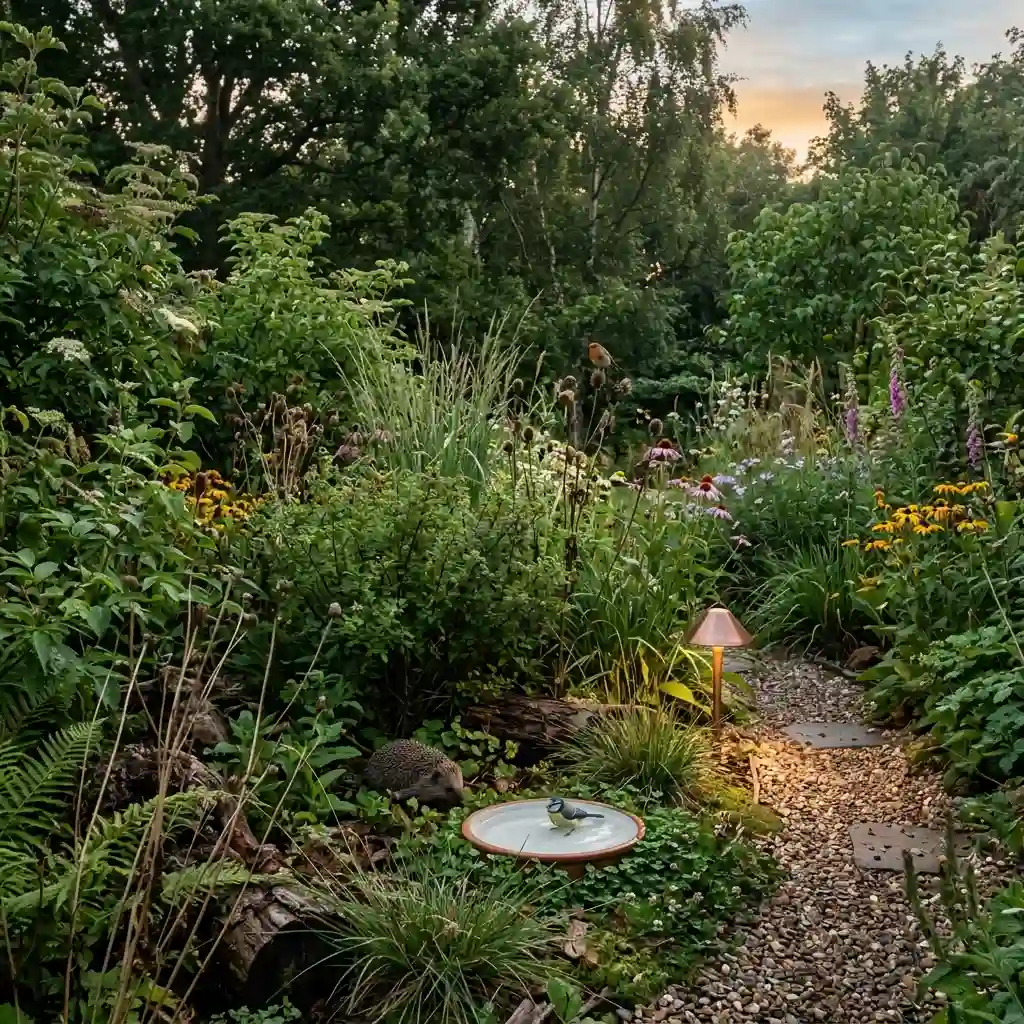
A bird feeder alone does not create a complete habitat. Wildlife also needs water, shelter, nesting places, and protection from hazards.
Build layers with trees, shrubs, grasses, flowers, and low groundcovers. These layers offer different feeding and hiding spaces.
Add a shallow water dish if you can clean it often. Replace the water regularly and scrub the container to limit algae and mosquito growth.
Leave some seed heads standing after flowers fade. Birds may eat the seeds during cooler months. Hollow plant stems can also provide shelter for certain insects. Cut them back later in spring rather than clearing every bed in fall.
Reduce outdoor lighting when it is not needed. Use timers, motion sensors, and shielded fixtures to keep light focused on paths and doors.
Place feeders and water sources away from busy roads and other clear hazards. Keep cats indoors or in enclosed outdoor spaces.
Best for: Birds, insects, and small wildlife
Cost: Free to moderate
Common mistake: Making the yard tidy at the cost of all shelter.
15. Place Trees Where Their Shade Will Help Most
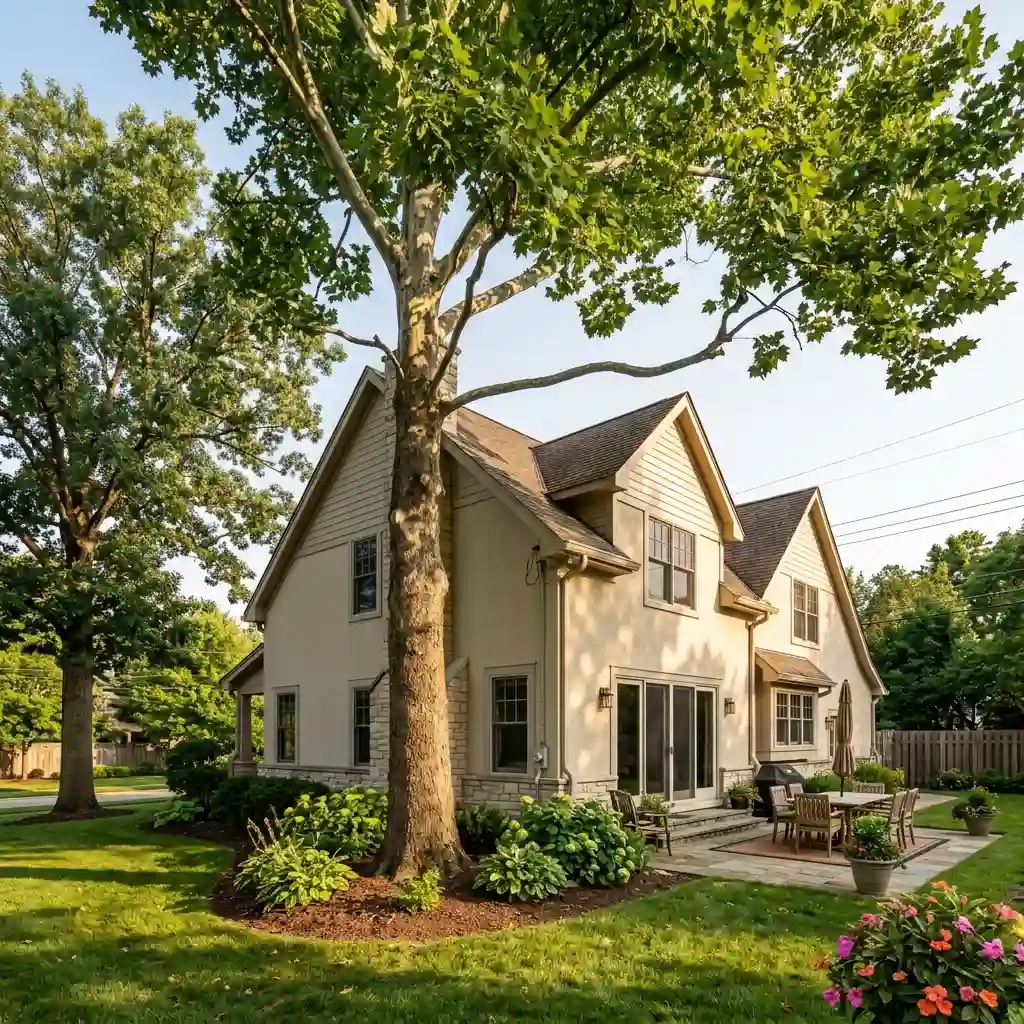
A well-placed tree can shade windows, walls, patios, and hard surfaces. This can make outdoor areas more comfortable and may reduce heat entering the home.
The U.S. Department of Energy recommends using trees, shrubs, and vines as part of climate-based landscaping for lower heating and cooling needs. The best placement depends on your climate and the direction your home faces.
In many warm climates, shade on western walls can help during hot afternoons. Deciduous trees may block summer sun while allowing some winter light after their leaves fall. Evergreen trees can provide year-round screening or wind protection.
Check the tree’s mature canopy, root space, and height. Keep it clear of overhead wires, roofs, underground utilities, and paved areas that roots may damage.
Preserve healthy mature trees when possible. A large existing tree provides benefits that a small replacement may take many years to match.
Ask a qualified arborist for help with large trees or difficult planting sites.
Best for: Shade and energy savings
Cost: Moderate to high
Quick action: Identify the hottest wall or patio in your yard.
16. Mix Useful Food Plants Into Decorative Beds
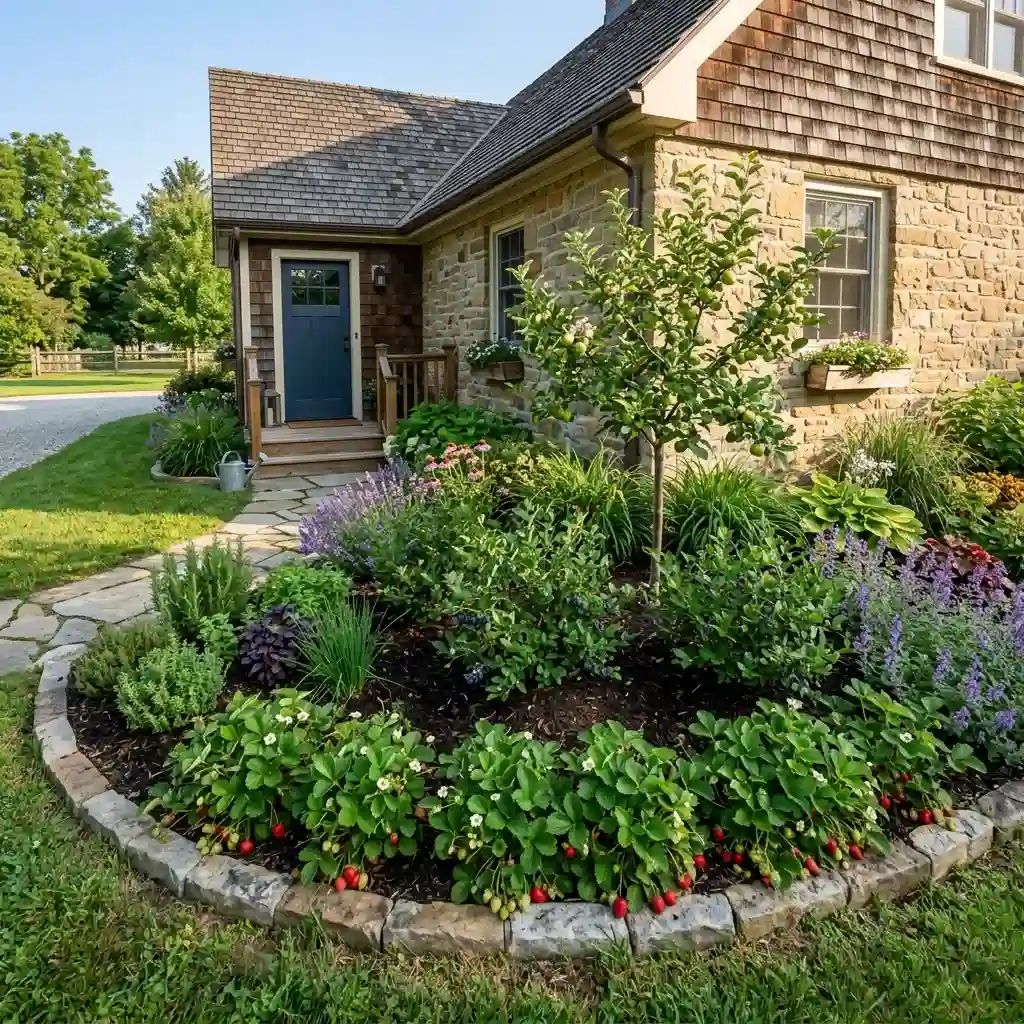
A productive garden does not have to look like a row of farm crops. Many edible plants can add color, scent, texture, and structure to ornamental beds.
Herbs can work well near paths or sunny doors. Strawberries may serve as a low border. Blueberries can form attractive shrubs where the soil conditions suit them. Small fruit trees can provide flowers, shade, and food.
Place plants you harvest often close to the house. You are more likely to use herbs or vegetables when they are easy to reach.
Check each plant’s mature size and seasonal appearance. Some edible plants lose their leaves, need supports, or look bare after harvest.
Use containers when the existing soil may be contaminated. This is especially important near old painted buildings, treated wood, busy roads, or unknown fill soil.
Keep edible plants away from unsafe runoff. Water flowing from driveways, treated roofs, or contaminated areas should not enter food beds.
Best for: Small yards and sunny foundation beds
Cost: Low to moderate
Quick action: Replace one ornamental plant with a useful edible.
17. Treat Pests Only After You Identify Them
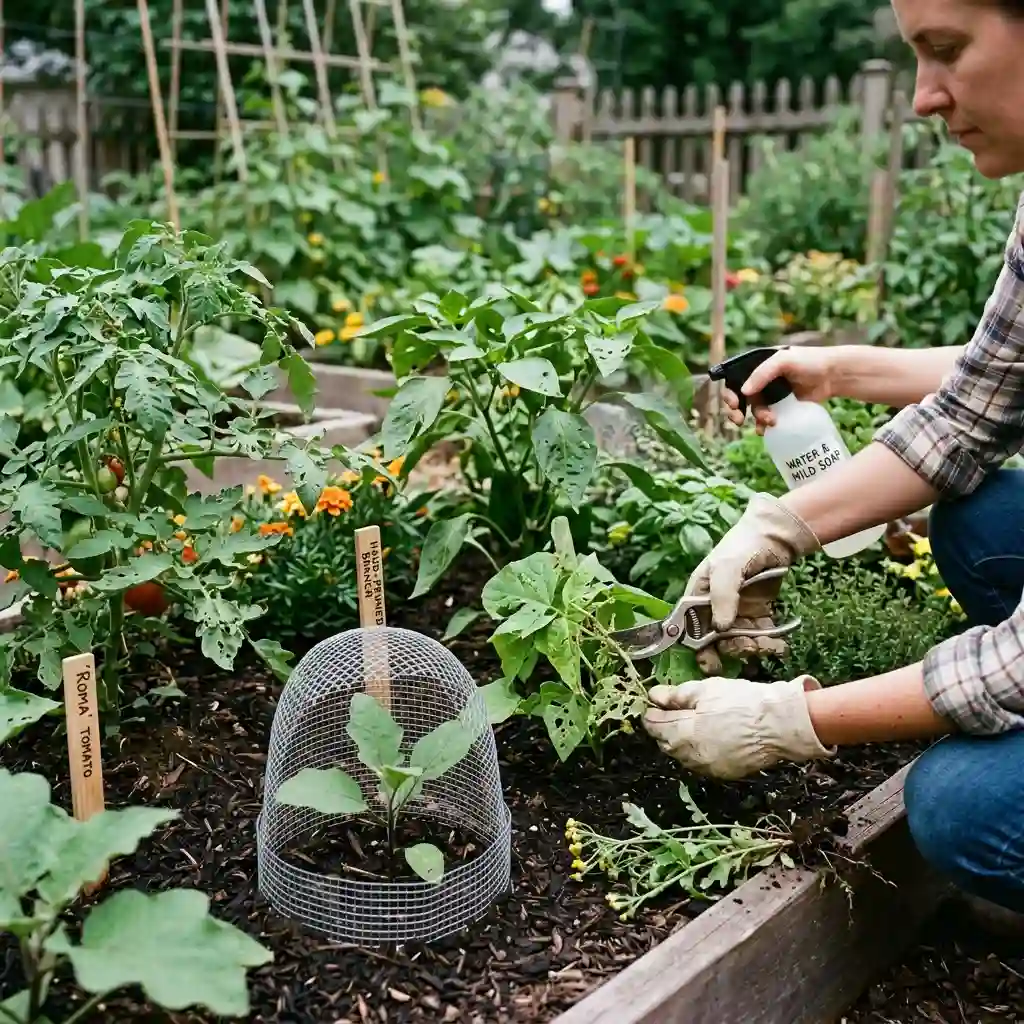
A damaged leaf does not always mean that you need a pesticide. Wind, heat, poor watering, disease, and nutrient problems can create similar signs.
Use this five-step process:
- Identify the pest or problem.
- Watch whether the damage is spreading.
- Fix the conditions helping it grow.
- Use the least harmful control that works.
- Check the results before treating again.
Start with simple options. Remove weeds by hand before they produce seeds. Prune a badly affected branch. Use a barrier around young plants. A firm spray of water can remove some soft-bodied insects.
Choose plants that resist common local pests. Give them enough light, air, water, and space. Healthy plants often cope with minor damage better than stressed ones.
Accept a few imperfect leaves. A yard that supports insects will not look untouched.
If you need a product, choose one made for the exact problem. Follow its label and avoid treating flowers while pollinators are active.
Best for: Reducing chemical use
Cost: Free to low
Common mistake: Treating before identifying the cause.
18. Make Routine Yard Care Cleaner and Simpler
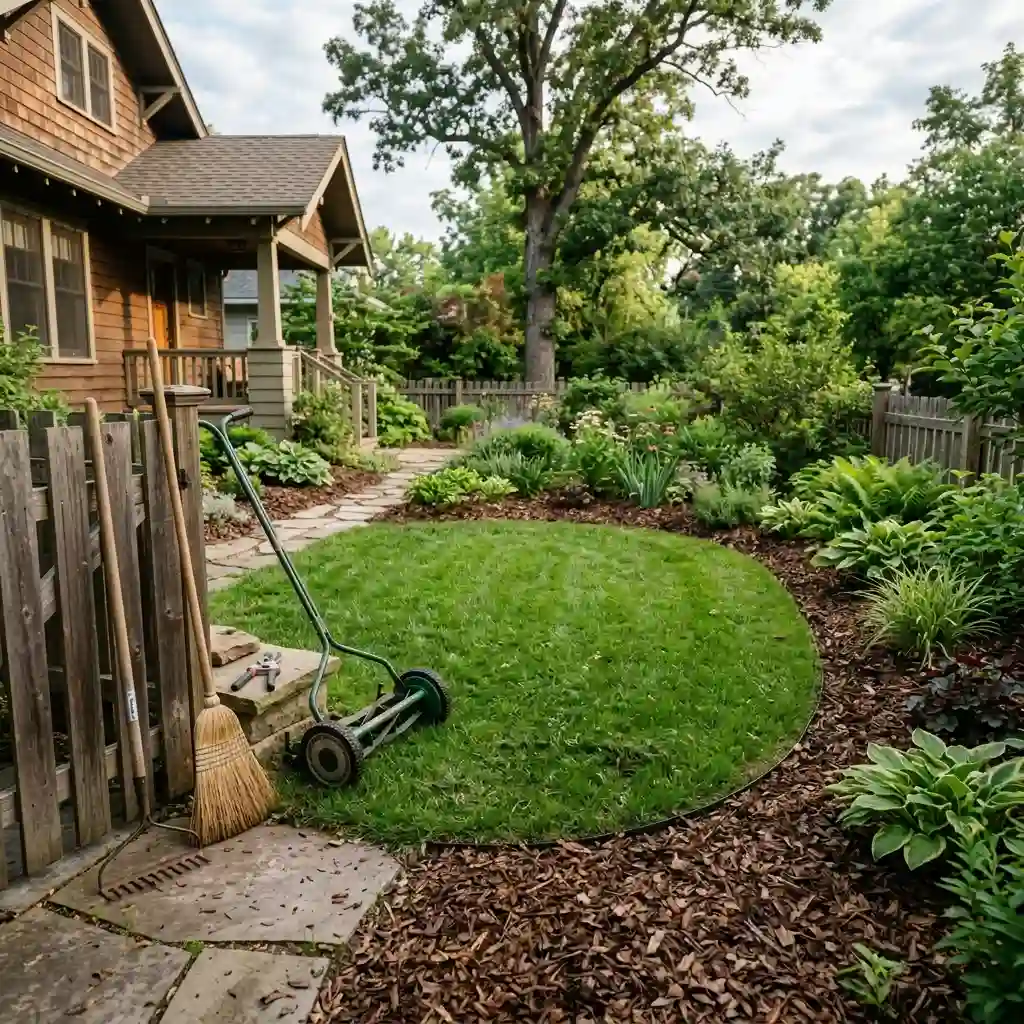
The design of your yard affects how much work it creates. A sustainable garden maintenance plan should save resources without becoming too difficult to follow.
Use hand tools for small jobs when they are practical. A rake, broom, hand pruner, or reel mower may be enough for a compact space.
When an old gas tool needs replacement, consider an electric model. Compare battery life, repair options, power, and the size of your yard before buying. Electric equipment is quieter, but it may not suit every large or demanding job.
Mow only the grass that serves a purpose. Leave suitable grass clippings on the lawn so they can break down. Chopped leaves can also remain on grass or become mulch in garden beds.
Track three things each season: water use, maintenance time, and plant losses. This record shows whether your changes are working.
The best sustainable design is one you can care for year after year.
Best for: Every yard
Cost: Free unless equipment needs replacement
Quick action: Stop one task that provides no clear benefit.
Start With Two Changes This Season
You do not need to complete all 18 sustainable landscaping ideas at once. Start with one change that saves water and one that supports wildlife.
You might replace an unused piece of lawn and plant native flowers. You could add drip irrigation and leave seed heads standing through winter. Even covering bare soil with leaves can reduce weeds, protect moisture, and reuse material already in your yard.
Watch how each change performs before expanding it. Your climate, soil, budget, and daily routine should guide your decisions.
Start with the area that causes the most work or waste. Measure the result, then apply what worked elsewhere. This steady approach will help you create a low-maintenance sustainable landscape that remains useful, attractive, and realistic to care for.