
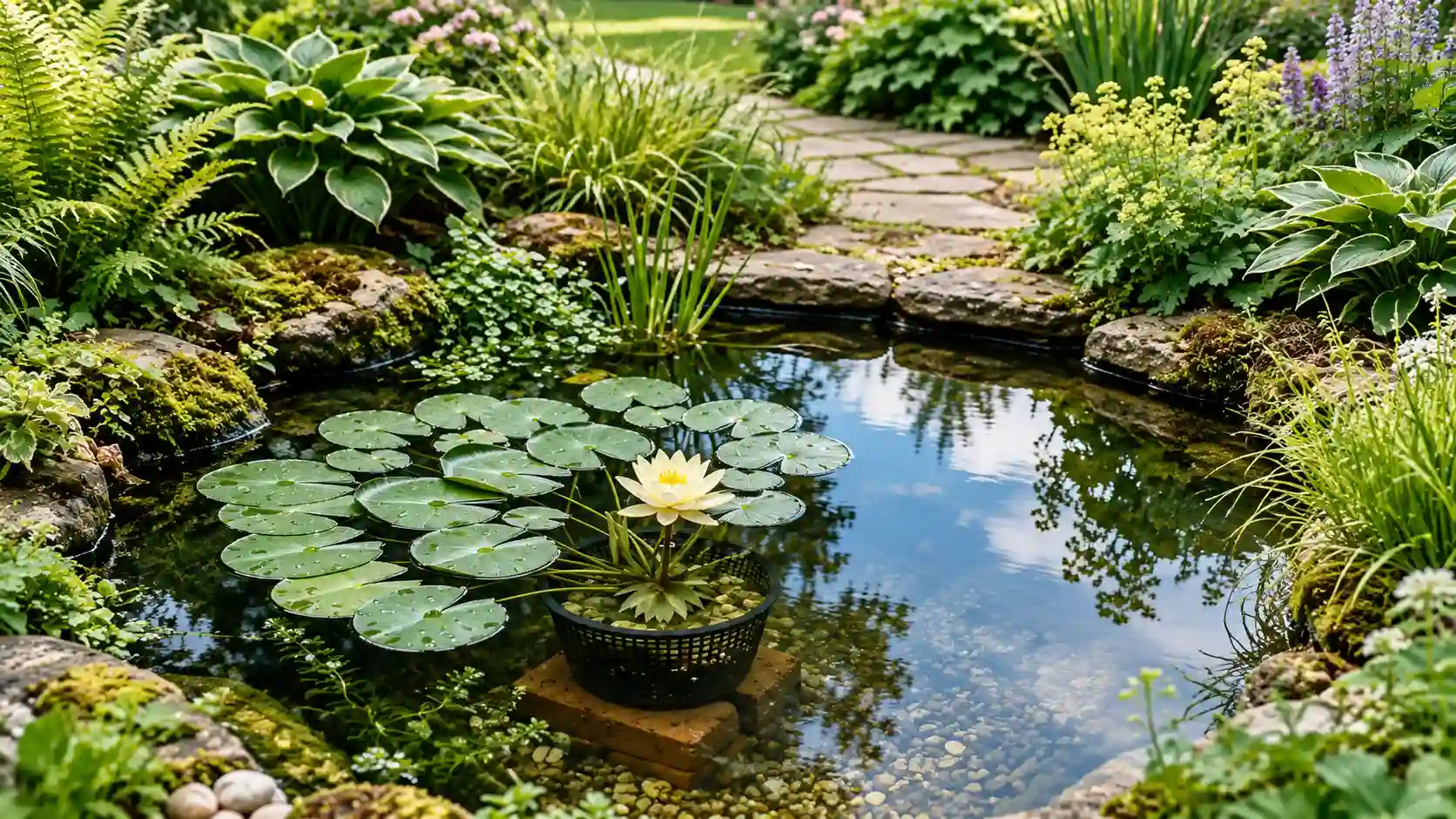
You do not need a large lawn to enjoy the reflections and gentle sound of a backyard pond. A small water feature can fit beside a patio, along a fence, or inside an unused corner.
Still, small yards leave little room for mistakes. You may worry about digging, mosquitoes, child safety, algae, or the cost of a pump and liner. You also need enough room to reach the water for cleaning.
These small backyard pond ideas include portable containers, wildlife ponds, waterfalls, and formal pools. Some work well for renters. Others can become permanent parts of your landscape.
You will learn how to match a pond with your available space, budget, and maintenance plans. You will also see ways to add plants, moving water, stones, lighting, and nearby seating. These backyard pond designs range from a simple ceramic pot to a raised timber pond.
Start with the small garden pond ideas that match how you want to use your yard.
Plan a Small Backyard Pond That Fits Your Space
Decide what you want to see or hear when you enter your yard. This choice will help you select the right size, location, and equipment.
A still pond creates clear reflections. A fountain adds sound and movement. A wildlife pond needs shallow access, while a fish pond may need more depth, water volume, oxygen, and filtration.
Mark the proposed shape with a garden hose or rope. A 3-by-5-foot pond can make a strong focal point without taking over a small yard. Keep enough space around it for walking, cleaning, and plant care.
Study the location for several days. Check the amount of sun, nearby trees, drainage, and access to electricity. Six or more hours of strong sun can increase algae growth, though the needs of aquatic plants vary.
Before digging, contact the utility-marking service in your country. In the United States, 811 provides a free utility-marking service and advises homeowners to request markings before any digging project.
You should also check local rules for pond depth, fencing, drainage, and child safety.
Choose the Pond’s Main Purpose
Ask these five questions:
- Do you want still water or moving water?
- Will the pond support plants, wildlife, or fish?
- How much weekly care can you provide?
- Can children or pets enter the area?
- Do you want a portable or permanent pond?
A fish pond usually needs more care than a plant pond. If you want a simple start, choose a container with aquatic plants and a small fountain.
Easy Small Backyard Pond Ideas for Tight Spaces
Containers and raised basins let you add water without giving up much garden space. They also reduce or remove the need for deep excavation.
1. Use a Half-Barrel Container Pond
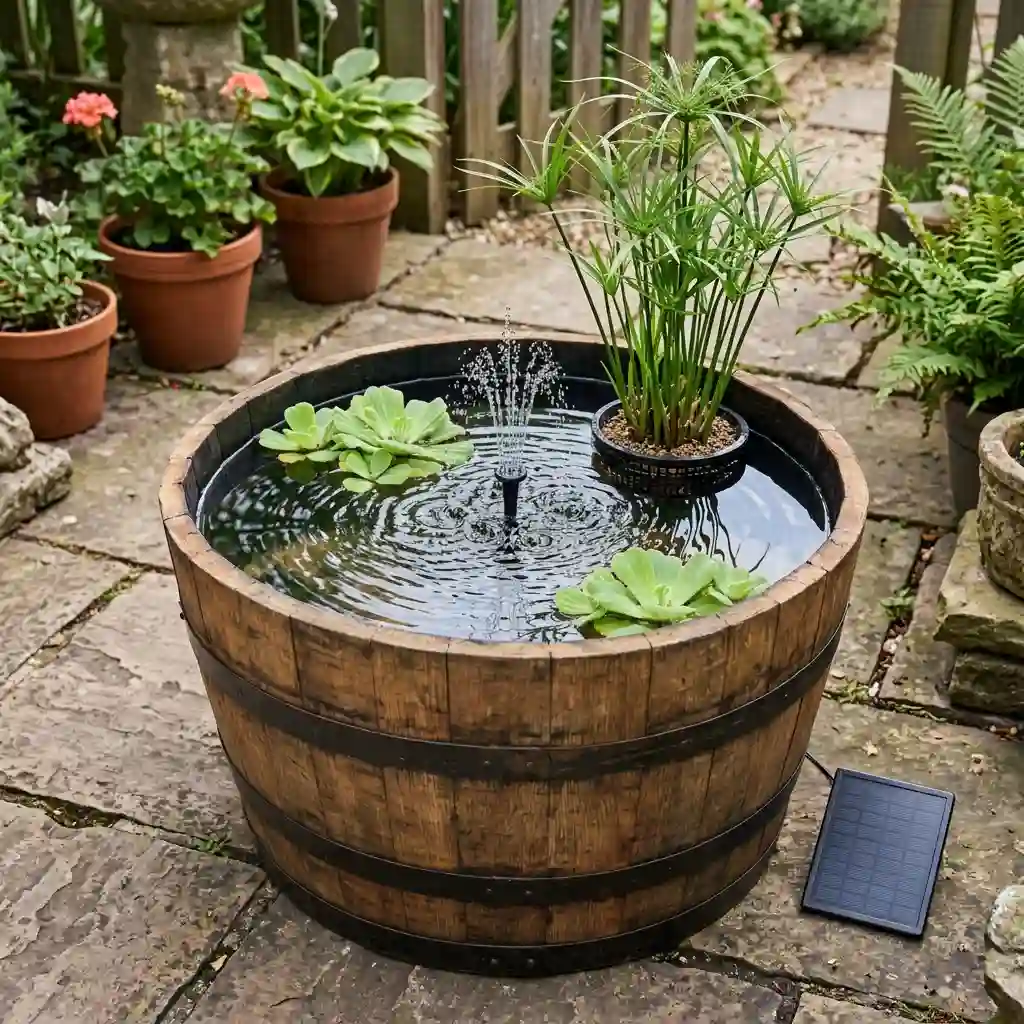
A half-barrel pond gives you a classic garden feature in a very small footprint. Place a watertight liner inside the barrel if you are unsure whether the wood will hold water safely.
Add submerged bricks to support planting baskets at different heights. You can use one upright plant, a compact floating plant, and a small solar fountain.
Best for: Renters, patios, and first-time pond owners
Space needed: About 2 to 3 feet across
Difficulty: Easy
Watch out for: Water temperatures can change quickly in a small container.
A barrel pond may be portable once empty. However, it becomes very heavy when filled. One US gallon of water weighs about 8.34 pounds, so even 40 gallons weighs more than 330 pounds before adding the barrel, stones, and plants.
2. Turn a Large Ceramic Pot Into a Pond
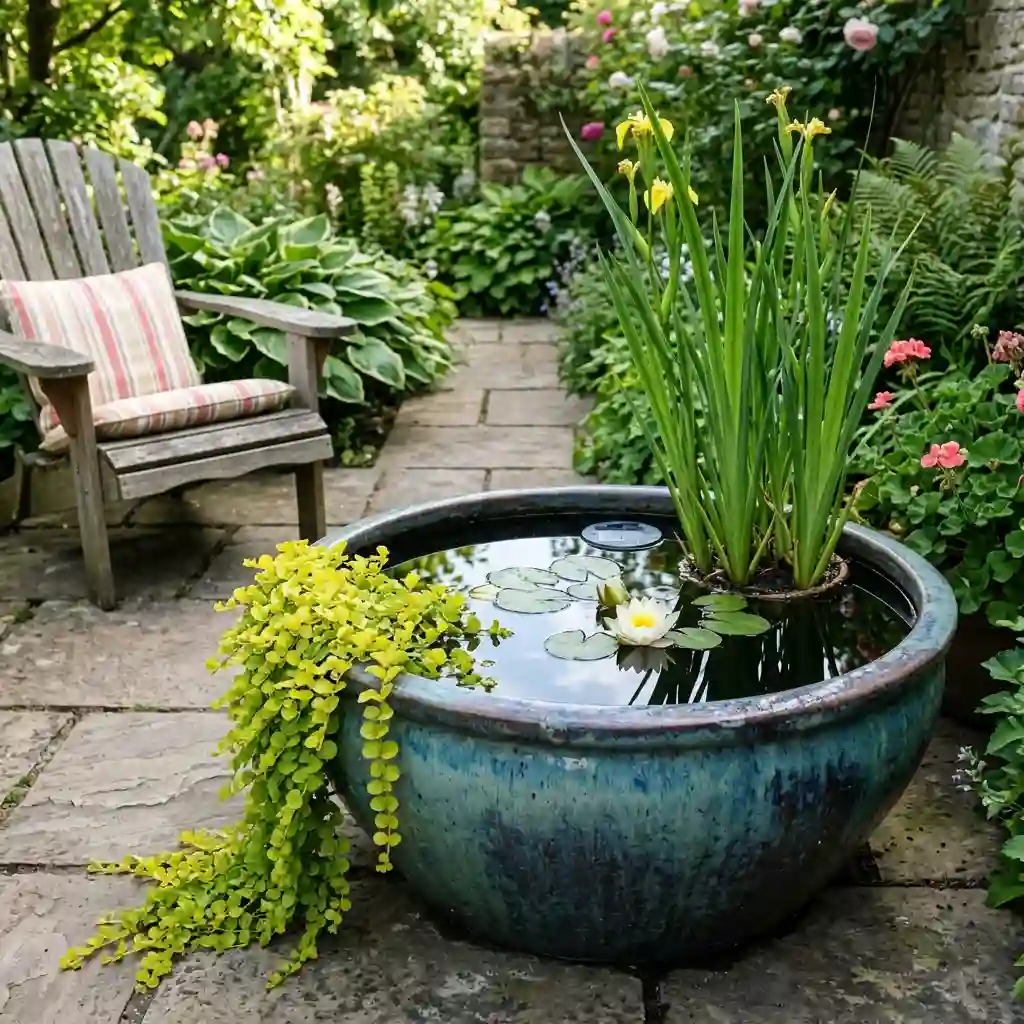
A wide ceramic pot can become a pond without making your patio feel crowded. Choose a frost-resistant pot without drainage holes, or close the holes with a pond-safe seal.
A dark interior improves reflections and helps hide plant baskets. Keep the design simple with one tall plant, one floating plant, and one plant that falls over the rim.
Best for: Small patios, balconies, and seating areas
Space needed: About 18 to 30 inches across
Difficulty: Easy
Watch out for: Many decorative pots crack during freezing weather.
Place the pot where you can see it from a chair. Do not put it where people may trip over a pump cable.
3. Install a Preformed Pond Basin
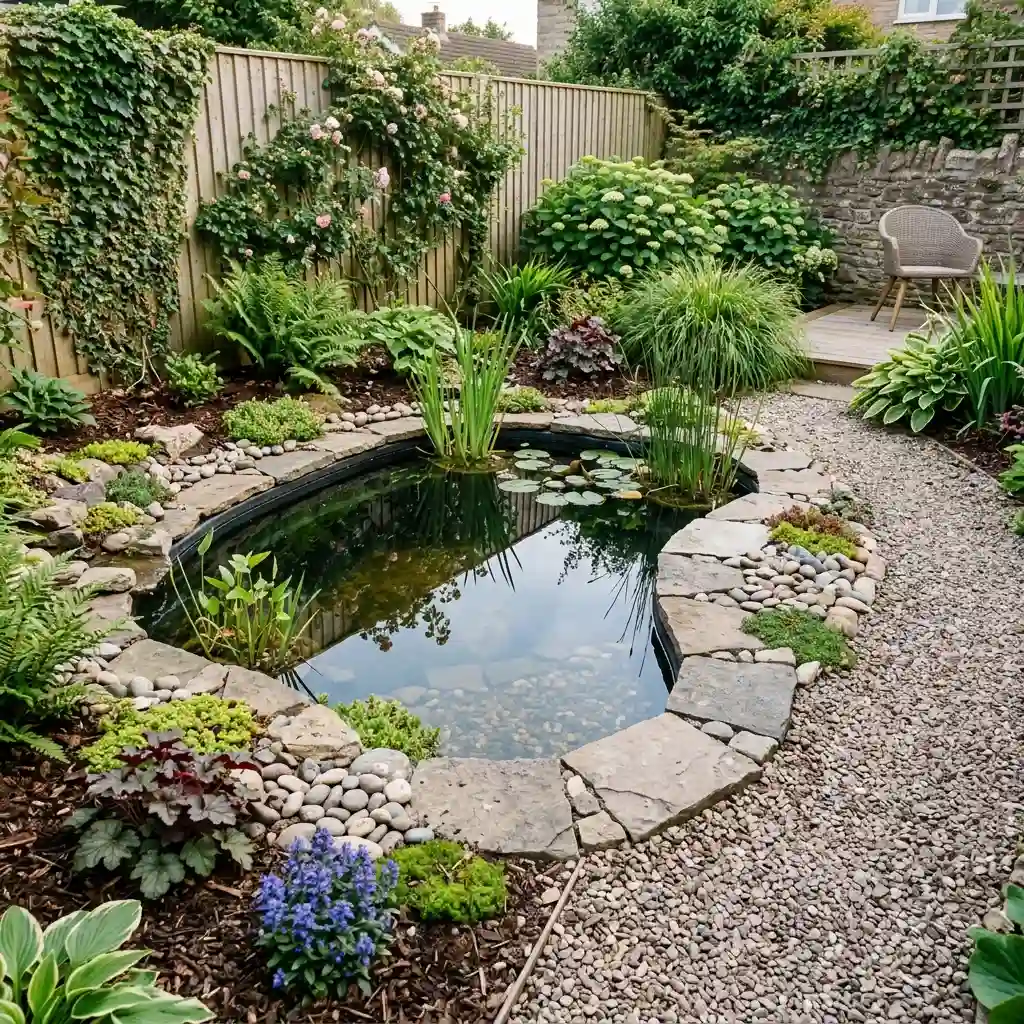
A rigid pond shell gives you a fixed shape and depth. This removes some of the guesswork that comes with fitting a flexible liner.
Set the empty shell on firm, level ground. Check it with a spirit level from several directions. Add support evenly around the sides as you fill the basin so it does not move or tilt.
Best for: Homeowners building their first permanent pond
Space needed: Small to medium
Difficulty: Moderate
Watch out for: Poor leveling can leave part of the rim exposed.
Hide the finished edge with flat stones, gravel, or low plants. Avoid loose rocks that could slide into the water.
4. Build a Narrow Pond Along a Fence
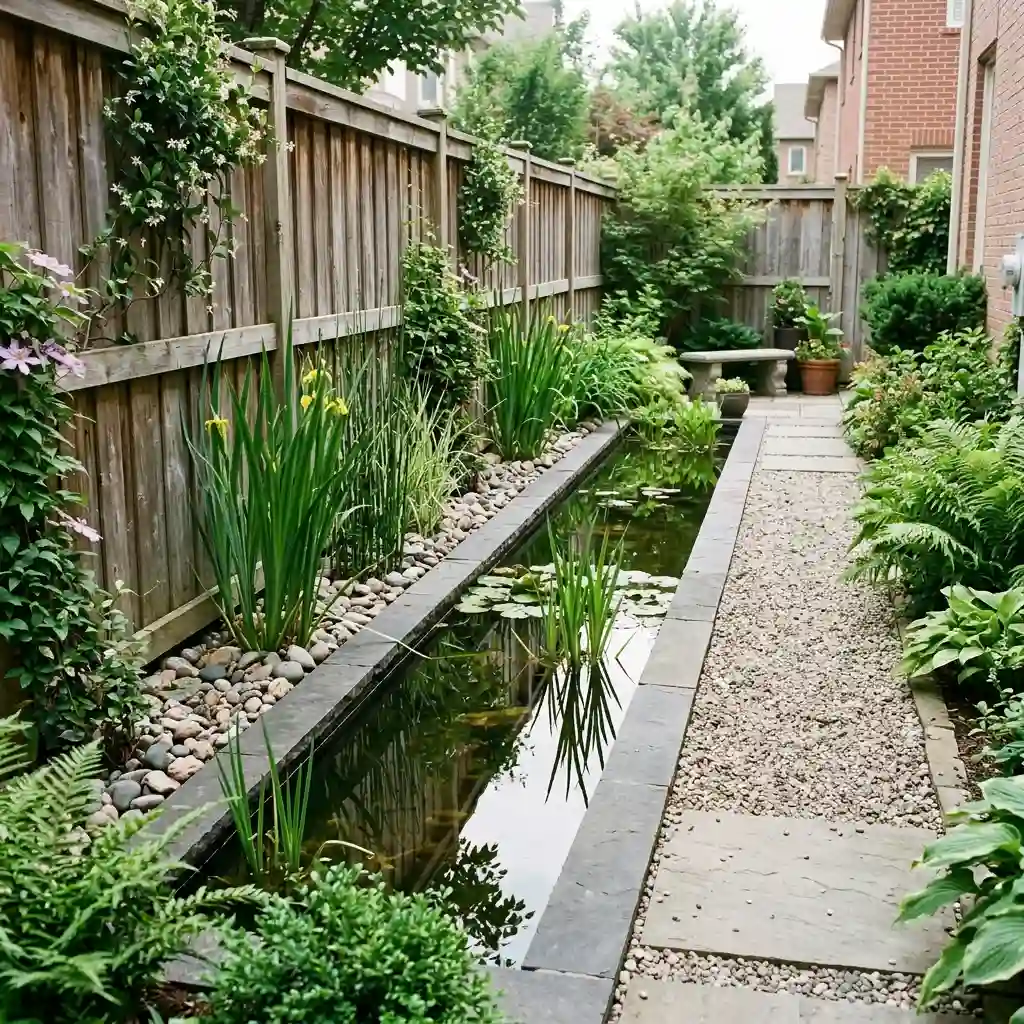
A long pond can turn a wasted strip beside a fence into a useful feature. A size such as 2 by 6 feet works well in many narrow yards.
The long shape can also make the yard appear deeper. Use upright plants that add height without spreading across the path.
Best for: Townhouse yards and narrow side gardens
Space needed: A strip at least 3 to 4 feet wide
Difficulty: Moderate
Watch out for: Leave access for fence repairs and pond cleaning.
Keep water away from wooden fence posts when possible. Constant moisture may shorten the life of untreated wood.
5. Add a Pond to an Empty Corner
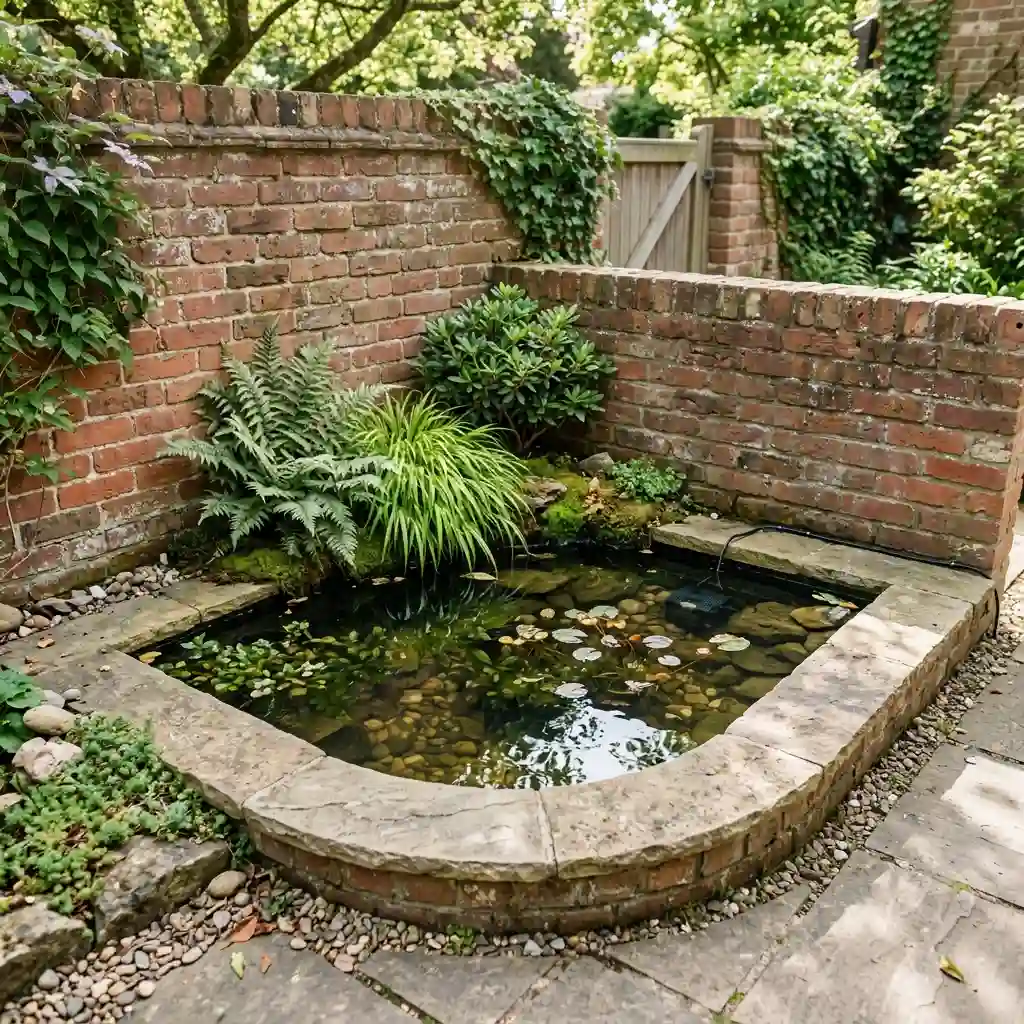
A corner pond makes use of an area that may be too cramped for a seat or flower bed. A curved front edge can soften the straight lines of two fences or walls.
Place a fern, grass, or compact shrub behind the pond. This creates height and helps the water feature feel settled into the garden.
Best for: Awkward corners and compact enclosed yards
Space needed: About 3 by 3 feet or more
Difficulty: Easy to moderate
Watch out for: Do not hide the pump behind plants or heavy stones.
Check how many leaves fall into the corner. A pond beneath a large tree may need frequent cleaning in autumn.
6. Create a Raised Timber Pond
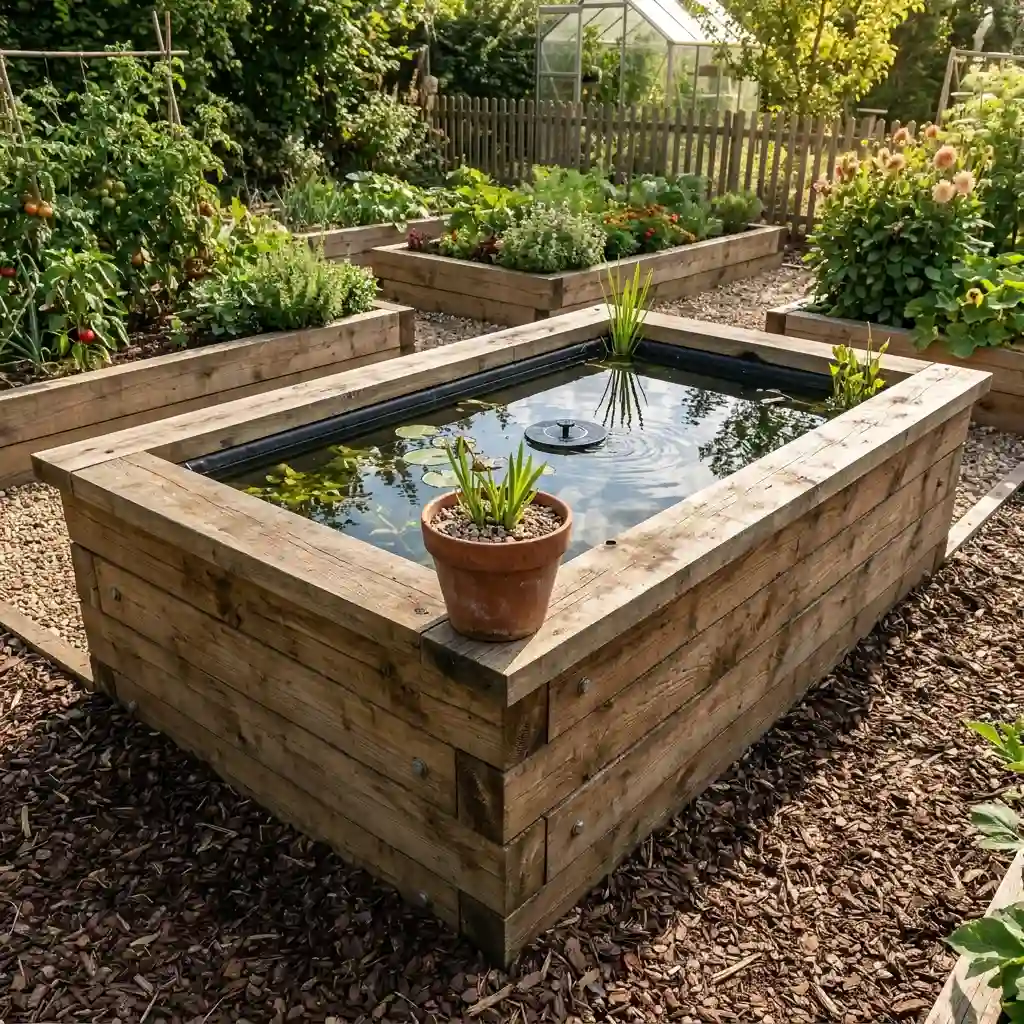
A raised pond reduces digging and works well where the ground is rocky or hard. Build a strong rectangular frame and line it with protective underlay and pond liner.
You can match the timber frame with nearby raised beds. A wide top edge can hold a small plant pot or serve as a temporary leaning point.
Best for: Hard soil, raised-bed gardens, and no-dig layouts
Space needed: About 3 by 4 feet or more
Difficulty: Moderate to hard
Watch out for: The frame must support the full weight of the water.
Do not treat the top edge as permanent seating unless the structure was built for that load. Use pond-safe materials where water may touch the frame.
Natural Small Garden Pond Ideas for Plants and Wildlife
A pond does not need to be large to help birds, insects, and other garden visitors. Safe access and varied water depths matter more than an oversized basin.
7. Make a Small Wildlife Pond
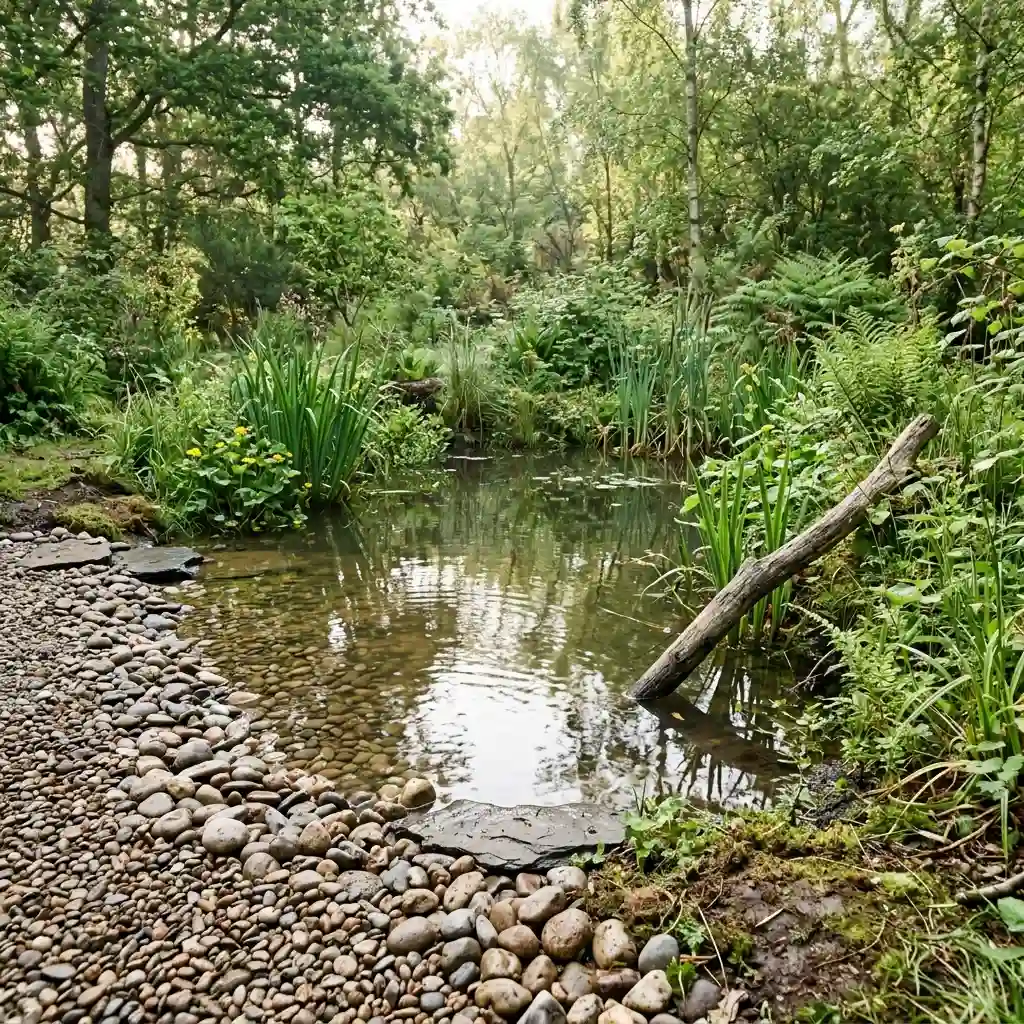
A wildlife pond should have at least one shallow edge. Add a pebble slope, textured ramp, or stable branch so small animals can leave the water.
Place flat stones near the edge where birds and insects can land. If frogs and aquatic insects are your main goal, skip fish because fish may eat eggs and larvae.
Best for: Wildlife-friendly gardens
Space needed: About 3 by 4 feet or more
Difficulty: Moderate
Watch out for: Avoid deep water with steep, slippery sides.
Do not collect frogs, eggs, or other animals from natural habitats. Let wildlife find the pond on its own.
8. Create a Mini Bog Pond
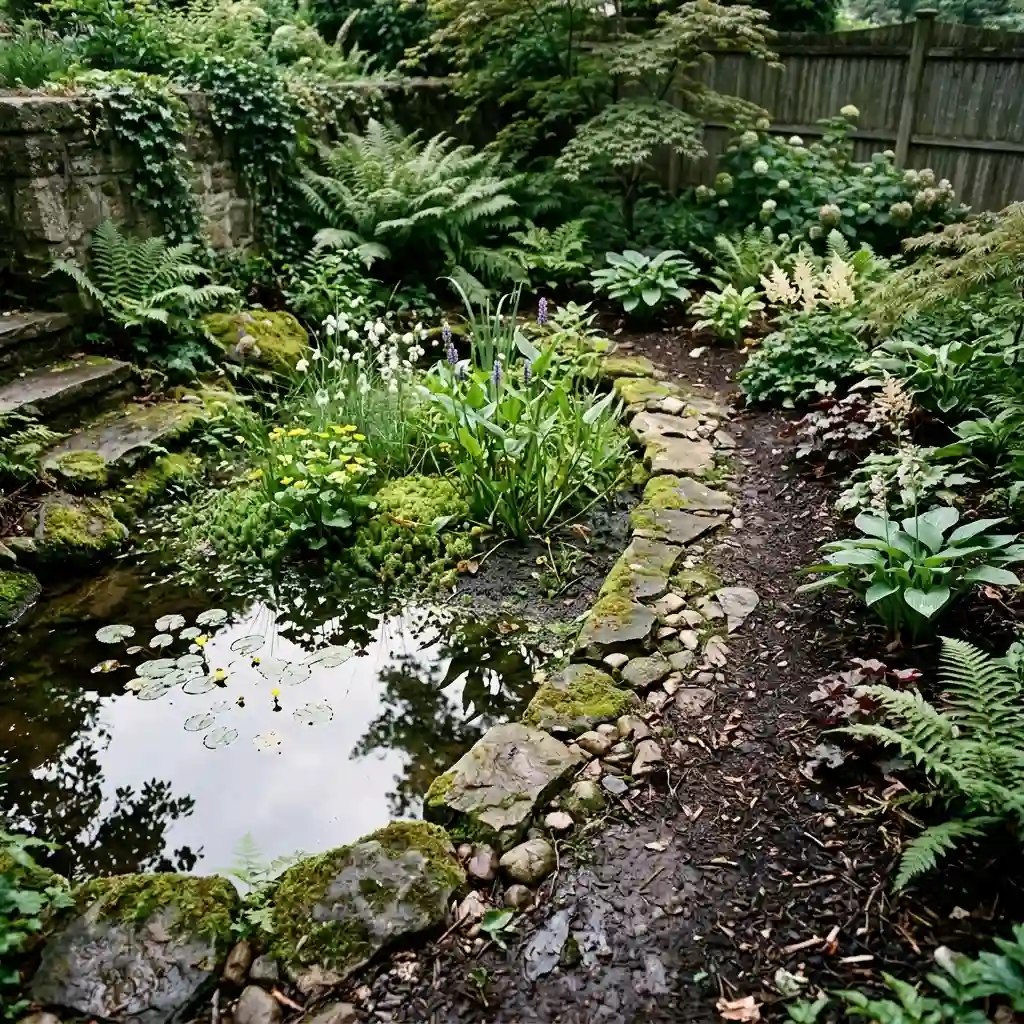
A mini bog pond works well in a part of the yard that stays damp. It creates a gradual change from normal soil to wet planting and shallow water.
Use moisture-loving plants around the edge. Select plants that suit your climate, sunlight, and soil rather than buying plants based on appearance alone.
Best for: Damp corners and low garden beds
Space needed: About 3 feet across
Difficulty: Moderate
Watch out for: A bog area should stay moist without flooding nearby structures.
Keep runoff from lawns and fertilized beds out of the pond. Extra nutrients can feed heavy algae growth.
9. Add a Shallow Pebble Beach
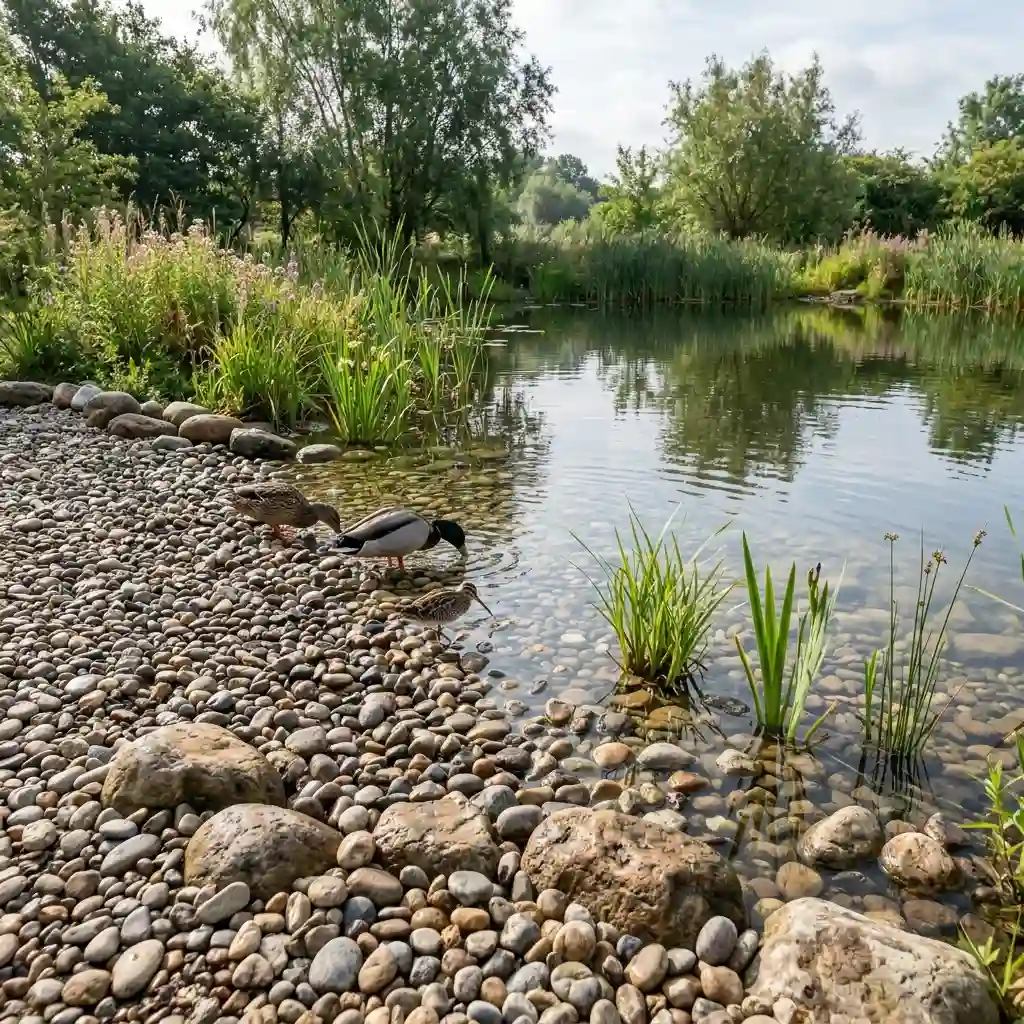
A pebble beach gives birds and small wildlife an easy route to the water. Build a wide shelf at one end and cover it with rounded stones in several sizes.
Use larger stones to hold smaller gravel in place. The slope should feel firm under light pressure and should not slide into the deepest section.
Best for: Wildlife ponds and natural designs
Space needed: A pond wide enough for a gradual edge
Difficulty: Moderate
Watch out for: Loose gravel can move and expose the liner.
A shallow shelf also gives you a place for marginal plants. These are plants that grow at the wet edge rather than in deep water.
10. Build a Rock-Lined Woodland Pond
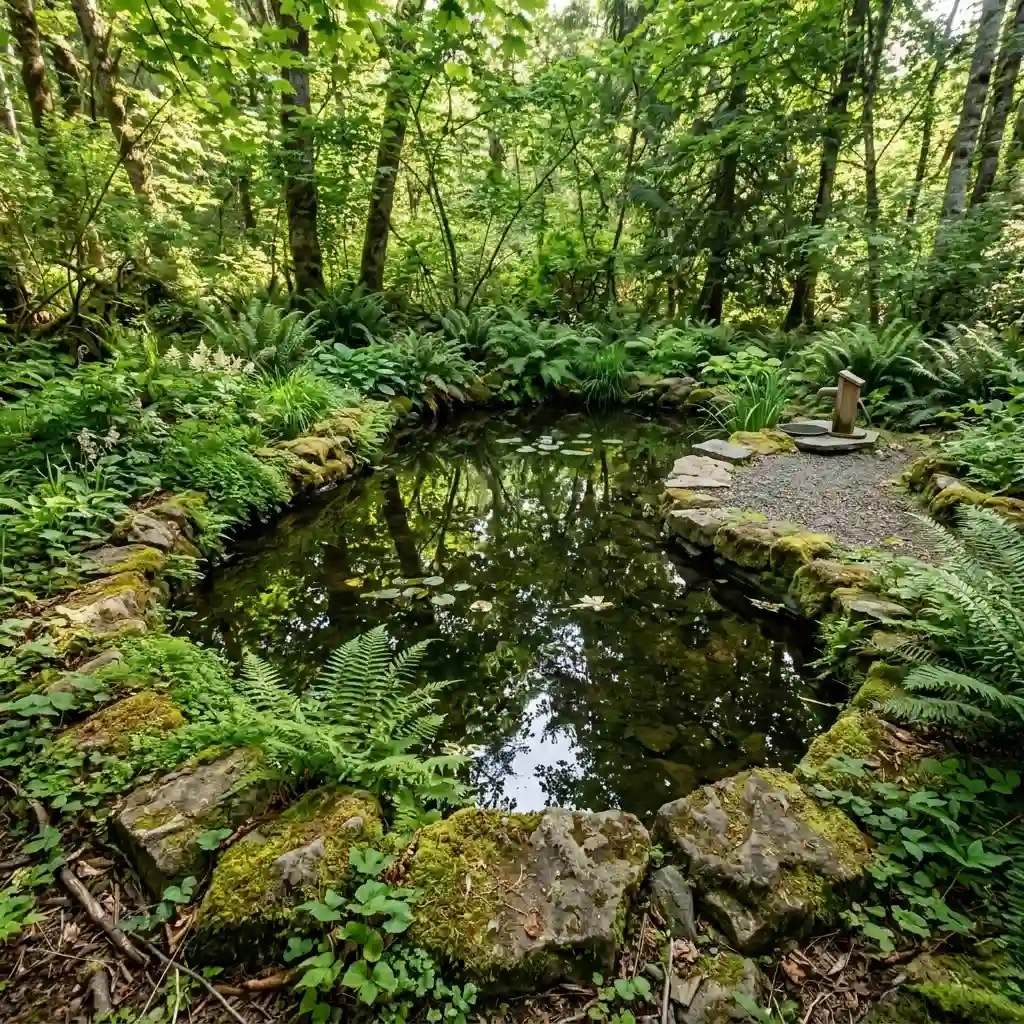
Irregular rocks can make a small pond feel as if it has always been part of the garden. Surround the water with ferns, mossy stones, and shade-friendly ground cover.
Set each large rock on firm soil. Do not stack heavy stones loosely along the rim, where they could fall into the water or damage the liner.
Best for: Shaded yards and woodland-style gardens
Space needed: About 4 by 5 feet or more
Difficulty: Moderate
Watch out for: Trees may drop leaves, seeds, and twigs into the water.
Leave one open section where you can remove debris and reach the pump. A pond net can reduce leaf buildup during autumn.
11. Plant a Dwarf Water-Lily Pond
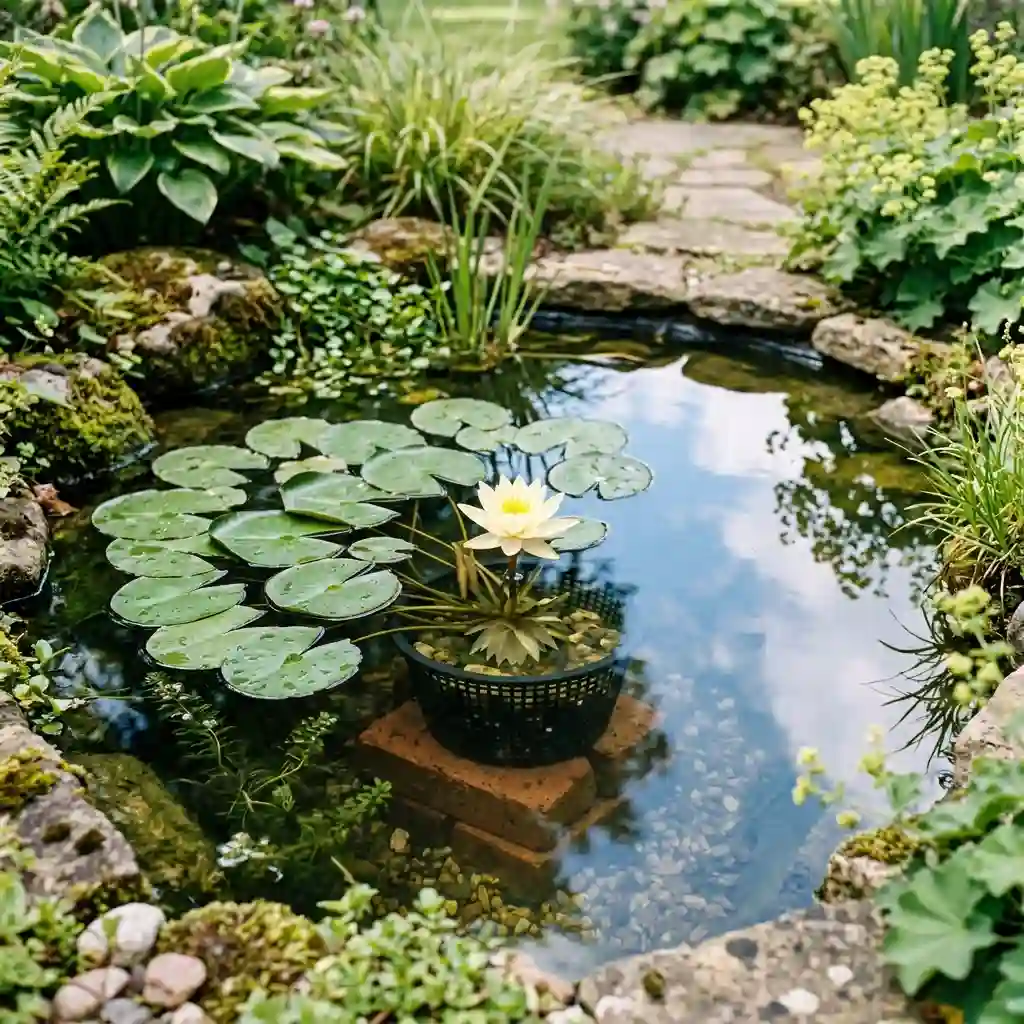
A dwarf water lily gives a small pond color without covering every inch of water. Check the plant’s mature spread and required planting depth before buying it.
Place the planting basket on submerged bricks or a stable stand. Lower it as the plant grows if the care label calls for deeper water.
Best for: Sunny container ponds and small basins
Space needed: Varies by plant variety
Difficulty: Easy to moderate
Watch out for: A full-size water lily can overwhelm a small pond.
Leave some open water for gas exchange and clear reflections. Remove yellow or damaged leaves before they decay.
12. Use Native Aquatic Plants
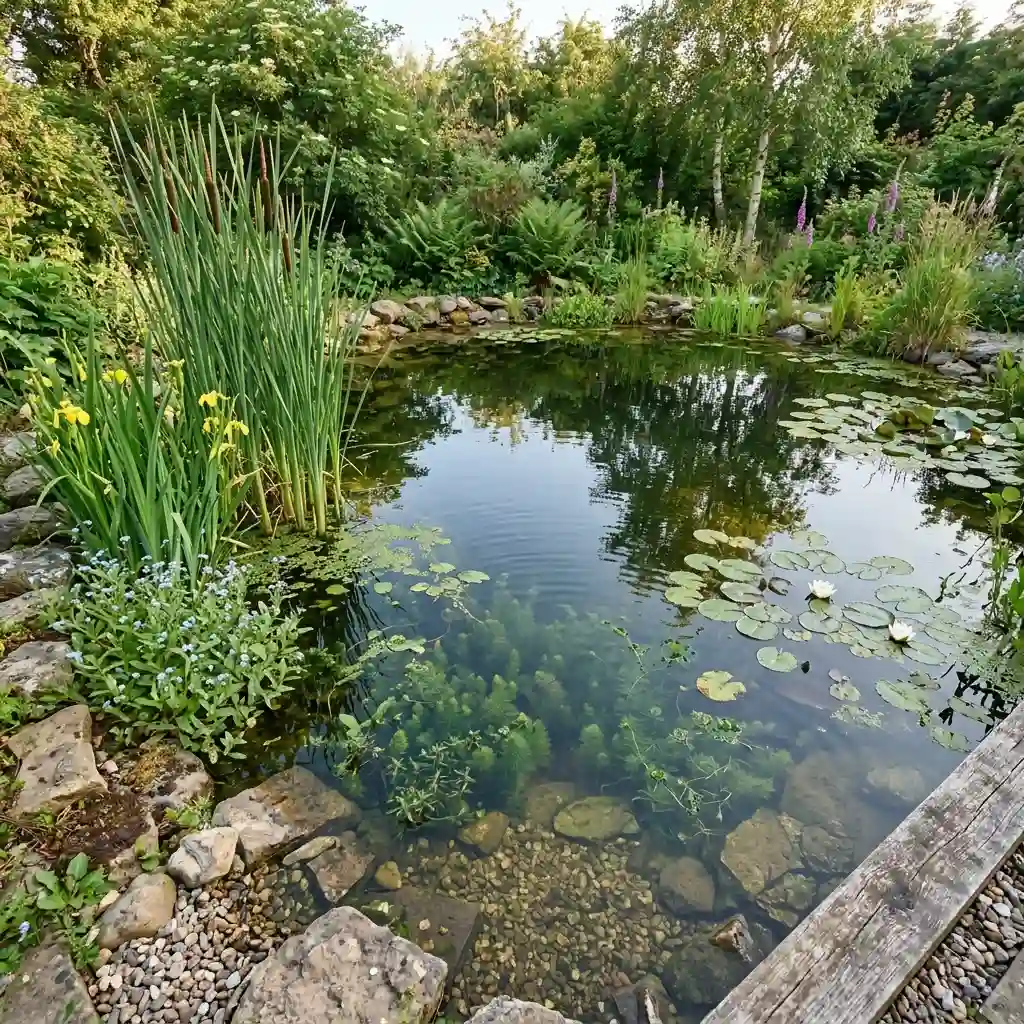
Native aquatic plants can provide shelter and food for local wildlife. They may also fit your climate better than plants grown for very different regions.
Mix plant forms for a balanced design. You might use one marginal plant, one submerged plant, and a small amount of floating cover.
Best for: Wildlife gardens and natural pond designs
Space needed: Any pond with suitable planting zones
Difficulty: Easy
Watch out for: Some aquatic plants spread fast or are restricted.
Check each plant with a local extension office, government invasive-species list, or trusted aquatic nursery. Never place unwanted pond plants into a stream, lake, or storm drain.
Small Pond Ideas With Waterfalls and Moving Water
Moving water adds sound, sparkle, and oxygen. Yet a waterfall or fountain needs a correctly sized pump, safe power, and easy access for cleaning.
13. Add a Compact Rock Waterfall
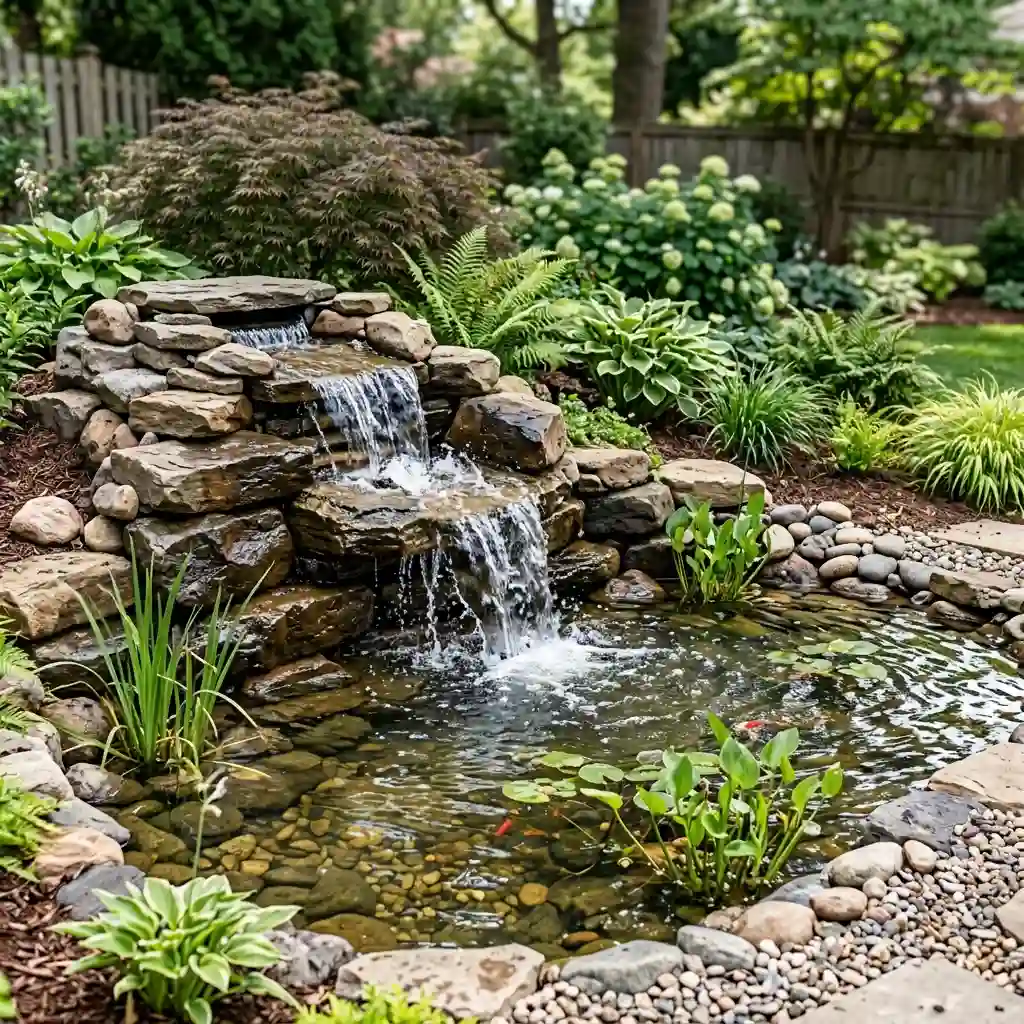
A short rock waterfall can sound impressive without taking over the yard. Use a small drop and direct all splashing water back into the pond.
Hide the return hose behind stable stones. Select a pump that can move enough water at the waterfall’s full height.
Best for: Natural ponds and noisy urban yards
Space needed: Small to medium
Difficulty: Moderate to hard
Watch out for: Splashing can cause fast water loss.
Pump labels often list maximum lift height. This is the vertical distance the pump can push water. Flow becomes weaker as that height increases, so check the pump chart before buying.
14. Create a Pondless Waterfall
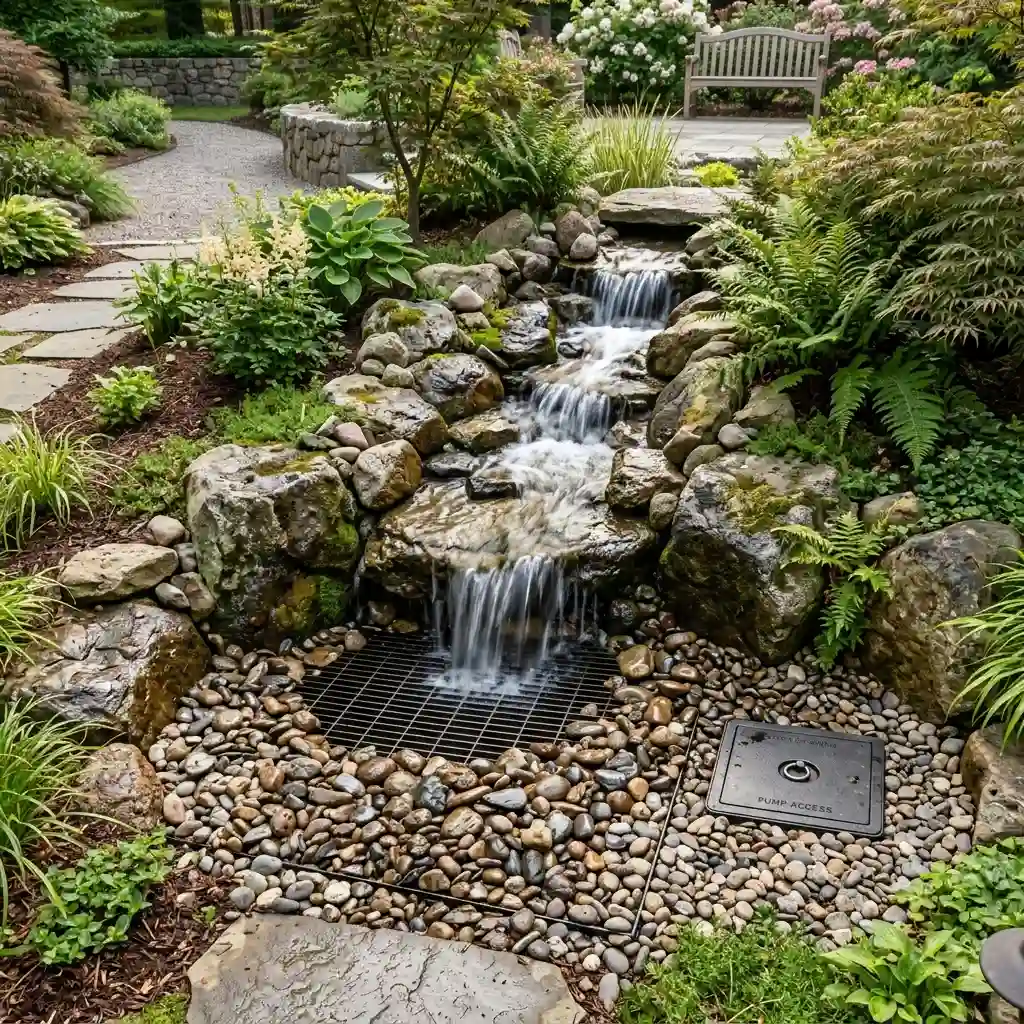
A pondless waterfall sends water into a hidden reservoir filled with rocks. It gives you movement and sound without leaving a large open basin.
Place the pump beneath a removable access cover. You still need to clean the intake and replace water lost through splashing and evaporation.
Best for: Family gardens and spaces where open water is unsuitable
Space needed: Small to medium
Difficulty: Hard
Watch out for: Poor pump access can turn simple care into a major task.
Use a strong grate designed to support the stones and expected foot traffic. Do not build the reservoir from an untested household container.
15. Install a Wall-Spout Pond
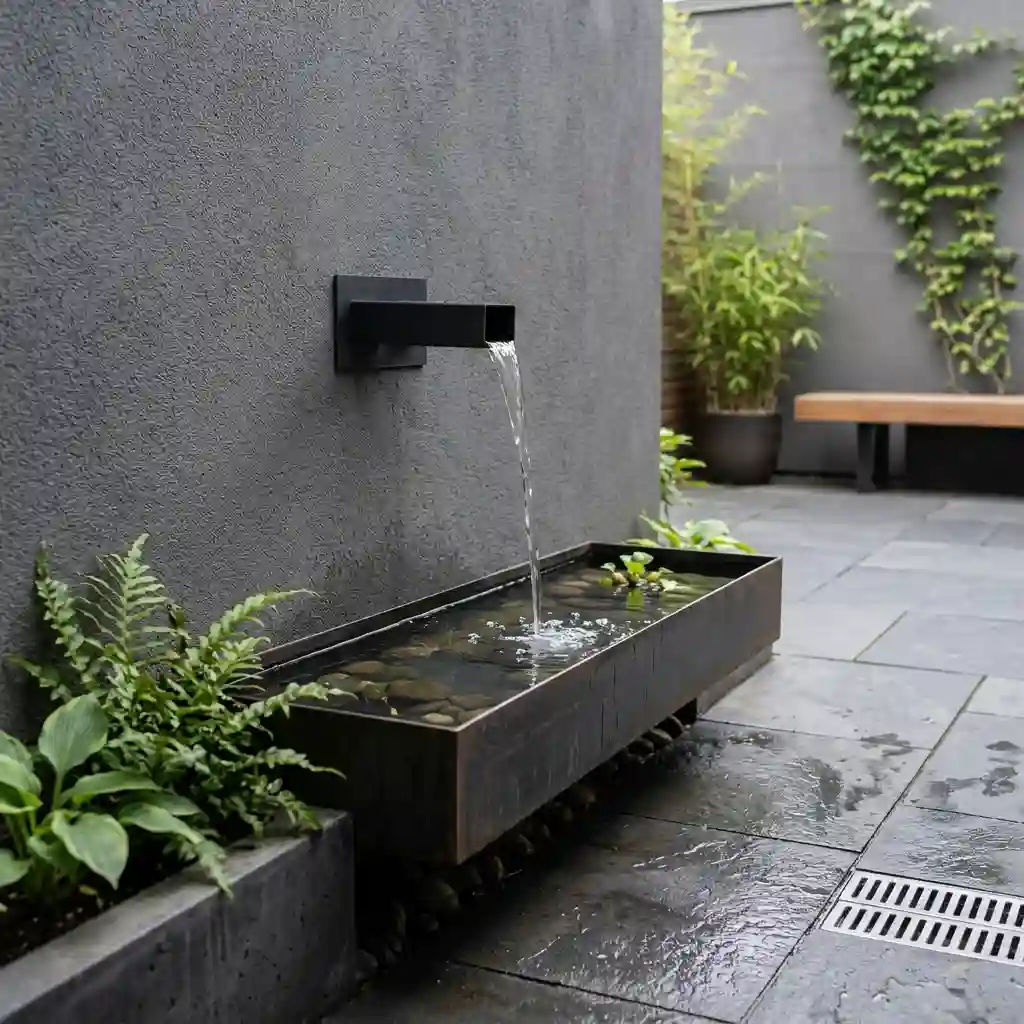
A wall spout sends a clean stream of water into a narrow basin. This design can make a plain patio wall more useful without taking much floor space.
Choose a spout that matches nearby materials. Copper suits warm brick and stone, while dark metal often works well with modern paving.
Best for: Courtyards, patios, and narrow yards
Space needed: A wall and a slim basin
Difficulty: Moderate to hard
Watch out for: Repeated splashing can stain or damage the wall.
Use a moisture-resistant backing and direct the flow into the center of the basin. Confirm that the wall can support the fixture.
16. Add a Solar Fountain Pond
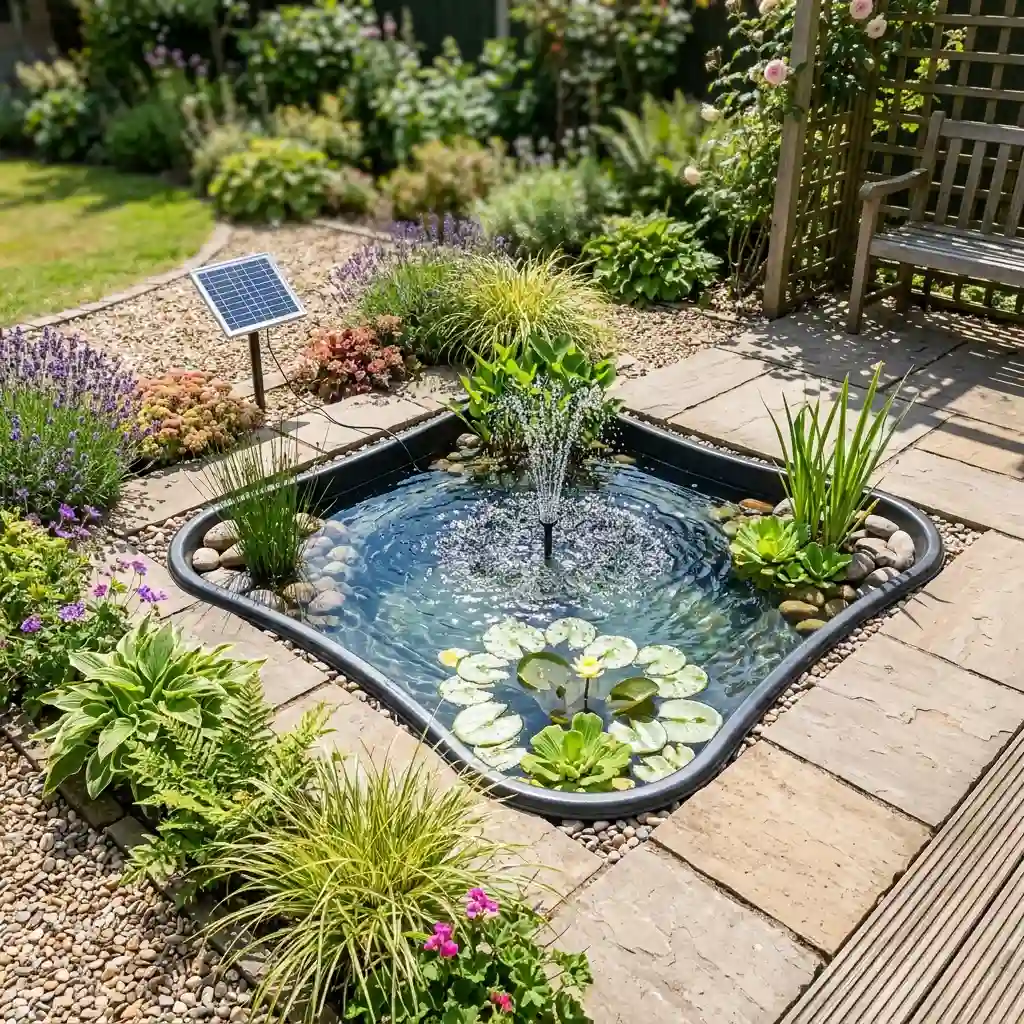
A solar fountain is one of the simplest DIY small pond ideas. Place a floating or fixed fountain inside a barrel, pot, or preformed basin.
Set the solar panel where it receives direct sun. A model without battery storage may slow down or stop when clouds block the light.
Best for: Sunny patios and ponds far from an outlet
Space needed: Very small
Difficulty: Easy
Watch out for: A high spray may empty a small basin through wind and splashing.
Choose a low, gentle spray. Check the water level often during hot or windy weather.
Decorative Backyard Pond Designs for Patios
A pond can become part of a seating area instead of sitting alone at the back of the garden. Repeat materials from the patio or house to create a connected look.
17. Combine a Pond With a Small Deck
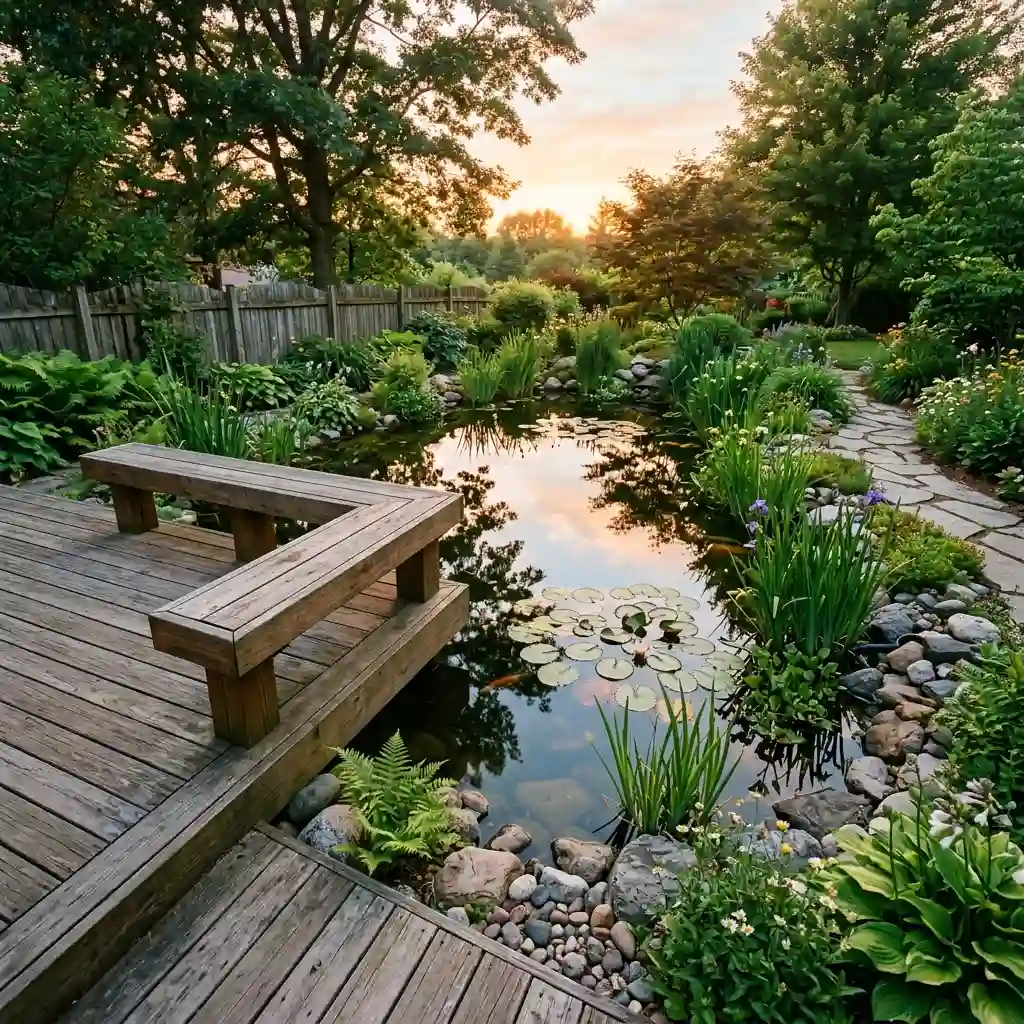
A short deck beside the pond creates a close viewing point. Keep the decking beside the water rather than covering the whole surface.
Use slip-resistant outdoor boards and leave enough room to reach the liner, plants, and pump. Prevent sawdust, soil, paint, and wood treatments from entering the water.
Best for: Relaxing areas and natural garden ponds
Space needed: Small to medium
Difficulty: Hard
Watch out for: Wet decking can become slippery.
A low bench can make the spot more useful. Position it so people can enjoy the water without blocking the maintenance route.
18. Build a Formal Reflecting Pond
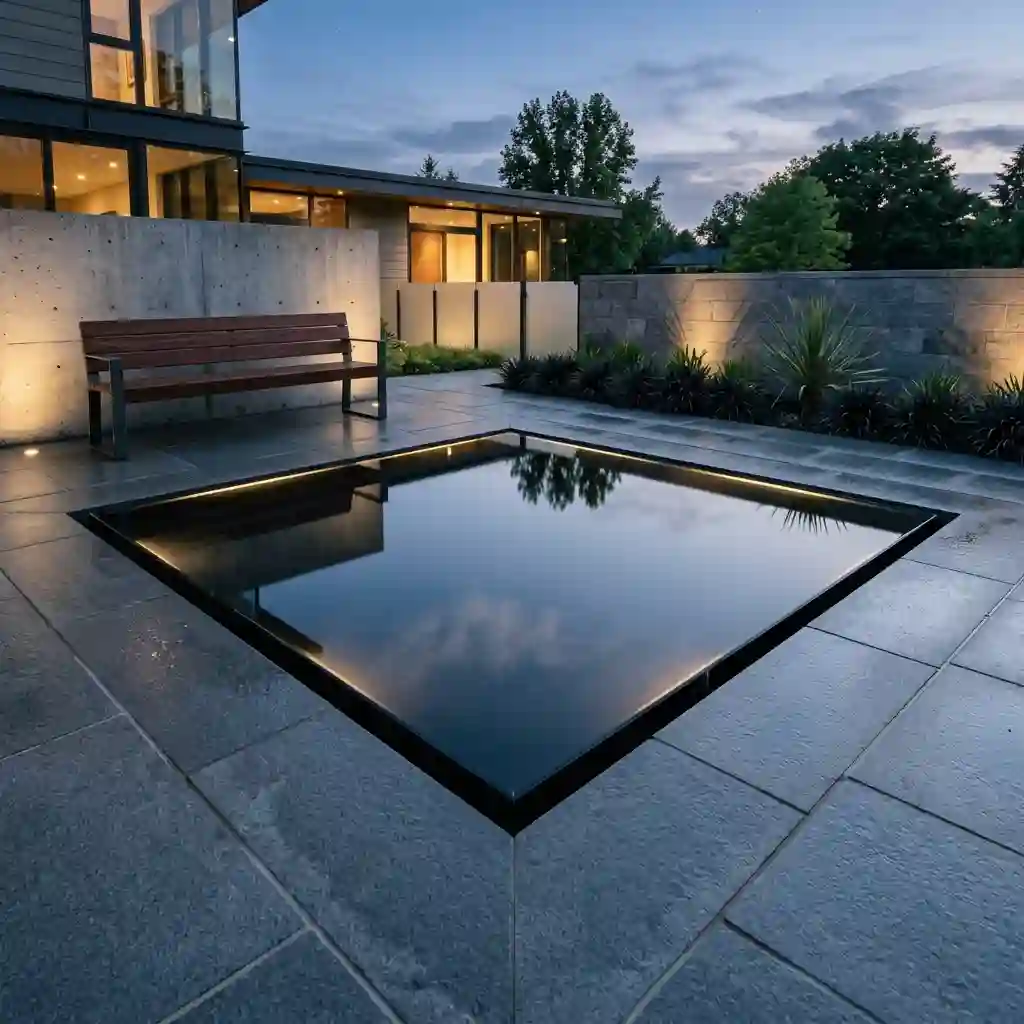
A square or rectangular pond adds clean lines to a modern patio. A 4-by-4-foot basin beside a bench can create a strong focal point.
Use a dark liner to improve reflections. Keep planting simple and repeat nearby pavers or edging around the basin.
Best for: Modern patios and formal gardens
Space needed: About 4 by 4 feet or a narrow strip
Difficulty: Moderate to hard
Watch out for: Leaves and algae are easy to see in still water.
Pond-safe underwater lighting can add a soft glow after dark. Use equipment made for water features and follow all installation directions.
Compare the Best Small Pond Ideas by Cost and Effort
No single pond design works for every yard. Choose based on available space, installation effort, safety, and the amount of care you can provide.
| Pond idea | Space | Effort | Best for | Main concern |
| Ceramic pot | Very small | Low | Patios and renters | Low water volume |
| Half-barrel | Very small | Low | Plants and fountains | Winter protection |
| Preformed basin | Small | Medium | First-time installers | Careful leveling |
| Liner pond | Flexible | Medium–high | Custom shapes | Edge finish |
| Raised pond | Small | Medium–high | No-dig designs | Structural strength |
| Pondless waterfall | Small–medium | High | Moving water | Pump access |
A ceramic pot or half-barrel is often the easiest choice for a renter. A shallow liner pond with safe edges suits wildlife. A dark rectangular basin works well in a modern garden.
Do not choose by appearance alone. A low-maintenance pond still needs cleaning, water checks, and plant care.
Keep a Small Backyard Pond Clean and Safe
Small ponds are manageable when you complete basic care on a regular schedule. Their limited water volume means temperature and water quality can change faster than they do in a large pond.
Weekly Care
- Remove leaves, dead flowers, and other debris.
- Check the pump intake for blockages.
- Top up the water when needed.
- Look for damaged cables, loose stones, or exposed liner.
- Remove dead plant material before it rots.
Mosquitoes lay eggs around water. The CDC recommends checking water-holding items each week. For a pond that cannot be emptied, maintain water movement and ask your local health authority about approved biological controls.
Monthly Care
- Rinse filters as directed by the manufacturer.
- Trim plants that cover too much of the surface.
- Check the fountain or waterfall flow.
- Remove sediment if it begins to build up.
- Inspect raised frames for movement or damage.
Do not add more fish than the filter and pond size can support. Extra food and fish waste can feed algae and reduce water quality.
Seasonal Care
Check the pond depth and water temperature during very hot or freezing weather. Pumps, plants, and fish may need climate-specific winter care.
Place a net over the pond before heavy autumn leaf fall. Remove the net before snow or debris makes it sag into the water.
Outdoor pumps should use protected electrical connections. The Electrical Safety Foundation International advises using ground-fault circuit interrupters and weatherproof outdoor outlet covers. Ask a licensed electrician for help if you need a new outlet or permanent cable.
Use a stable barrier, secure grate, fence, or pondless design where open water could place children or pets at risk. Local safety rules may set added requirements.
Your Quick Pond-Planning Checklist
Before buying materials, confirm that:
- The pond fits without blocking a path.
- You can reach every part for cleaning.
- The site has suitable sun and shade.
- Buried utilities have been marked.
- The design is safe for children and pets.
- The structure can support the water’s weight.
- The pump will remain easy to remove.
- Your chosen plants are safe and legal locally.
- You have checked local pond and fencing rules.
Choose One Pond Idea and Mark It Out
A pond can fit inside a pot, beside a fence, within a corner, or next to a small deck. The best design depends on your space, budget, purpose, and available time for care.
These small backyard pond ideas can help you add water without crowding your yard. Begin by measuring one possible location. Mark the shape with a garden hose or rope, then check how much walking and cleaning space remains.
If a permanent pond feels like too much work, start with a container. A half-barrel or ceramic pot lets you test one of these DIY small pond ideas before making a larger change.