
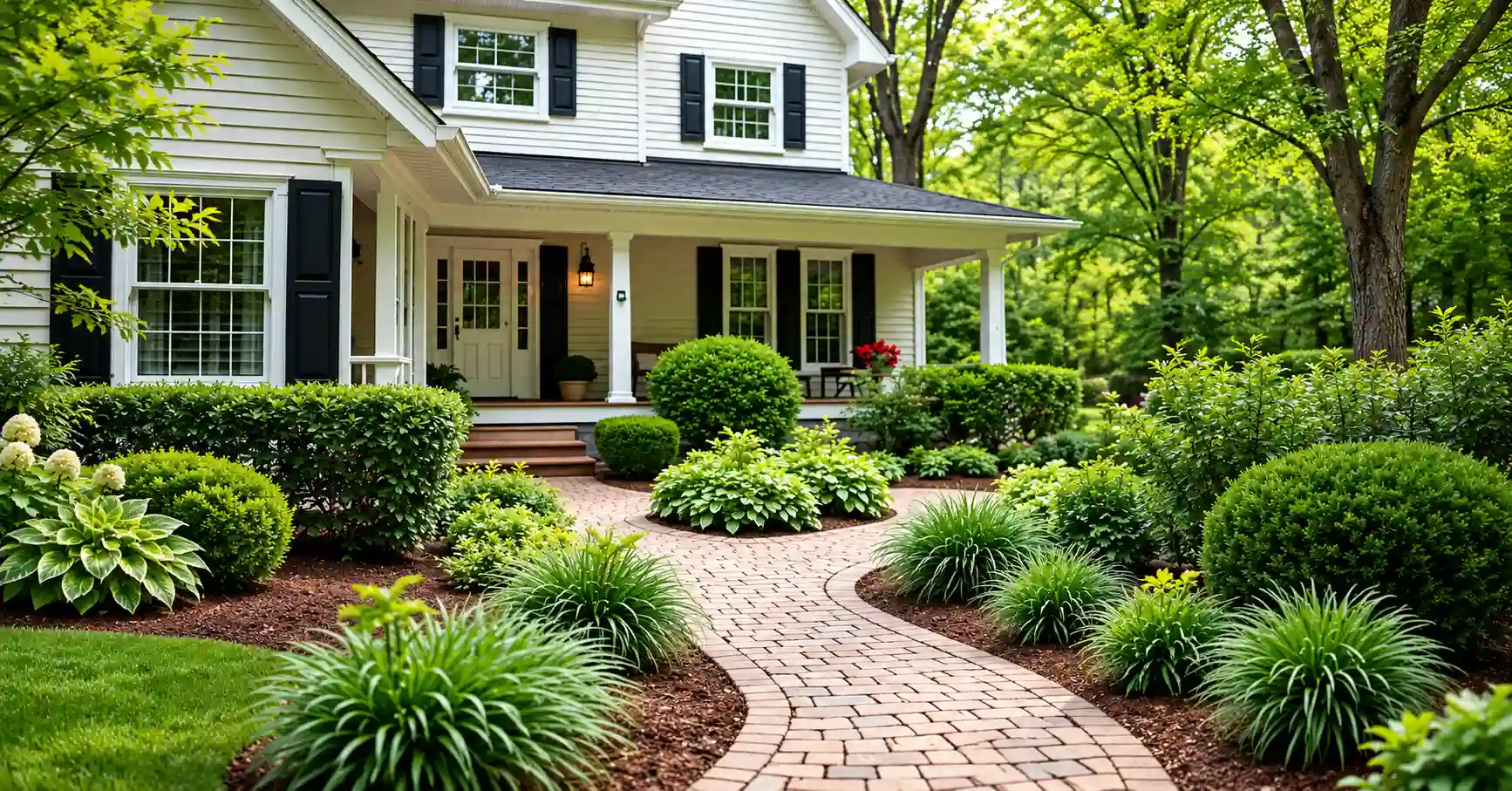
A beautiful yard should give you a place to relax. It should not fill every weekend with mowing, watering, pruning, and pulling weeds.
The right low-maintenance landscaping ideas can reduce those jobs without making your outdoor space look empty. You can keep the parts of your yard that work and change the areas that take too much time.
A low-maintenance yard is not a yard that needs zero care. Every landscape needs some work. New plants need water. Mulch needs to be refreshed. Irrigation systems need to be checked.
The goal is to make those jobs smaller and less frequent.
You do not need to replace your whole yard at once. Start with the area that causes the most trouble. It may be a steep lawn, a dry flower bed, or a side yard where plants keep dying.
These 17 easy landscaping ideas will help you reduce mowing, watering, weeding, pruning, and seasonal planting.
How to Choose Low-Maintenance Landscaping Ideas That Fit Your Yard
Before you buy plants or order gravel, think about the work you want to reduce.
Which yard job takes the most time?
It may be weekly mowing. It may be watering pots every evening. You may spend hours cutting back shrubs that grow over paths and windows.
Next, look at the conditions in your yard.
Check how much sun each area receives. Watch where rainwater collects. Notice which areas dry out first. You should also check your soil and local climate.
The USDA Plant Hardiness Zone Map can help you find plants that can survive winter in your area. Your growing zone is useful, but it is not the only factor. Sunlight, rainfall, soil, wind, and drainage also affect plant health.
Use this quick yard check:
- Replace unused lawn if mowing is the main problem.
- Add mulch and groundcovers if weeds keep returning.
- Choose native or drought-tolerant plants if watering takes too long.
- Select compact plants if you prune shrubs often.
- Improve drainage if plants keep dying in wet soil.
- Install drip irrigation if you move hoses around the yard each day.
Plan around your current conditions. It is much easier than trying to force the wrong plants to survive.
1. Shrink Your Lawn to Cut Weekly Mowing
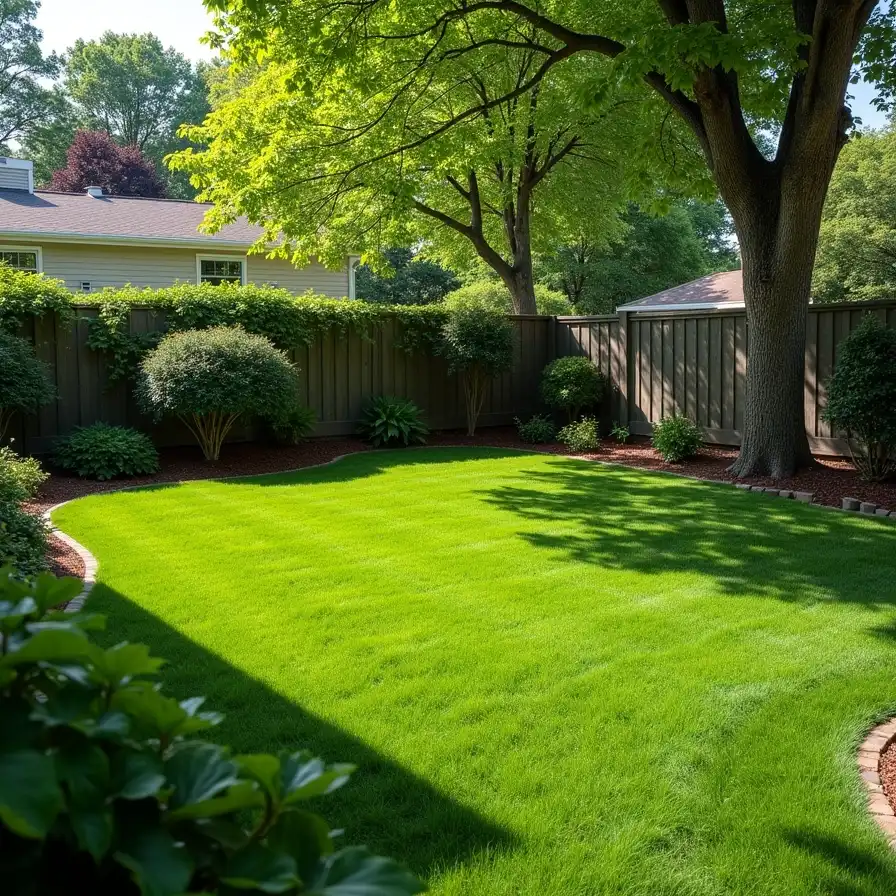
A large lawn may look simple, but it can create a lot of work.
Grass often needs mowing, edging, watering, feeding, and weed control. It may also struggle on slopes, beneath trees, and beside fences.
You do not have to remove every patch of grass. Keep lawn where it has a clear use. A play space, pet area, or open sitting area may still be useful.
Start by removing grass from places that are hard to mow. These areas may include narrow strips beside a driveway, sharp corners, steep banks, and spaces around trees.
You could widen an existing flower bed by two or three feet. You could also replace a strip beside a fence with shrubs, groundcovers, and mulch.
Use simple bed shapes. Long curves and straight lines are easier to mow around than several small circles.
Begin with one problem area. A small change can remove several minutes from every mowing session.
Best for: Large lawns and hard-to-mow areas
Upfront effort: Medium
Ongoing care: Low to medium
Budget: Low to medium
Main task reduced: Mowing and edging
2. Replace Regular Grass With a Low-Mow Lawn
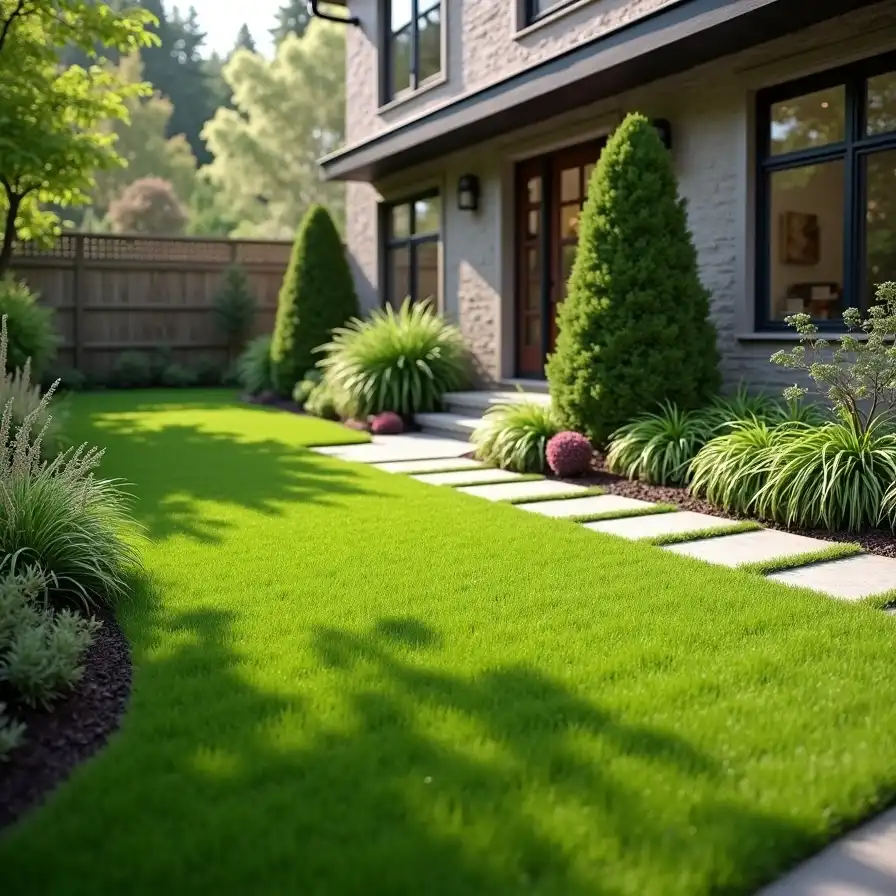
You may want less mowing without giving up a soft green lawn.
A low-mow grass mix can be a good middle option. Fine fescues grow more slowly than many common turf grasses. Some lawn mixes also contain white clover, self-heal, or creeping thyme.
These plants can create a lawn that needs less mowing and may stay green with less water. However, results depend on your climate, sunlight, soil, and foot traffic.
A low-mow lawn is not a no-work lawn. It may still need occasional mowing, weed control, and watering during dry weather.
Check local rules before planting clover or a mixed lawn. Some homeowner associations have strict lawn standards.
Test the mix in a small area first. Watch how it handles heat, shade, pets, and regular walking for one growing season.
This small test can save you from replacing a full lawn with a mix that does not suit your yard.
Best for: Homeowners who still want a green lawn
Upfront effort: Medium
Ongoing care: Medium
Budget: Medium
Main task reduced: Frequent mowing
3. Choose Native Plants That Need Less Help
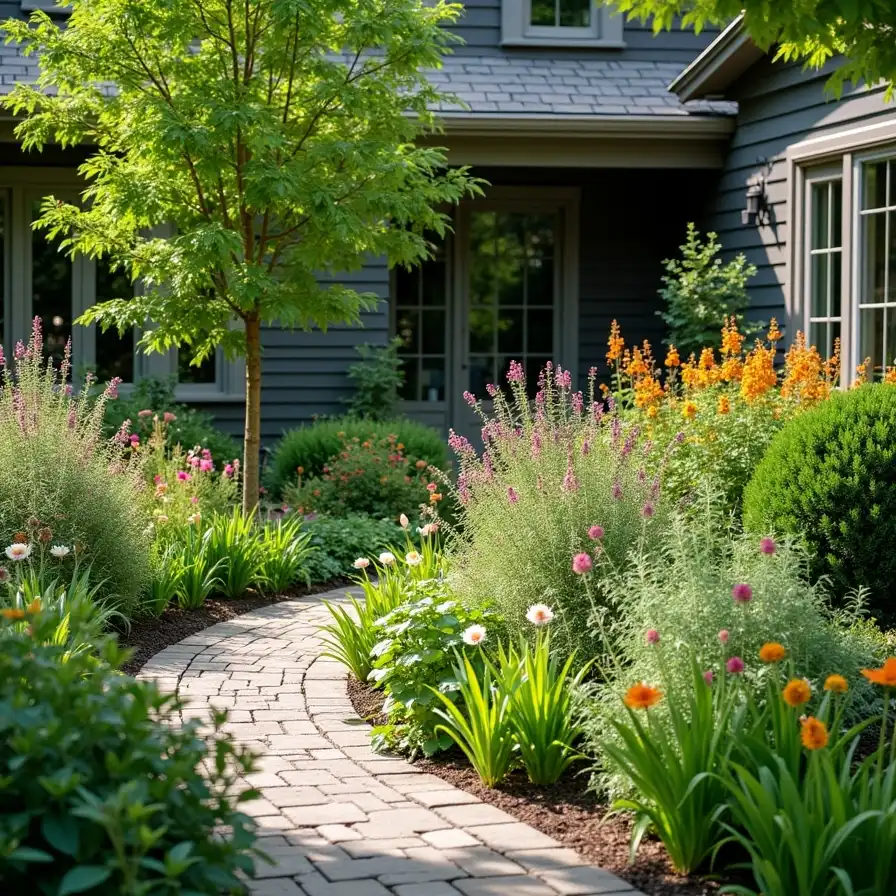
Native plants can make yard care easier when they match your local conditions.
A native plant has grown naturally in a region for a long time. It has adapted to the local weather, soil, and seasonal changes.
Once established, suitable native plants may need less watering and fewer soil changes than plants from very different climates. They can also provide food and shelter for local birds, bees, and butterflies.
Native does not mean every plant will grow anywhere in your state. A plant that likes dry, sunny soil may fail in a wet, shaded corner.
Choose plants by purpose:
- A native flowering perennial for color
- A native grass or sedge for texture
- A low groundcover for bare soil
- An evergreen shrub for winter structure
- A small tree for shade
Ask a local nursery or Cooperative Extension office for a regional plant list. Buy from trusted sellers that label plants clearly.
The right native plant should fit the site from the start.
Best for: Pollinator gardens and regional landscapes
Upfront effort: Medium
Ongoing care: Low after establishment
Budget: Medium
Main task reduced: Watering and plant replacement
4. Use Drought-Tolerant Plants in Hot, Dry Spots
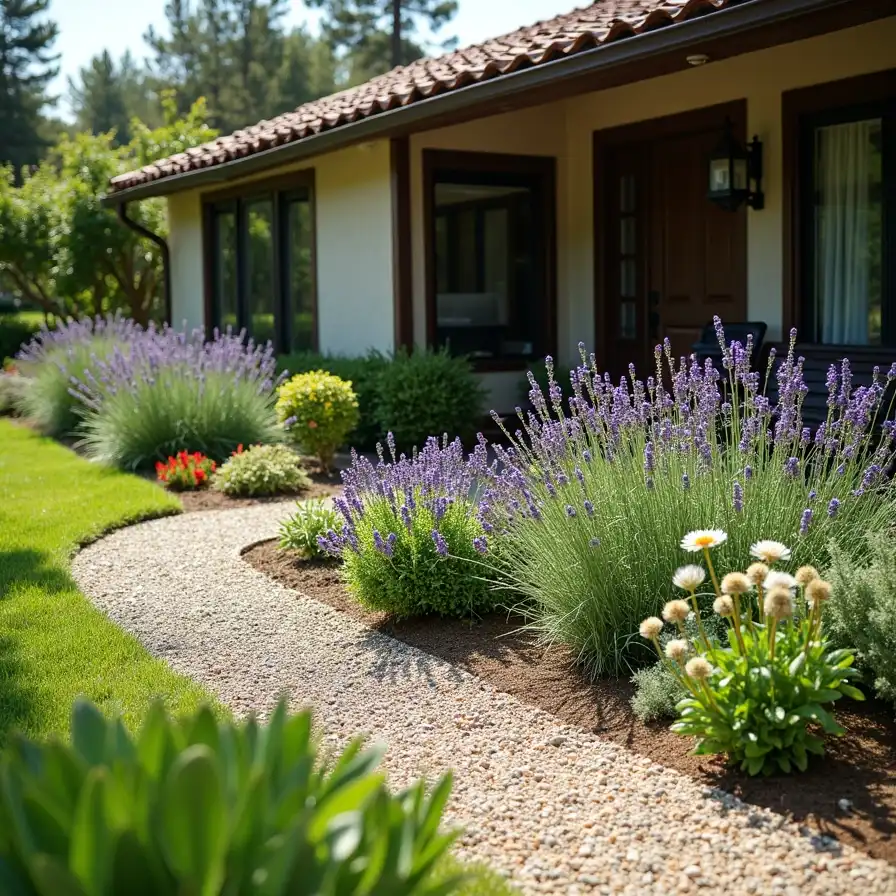
Some parts of your yard may dry out faster than others.
A bed beside a sunny wall can become very hot. A raised slope may lose water quickly. Plants in these areas often need extra watering or die during summer.
Drought-tolerant landscaping can solve this problem.
Possible plants include lavender, salvia, yarrow, sedum, catmint, agave, manzanita, and little bluestem. The right choice will depend on your region.
Do not assume that every drought-tolerant plant can handle every hot climate. Some plants prefer dry heat but struggle in humid areas. Others survive heat but cannot handle cold winters.
New plants still need regular water while their roots grow. This may take one or two growing seasons.
Group plants with similar water needs. Do not place a thirsty flower between two dry-climate plants. That makes watering harder.
Check local invasive plant lists before buying. A plant that behaves well in one area may spread quickly in another.
Best for: Sunny beds and dry climates
Upfront effort: Medium
Ongoing care: Low
Budget: Medium
Main task reduced: Watering
5. Replace Seasonal Flowers With Long-Lived Perennials
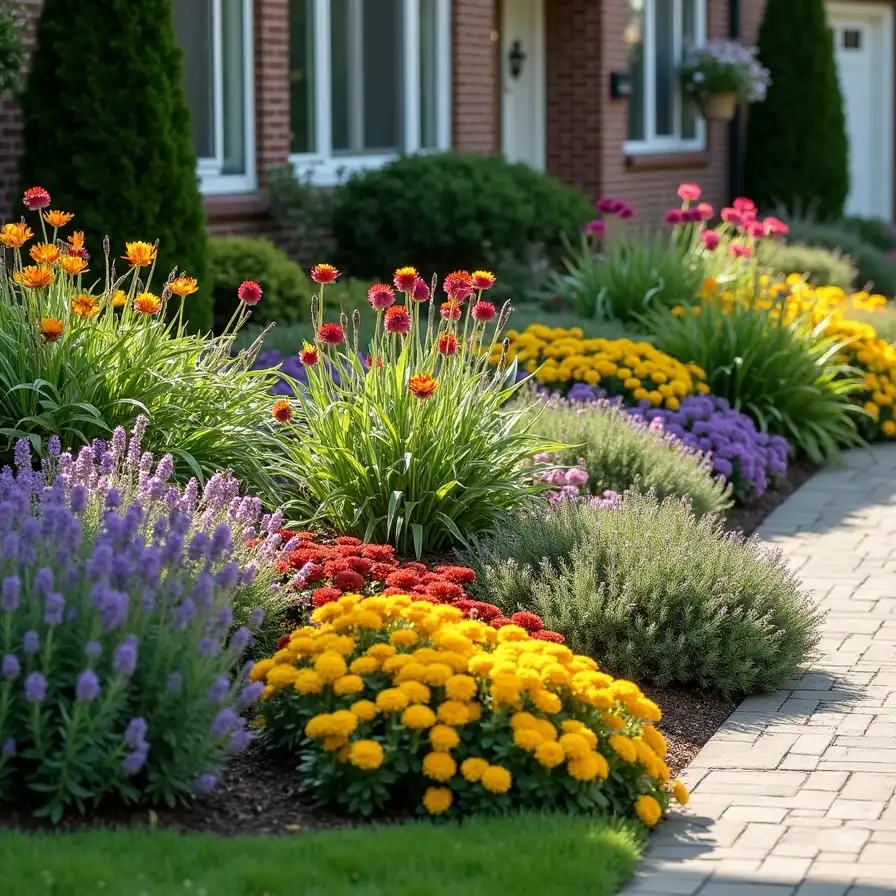
Seasonal flowers can add bright color, but they often create yearly work.
You may need to buy them, plant them, feed them, water them, and remove them at the end of the season.
Perennials return for several years. They may cost more at first, but they can reduce repeat planting.
Good options may include coneflower, coreopsis, hardy geranium, sedum, salvia, and regionally suitable native flowers.
Choose plants with different bloom times. One group can flower in spring. Another can bloom during summer. A third can add color in fall.
Avoid perennials that need regular staking, dividing, or deadheading if you want less work. Read plant labels and ask about mature size.
You can still use annual flowers. Keep them in one or two high-impact places, such as a front porch pot or an entry bed.
This gives you seasonal color without replanting the whole yard.
Best for: Flower beds and entry areas
Upfront effort: Medium
Ongoing care: Low to medium
Budget: Medium
Main task reduced: Seasonal planting
6. Add Evergreen Shrubs for Year-Round Structure
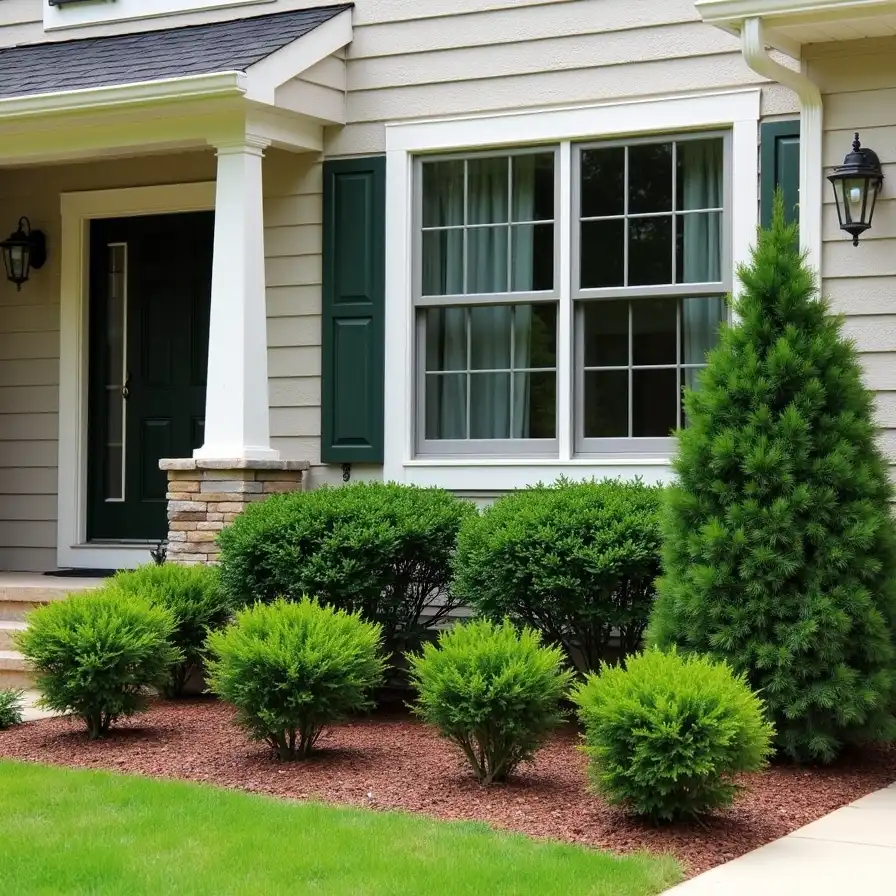
A yard can look empty after flowers fade and leaves fall.
Evergreen shrubs solve this problem by keeping their shape and color through more of the year. They create a steady background for flowers, grasses, and groundcovers.
Choose compact shrubs that fit the space at their mature size. A small shrub planted below a window should stay below that window.
Do not rely on constant trimming to control a plant that is too large.
Possible choices include dwarf conifers in cold climates, inkberry holly in suitable eastern areas, yaupon holly in warmer regions, and manzanita in dry western areas.
Repeat a few shrub types instead of planting many unrelated varieties. Repetition makes the yard look calm and planned.
Space shrubs based on their mature width. Crowded shrubs may develop poor airflow and require more pruning.
A well-placed evergreen may need only light cleanup and an occasional shape check.
Best for: Foundation beds and front yards
Upfront effort: Medium
Ongoing care: Low
Budget: Medium to high
Main task reduced: Replanting and frequent pruning
7. Use Ornamental Grasses to Fill Empty Spaces
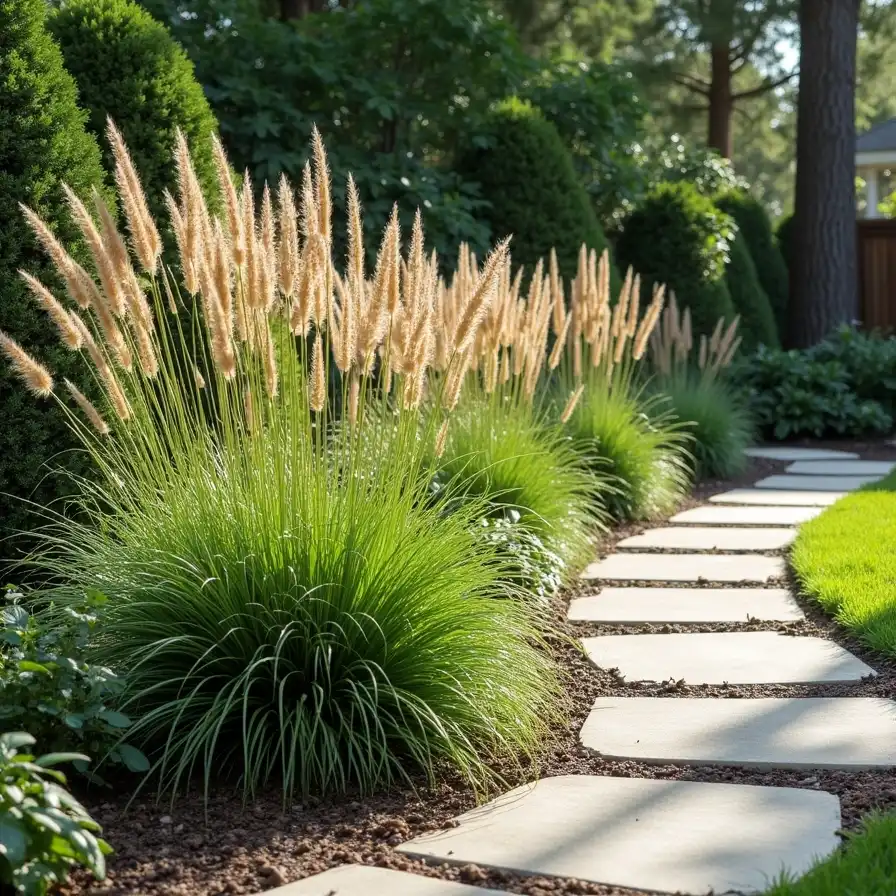
Ornamental grasses add height, movement, and soft texture.
Many clump-forming grasses need only one cutback each year. This is often less work than caring for several small flowering plants.
Possible choices include little bluestem, prairie dropseed, muhly grass, blue fescue, and native sedges for shaded areas.
Plant grasses in groups of three, five, or seven. A group creates a stronger effect than one grass standing alone.
Check the mature size before planting. Some grasses become wide and can cover paths or nearby plants.
You should also check whether a grass spreads through underground roots or seeds. Choose clump-forming types when possible. Avoid species listed as invasive in your area.
Cut back old growth at the right time for that plant. Many grasses can remain standing through winter and be trimmed before new spring growth begins.
Best for: Borders, slopes, and modern landscapes
Upfront effort: Low to medium
Ongoing care: Low
Budget: Low to medium
Main task reduced: Pruning and replanting
8. Cover Bare Soil With Groundcover Plants
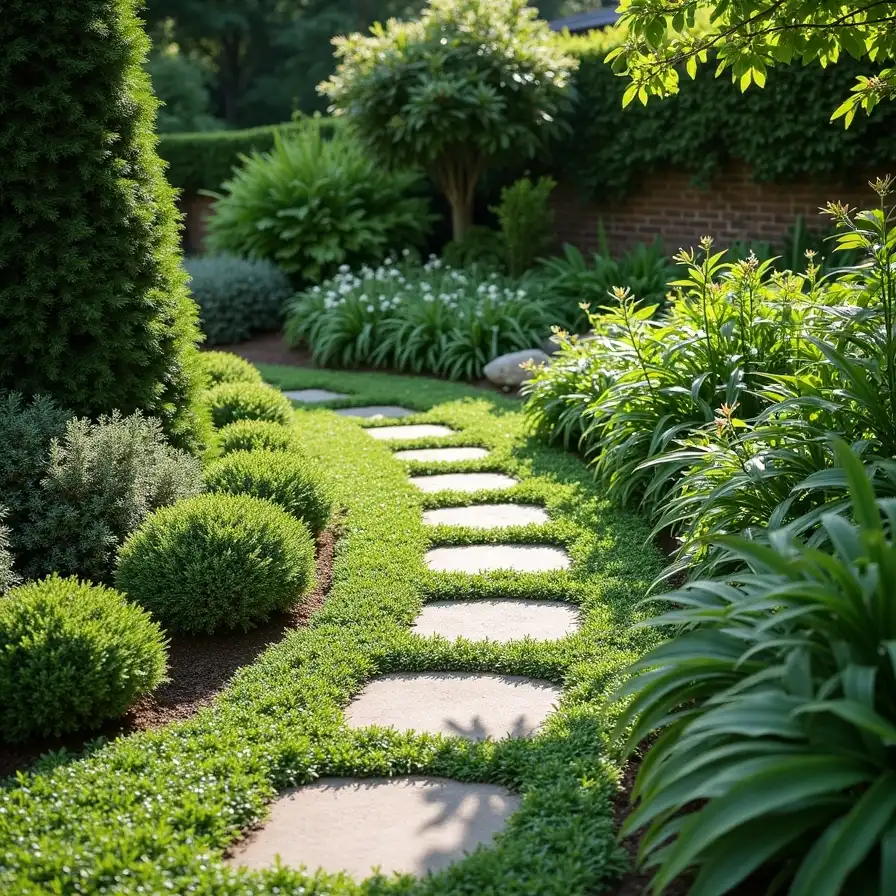
Bare soil gives weeds space to grow.
Groundcover plants fill gaps between shrubs and larger perennials. Their leaves shade the soil and make it harder for new weeds to take hold.
Choose groundcovers based on the site.
Creeping thyme may work in a sunny, well-drained area. Native sedges can fill shaded spaces. Low-growing phlox may suit a sunny bank. Barren strawberry may work in some regions.
Do not use a groundcover just because it grows quickly. Fast spreaders can enter lawns, cover smaller plants, and move into natural areas.
New groundcovers need care while they fill the space. Weed between the plants and water them during dry periods.
Leave enough room for each plant to reach its mature width.
Use walkable groundcovers only in areas with light foot traffic. A busy path usually needs stepping stones, gravel, or another firm surface.
Best for: Slopes, shaded beds, and gaps between plants
Upfront effort: Medium
Ongoing care: Low after establishment
Budget: Medium
Main task reduced: Weeding
9. Plant in Large Groups for Easier Care
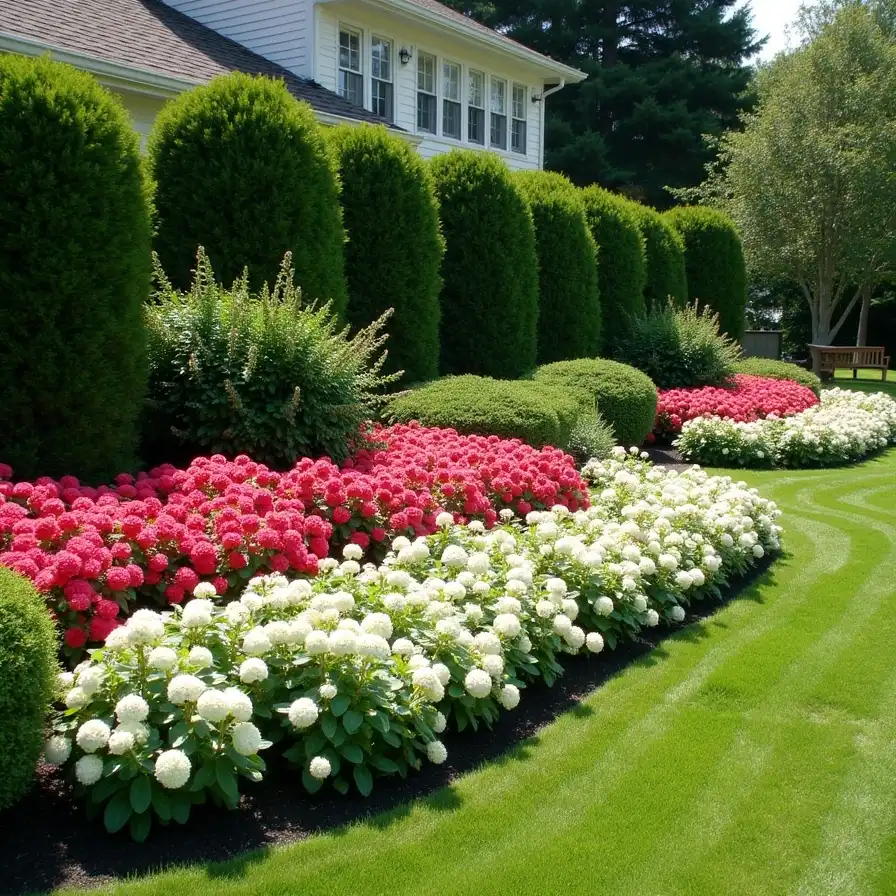
Buying one of every plant can make a garden look busy.
It can also make care harder. Each plant may have a different watering schedule, pruning time, or soil need.
Instead, choose three to five reliable plant types and repeat them.
A simple bed might include evergreen shrubs at the back, flowering perennials in the middle, and groundcover along the front edge.
Plant flowers in groups rather than scattering single plants across the bed. Grouped flowers create stronger blocks of color. They are also easier for pollinators to find.
Keep taller plants behind shorter plants so every layer remains visible.
Leave room for mature growth. Do not fill every open space on planting day. Small gaps can be covered with mulch while plants grow.
Repeated plants make it easier to remember what each section needs. You can often prune, water, or divide several plants at the same time.
Best for: Busy flower beds and beginner gardeners
Upfront effort: Medium
Ongoing care: Low
Budget: Medium
Main task reduced: Complicated plant care
10. Group Plants With Similar Water and Sun Needs
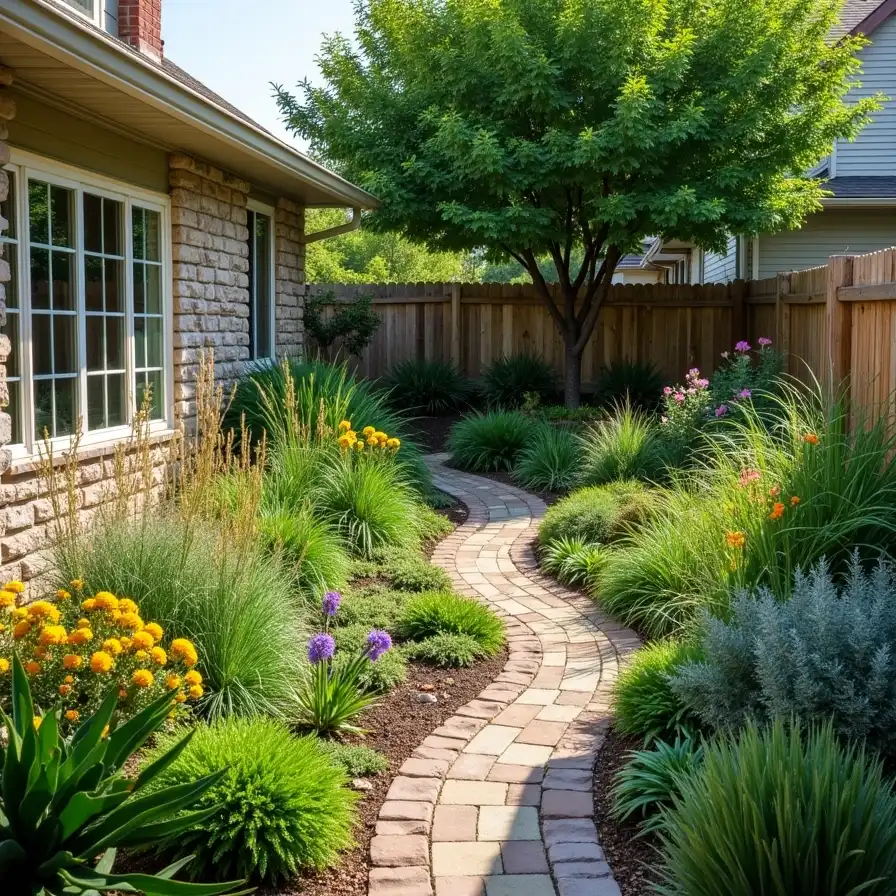
A dry-loving plant and a moisture-loving plant should not share the same small bed.
One will receive too much water, or the other will receive too little.
Group plants by sunlight, soil, and water needs. This method is sometimes called hydrozoning. It means placing plants with similar care needs together.
Create a dry zone for drought-tolerant grasses and flowers. Use another zone for plants that prefer moist soil. Keep shade plants beneath trees or on the cooler side of the house.
You can use the same idea for containers. Place pots that need daily water near the hose. Keep drought-tolerant pots in another group.
This setup makes watering faster. It also reduces plant stress caused by uneven care.
Walk through your yard and mark two or three main care zones. You do not need a complex drawing. A simple sketch on paper is enough.
Best for: Mixed beds and yards with several growing conditions
Upfront effort: Low
Ongoing care: Low
Budget: Low
Main task reduced: Watering and plant replacement
11. Add Mulch to Reduce Weeds and Dry Soil
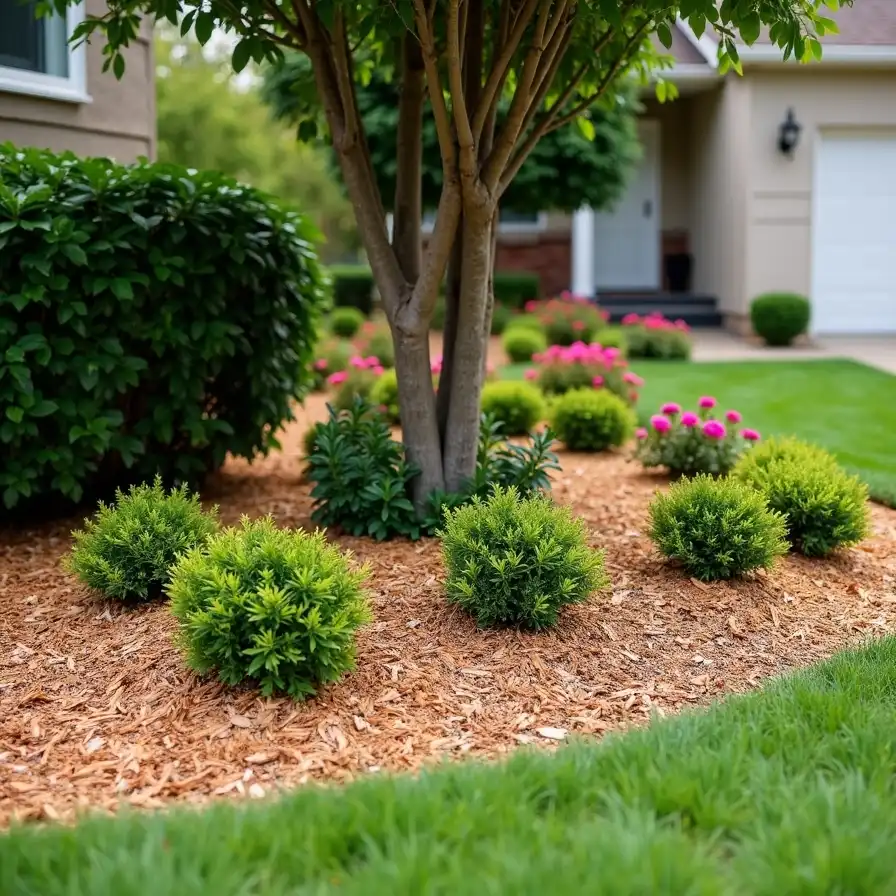
Mulch is one of the fastest ways to reduce yard work.
It covers open soil, slows moisture loss, and blocks some weed growth. Organic mulch can also improve the soil as it breaks down.
Shredded bark works well in decorative beds. Wood chips can cover larger informal areas. Shredded leaves can be a low-cost choice for garden beds.
Apply mulch in an even layer. Do not pile it against plant stems, shrub bases, or tree trunks.
Deep piles around trees are often called mulch volcanoes. They can hold moisture against the bark and lead to damage.
Check the existing mulch before adding more. You may only need to loosen and spread it. Do not add a thick new layer every year without checking the depth.
Gravel can work as mulch in some dry landscapes. However, it may hold heat and make future planting harder.
Best for: Flower beds, shrubs, and trees
Upfront effort: Low
Ongoing care: Seasonal
Budget: Low to medium
Main task reduced: Weeding and watering
12. Install Edging to Stop Grass From Spreading
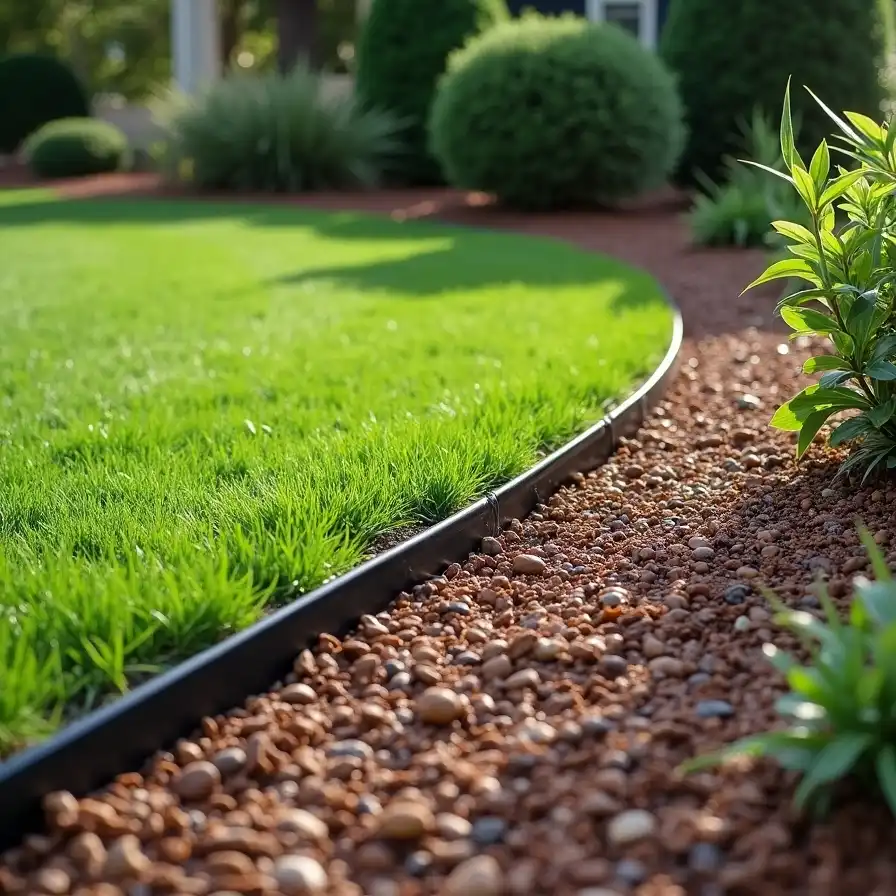
Grass often creeps into flower beds.
This creates extra trimming and makes bed lines look untidy. A clear edge can stop much of that spread.
Metal edging creates a clean look and works well in modern yards. Brick and stone suit traditional homes. Concrete mowing strips can create a firm edge for mower wheels.
A simple spade-cut trench is a cheaper option. It looks neat but may need to be recut during the growing season.
Avoid thin plastic edging that lifts out of the ground or bends out of shape.
Keep the bed line simple. Long curves are easier to mow beside than several tight turns.
Install edging at the correct depth for the material. Add a stable base below brick or stone so it does not shift.
A good border makes mowing faster and keeps mulch inside the bed.
Best for: Beds beside lawns and paths
Upfront effort: Medium
Ongoing care: Low
Budget: Low to medium
Main task reduced: Trimming and bed cleanup
13. Choose Slow-Growing and Disease-Resistant Plants
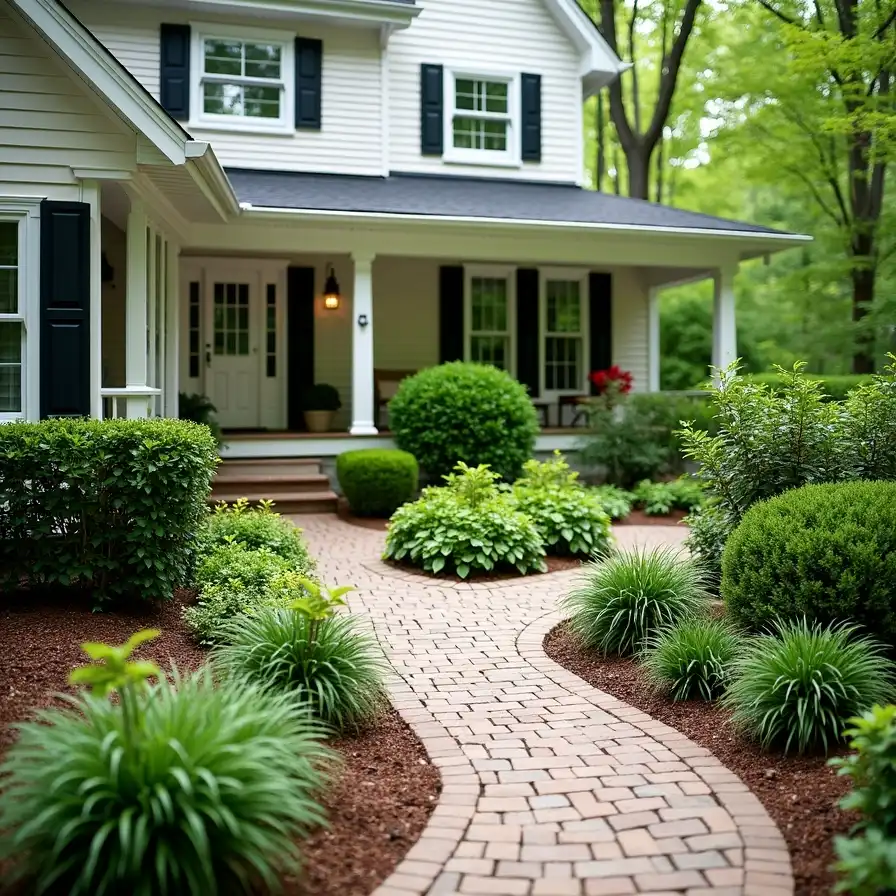
Fast growth may sound like a benefit, but it often means more work.
A fast-growing shrub can block a window or cover a path within a few years. You may need to cut it back several times each season.
Choose plants that fit the available space at maturity.
Before buying, check:
- Mature height
- Mature width
- Growth rate
- Sun needs
- Soil needs
- Hardiness zone
- Disease resistance
The word “compact” does not always mean slow-growing. A compact plant may still spread quickly.
Ask local garden experts which plants commonly suffer from pests or diseases in your area. Choose resistant varieties when they are available.
Take a photo of the plant label before leaving the nursery. You can use it later to check spacing, watering, and pruning needs.
The right plant may grow more slowly, but it will create far less work over time.
Best for: Foundation beds, hedges, and small yards
Upfront effort: Low
Ongoing care: Low
Budget: Medium
Main task reduced: Pruning and plant treatment
14. Install Drip Irrigation to Make Watering Easier
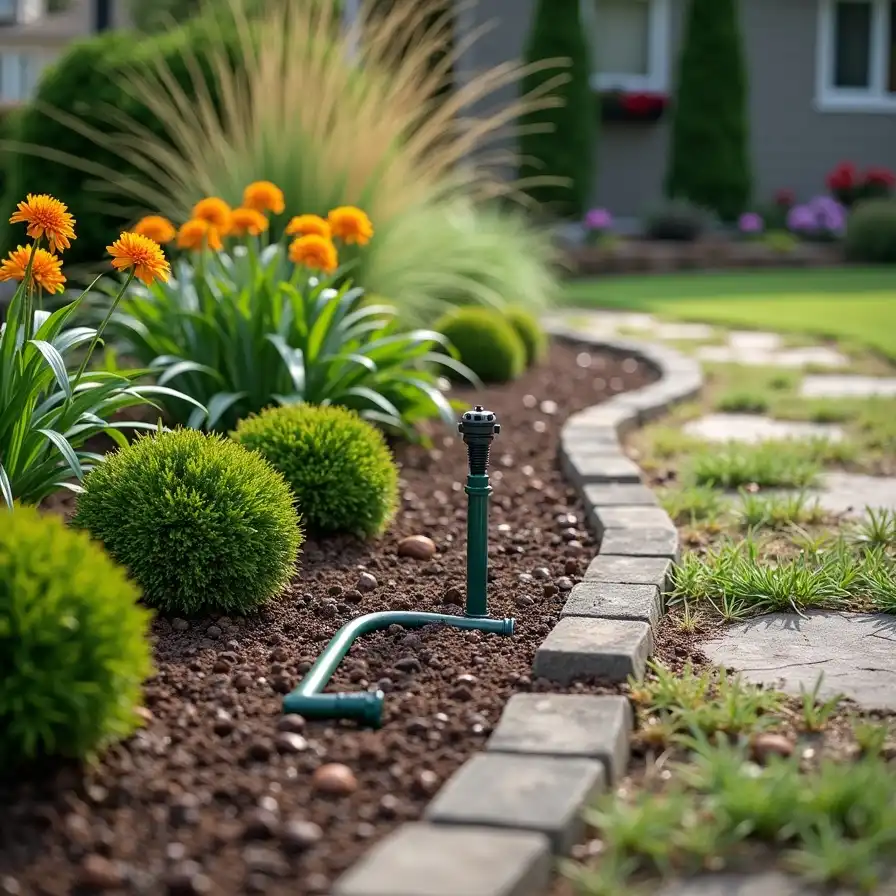
Moving a hose around the yard can take a lot of time.
Drip irrigation sends water close to plant roots. It can reduce water sprayed onto paths, walls, and empty soil.
Use drip tubing beneath mulch in shrub and flower beds. Adjustable emitters can water large containers. A soaker hose can be a simpler starting choice for a small bed.
Create separate watering zones for lawn, shrubs, containers, and vegetable beds. Each group may need a different schedule.
Drip irrigation still needs basic care. Check the lines at the start of each season. Look for blocked emitters, leaks, loose parts, and damage from tools or animals.
Do not bury parts that need regular checks. Follow the product instructions when covering lines with mulch.
A well-planned system can reduce daily watering work and help plants receive a steady amount of moisture.
Best for: Flower beds, containers, and shrubs
Upfront effort: Medium
Ongoing care: Low
Budget: Medium
Main task reduced: Hand watering
15. Use a Smart Controller to Prevent Unneeded Watering
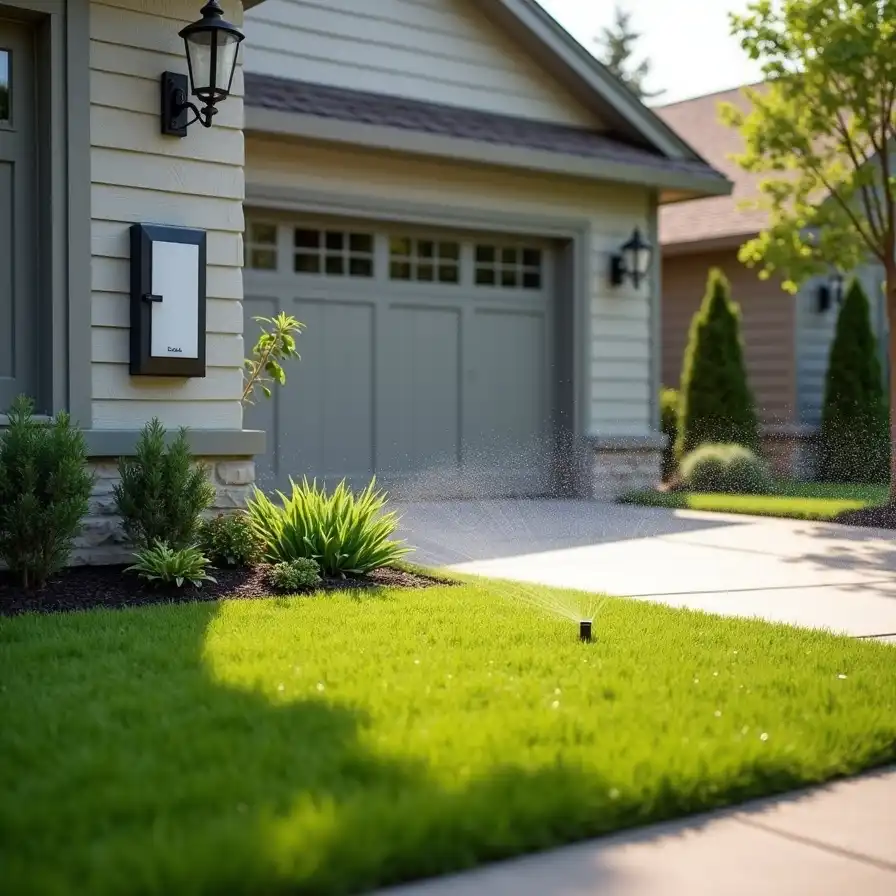
A basic irrigation timer follows the same schedule unless you change it.
It may water during cool weather or soon after rain. A smart controller can adjust watering based on weather or soil moisture.
Weather-based controllers use local conditions to change the watering schedule. Soil-moisture controllers check whether the soil needs water before starting the system.
EPA WaterSense reports that a weather-based controller can save an average home close to 7,600 gallons of water each year. Soil-moisture-based models may save even more in homes with automatic irrigation.
Savings will vary. A controller cannot fix leaking pipes, broken sprinkler heads, or poor system design.
Check the system each season. Make sure water reaches plants rather than roads, walls, and sidewalks.
Some water companies offer rebates for approved controllers. Check local programs before buying.
Best for: Yards with automatic irrigation
Upfront effort: Medium
Ongoing care: Low
Budget: Medium to high
Main task reduced: Irrigation adjustments
16. Add Gravel, Stone, or Permeable Paths
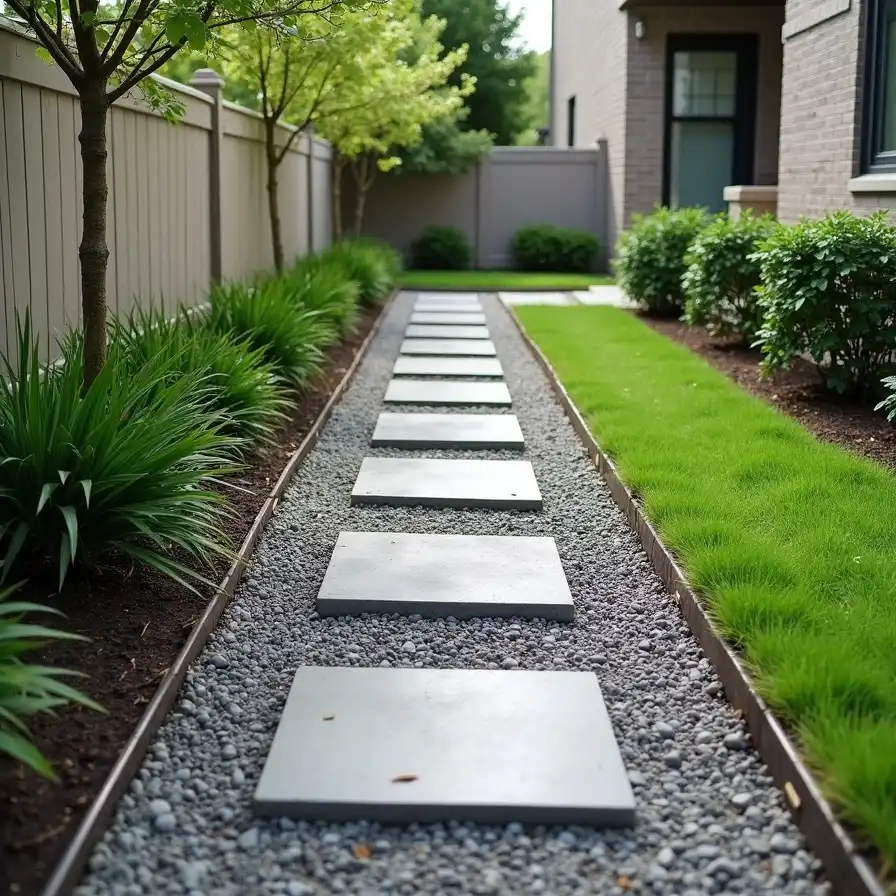
Some yard areas never grow well.
A side yard may receive too little light. A busy route between the patio and gate may turn into mud. A hot corner may dry out too quickly for common plants.
Use hardscape in these problem areas.
A gravel path can cover a narrow side yard. Stepping stones can guide people through a garden bed. Permeable pavers can create a firmer surface while allowing some water to enter the ground.
Prepare the base before adding gravel or stone. Remove weak soil when needed. Compact the base and install strong edging to stop loose material from spreading.
Do not cover the entire yard with rock. Large stone areas can hold heat, reflect light, and make future planting harder.
Use hardscape where it solves a clear problem. Soften the area with a few suitable shrubs, grasses, or groundcovers.
Best for: Paths, side yards, and areas with poor grass growth
Upfront effort: Medium to high
Ongoing care: Low
Budget: Medium to high
Main task reduced: Mowing and mud cleanup
17. Turn an Unused Corner Into a Mini Meadow
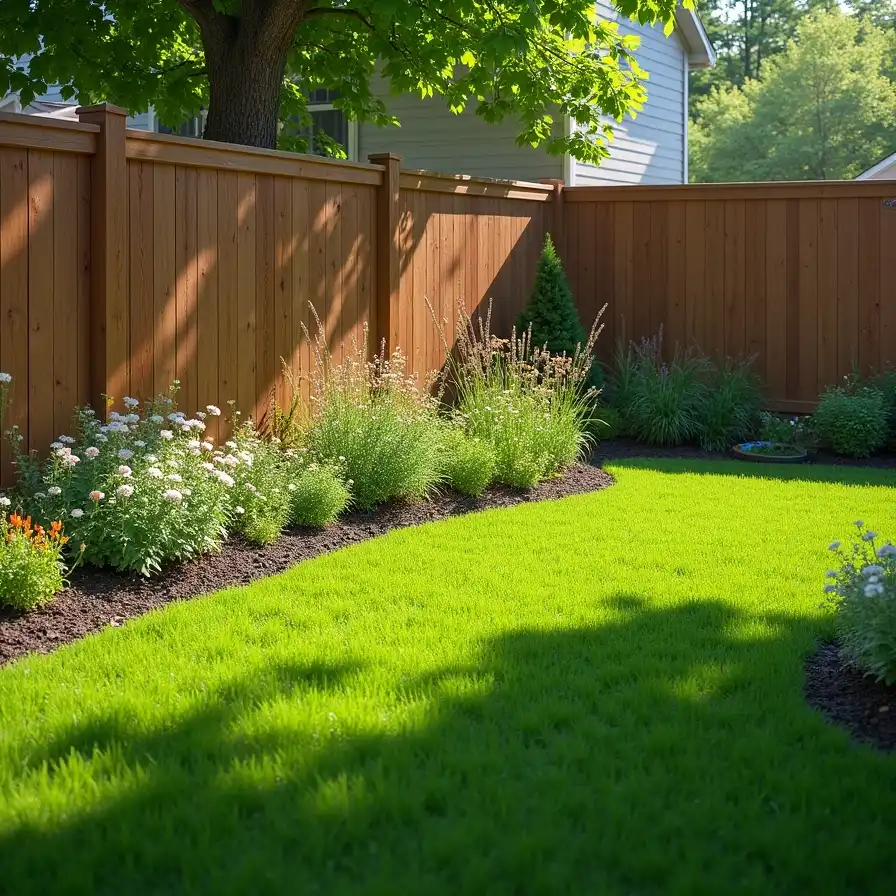
A small meadow can replace grass in an area that does not need a formal look.
Good locations include a sunny back corner, a wide area beside a fence, or a section beyond the main lawn.
Use native grasses and wildflowers suited to your region. Choose plants that bloom at different times so the area provides color through several seasons.
A meadow needs careful preparation. Remove weeds before planting. Do not scatter seeds over an existing lawn and expect good results.
The first year may require regular weed control and watering. Once established, the meadow may need only one or two planned cutbacks each year.
Keep a clear edge around the meadow. A mowed strip, path, fence, or low border will make the space look planned rather than forgotten.
Start with a small section. Expand it after you see how the plants perform.
Best for: Large yards, sunny corners, and pollinator areas
Upfront effort: High
Ongoing care: Low after establishment
Budget: Low to medium
Main task reduced: Mowing and watering
Compare the Best Low-Maintenance Yard Ideas
The right choice depends on your budget and the task you want to reduce.
| Idea | Upfront Cost | Upfront Work | Ongoing Care | Main Benefit |
| Reduce lawn | Low to medium | Medium | Low | Less mowing |
| Low-mow lawn | Medium | Medium | Medium | Fewer cuts |
| Native plants | Medium | Medium | Low later | Less watering |
| Drought-tolerant plants | Medium | Medium | Low | Lower water use |
| Perennials | Medium | Medium | Low | Less replanting |
| Evergreen shrubs | Medium to high | Medium | Low | Year-round structure |
| Ornamental grasses | Low to medium | Low | Low | Less pruning |
| Groundcovers | Medium | Medium | Low later | Fewer weeds |
| Mulch | Low | Low | Seasonal | Weed control |
| Edging | Low to medium | Medium | Low | Less trimming |
| Drip irrigation | Medium | Medium | Low | Easier watering |
| Smart controller | Medium to high | Medium | Low | Less water waste |
| Gravel paths | Medium to high | Medium | Low | Less mud and mowing |
| Mini meadow | Low to medium | High at first | Low later | Less lawn care |
You do not need to choose the most expensive option. Mulch, simple edging, grouped plants, and a smaller lawn can make a clear difference without a full yard rebuild.
Build a Better Yard One Problem Area at a Time
A low-maintenance yard starts with better choices, not more products.
Keep lawn where you use it. Replace weak plants with ones that suit the site. Cover bare soil. Group plants with similar needs. Use stone and paths in areas where grass keeps failing.
Some projects require more work at the start. New plants need time to grow, and a meadow needs early weed control. The benefit comes later when weekly care becomes easier.
Choose the one part of your yard that creates the most work. Apply one or two changes there first. Then use what you learn in another area.
The best low-maintenance landscaping ideas are the ones that fit your climate, budget, space, and normal routine.