
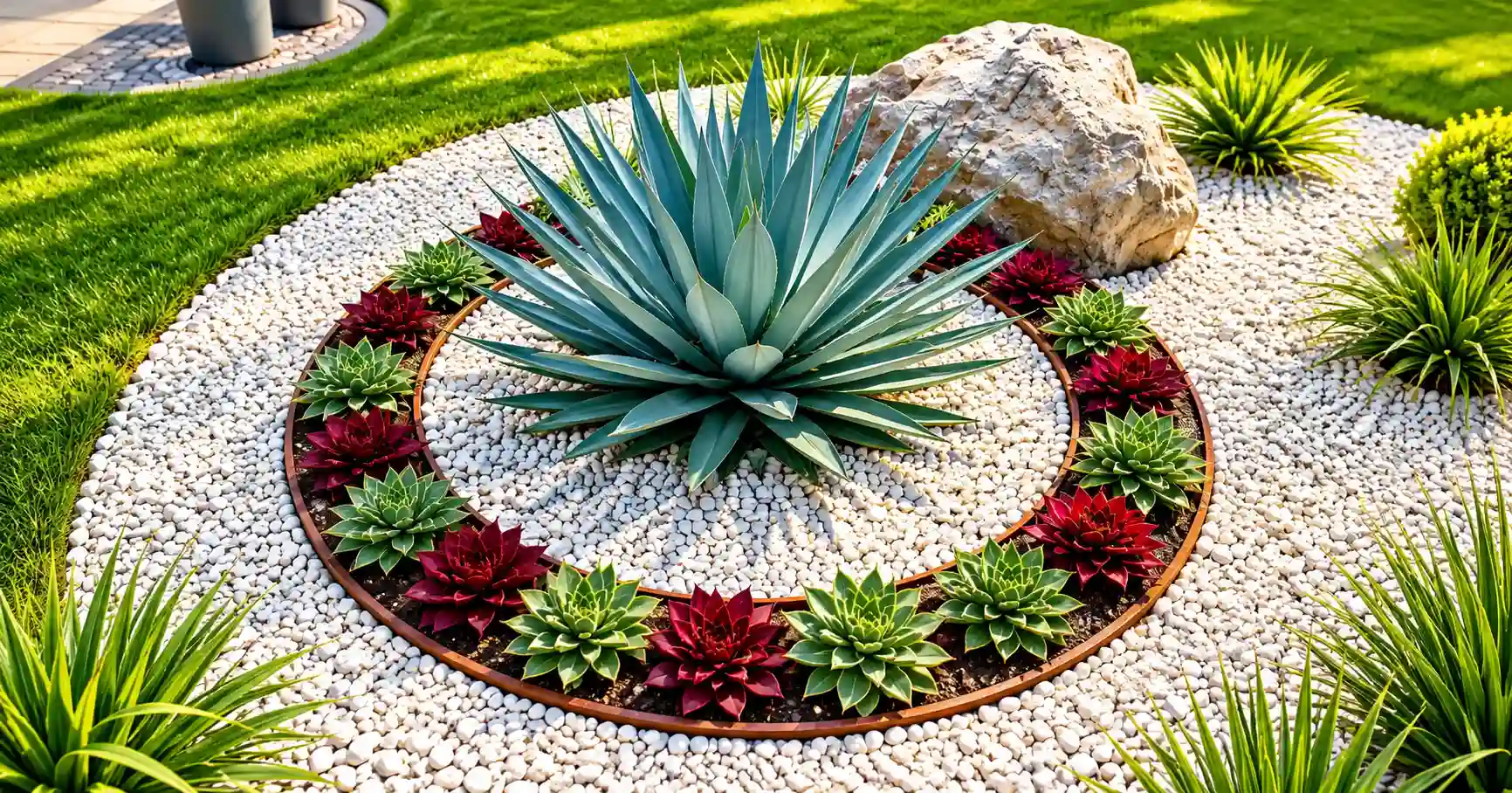
A dull yard can make your whole home look tired. You may have healthy plants and a neat lawn, but the space can still feel unfinished.
White landscape rocks offer a simple way to add contrast and clean borders. They can brighten dark corners, define paths, and reduce the amount of grass you need to care for.
Still, white rock is not perfect for every space. Small stones may scatter. Bright rock can reflect heat. Leaves and dirt can also make the surface look messy.
The best white rock landscaping ideas use the right stone size, strong edging, and plants suited to the site. You do not need to cover the whole yard. In most cases, white rock looks better when used as a border, background, or small focal area.
Below, you will find 20 practical ideas for front yards, flower beds, paths, patios, drainage areas, and small outdoor spaces.
How to Choose White Landscaping Rocks That Fit Your Yard
White landscaping rock comes in many shapes, sizes, and shades. Some stones look bright white. Others have cream, gray, or soft tan marks.
The right choice depends on where you plan to use it.
Compare Marble Chips, Limestone, and River Rock
White marble chips have a bright and polished look. They work well in modern beds and along dark walkways. However, they may create strong glare in full sun.
Crushed limestone has a softer cream color. Its rough edges help the pieces stay in place. This makes it a useful choice for paths and borders.
White river rocks have smooth, rounded surfaces. They work well near pools, fountains, and dry creek beds. Larger river rocks are less likely to scatter than small gravel.
Quartz and mixed decorative stones may include gray, clear, or pale pink marks. These color changes can make a large bed look more natural.
Match the Rock Size to the Job
Small gravel works well in flower beds and narrow borders. It fills gaps and creates an even surface.
Medium stones are better near driveways and drainage areas. They are harder for water, tires, and foot traffic to move.
Large rocks can act as focal points. They also make dry creek beds look more natural.
Choose the stone based on the job first. Then compare color and price.
Check Heat and Cleaning Needs
White rock reflects more light than dark mulch or soil. This can make a sunny bed feel hotter for some plants.
Before covering a large area, place a small sample in the yard. Look at it in morning and afternoon light.
You should also check how the stone looks when wet. Some white rocks become gray or cream after rain.
Add a White Rock Border Beside Your Walkway
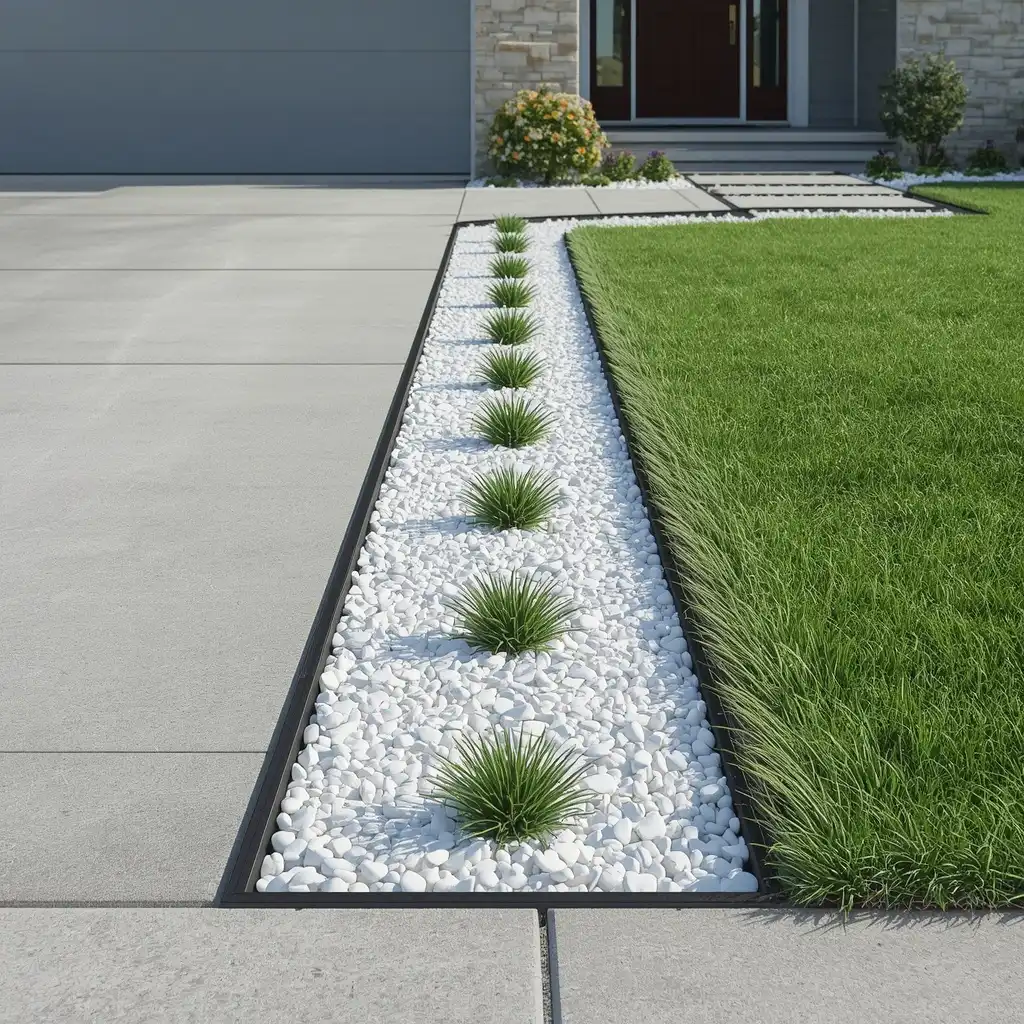
A narrow white rock border can make a plain walkway look more finished. It also creates a clear break between the path and the lawn.
Start with a strip that is about 12 to 18 inches wide. A wider strip may work beside a large walkway, but it can look heavy in a small yard.
Install edging before adding the stone. Steel edging gives a clean modern look. Brick or natural stone creates a softer style.
Add small plants every few feet to break up the white surface. Dwarf grasses, low juniper, sedum, and small flowering plants work well.
Best for: Concrete paths, paver paths, and straight front walks.
Copy this look: White marble chips, gray pavers, black edging, and dark green plants.
Watch out for: Plants that spread across the walkway as they grow.
Create a Clean White Rock Driveway Edge
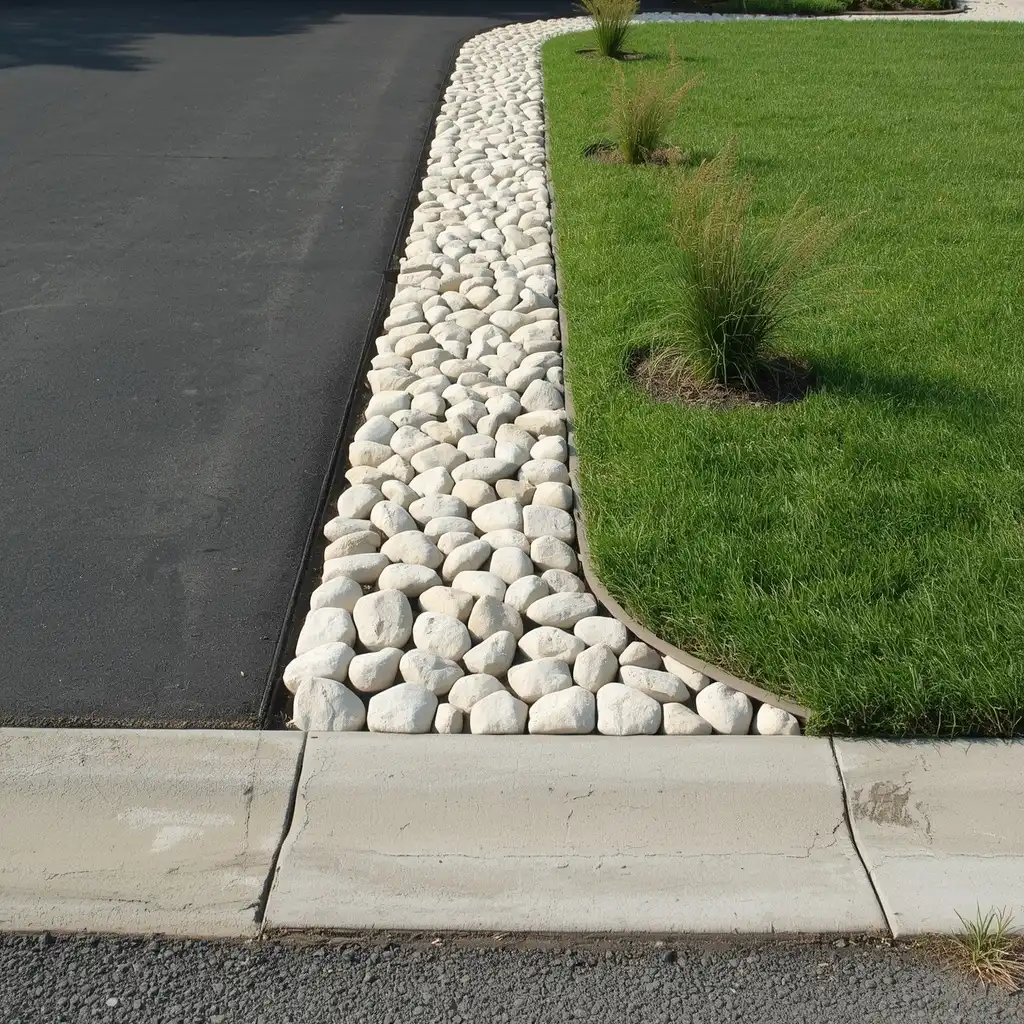
The space beside a driveway often becomes muddy, thin, or full of weeds. A white rock border can cover this problem and create a sharper edge.
Use medium stones instead of tiny gravel. Small pieces can stick in tire treads or spread onto the driveway.
A border between 12 and 24 inches wide works for many homes. Keep the width even from the street to the garage.
This type of white gravel landscaping looks striking beside dark asphalt. It can also soften a large concrete driveway.
Use firm edging between the rock and lawn. Without edging, mowing and tire movement may push the stones out of place.
Best for: Asphalt driveways, wide concrete drives, and homes with simple front yards.
Copy this look: Cream limestone, dark asphalt, and three matching ornamental grasses.
Watch out for: Loose stones near the area where people step out of cars.
Build a Small White Rock Mailbox Garden
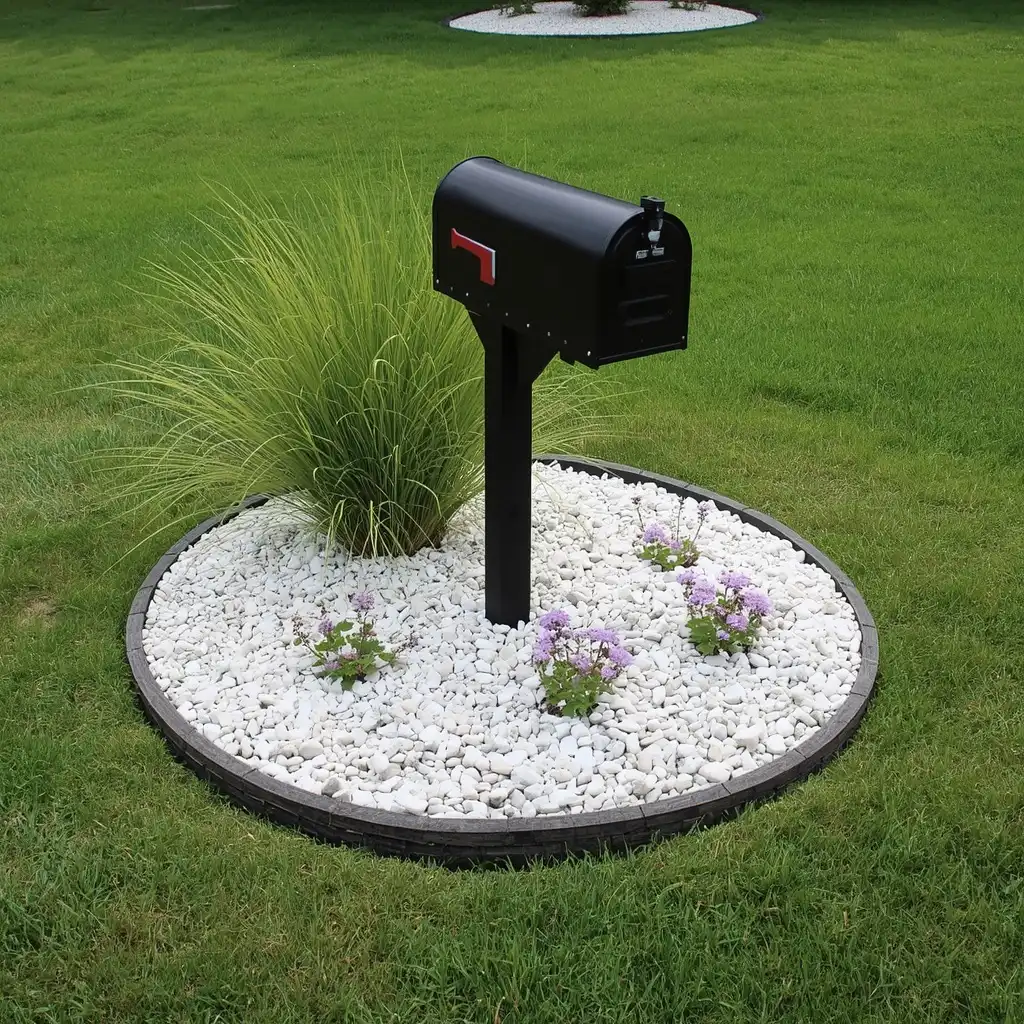
A mailbox garden adds color and shape near the street. It also makes a basic post look like part of the yard.
Create a small circle, square, or curved bed around the mailbox. Keep the shape in scale with the post.
Add white gravel as the ground cover. Then plant one taller grass or compact shrub at the back. Place two or three low flowers near the front.
Choose plants that will not cover the house number. You should also leave enough room for street and lawn care.
A dark mailbox creates strong contrast with pale stone. Black metal, dark bronze, and deep green all work well.
Best for: Plain mailbox posts and open front lawns.
Copy this look: White gravel, a black mailbox, purple flowers, and one small grass.
Watch out for: Large beds that block views near the road.
Brighten a Dark Foundation Bed
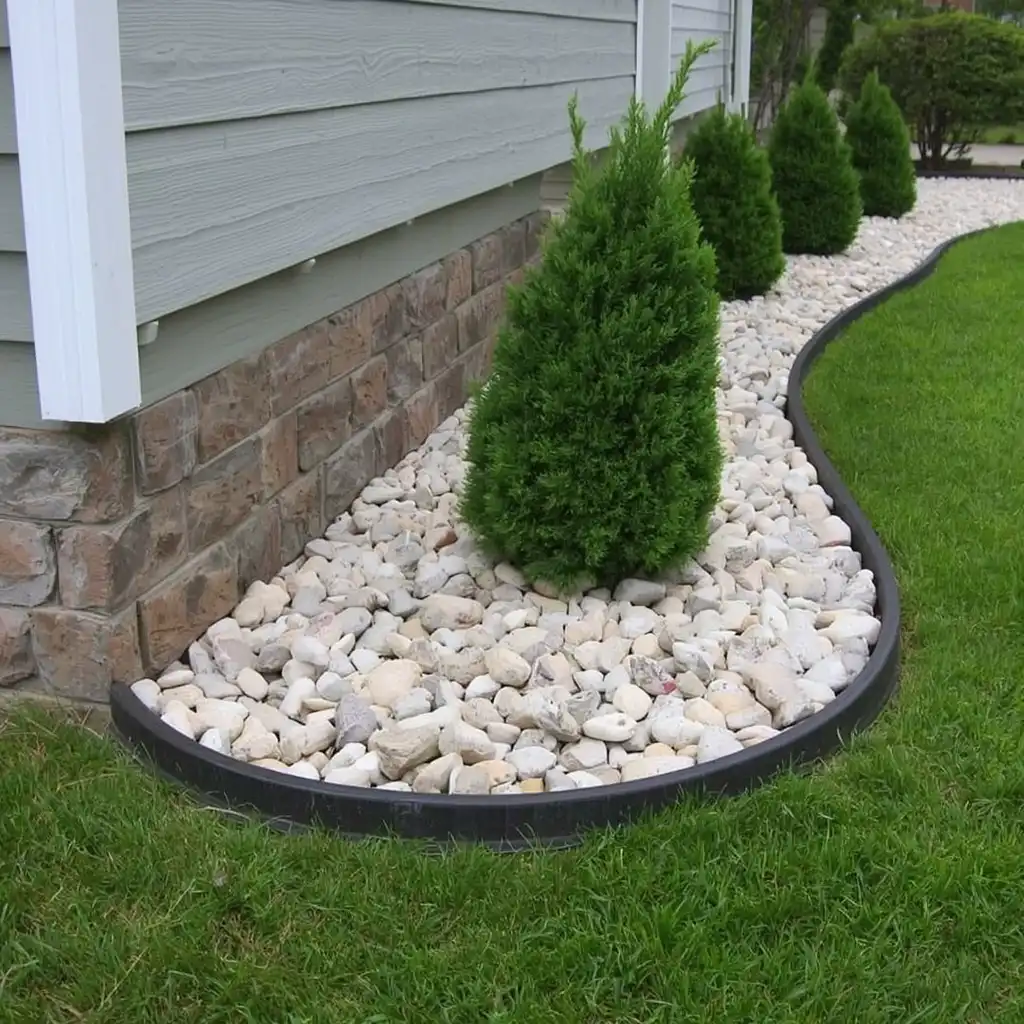
Foundation beds can look dark when they contain thick shrubs and brown soil. White stone can lift the look and help green leaves stand out.
Choose a soft cream or white-gray rock if pure white feels too bright. This often works better with brick, tan siding, or warm paint colors.
Use curved bed lines to soften a flat wall. Add strong edging where the bed meets the lawn.
Do not pile rocks against siding, vents, or wooden trim. Leave a clear gap so you can inspect the wall and manage water.
White rocks cannot fix poor drainage. Water should still move away from the house.
Best for: Shaded entries, brick homes, and beds with evergreen shrubs.
Copy this look: Cream limestone, boxwood shrubs, and a dark metal border.
Watch out for: Covering drainage problems instead of fixing them.
Make a Neat White Rock Tree Ring
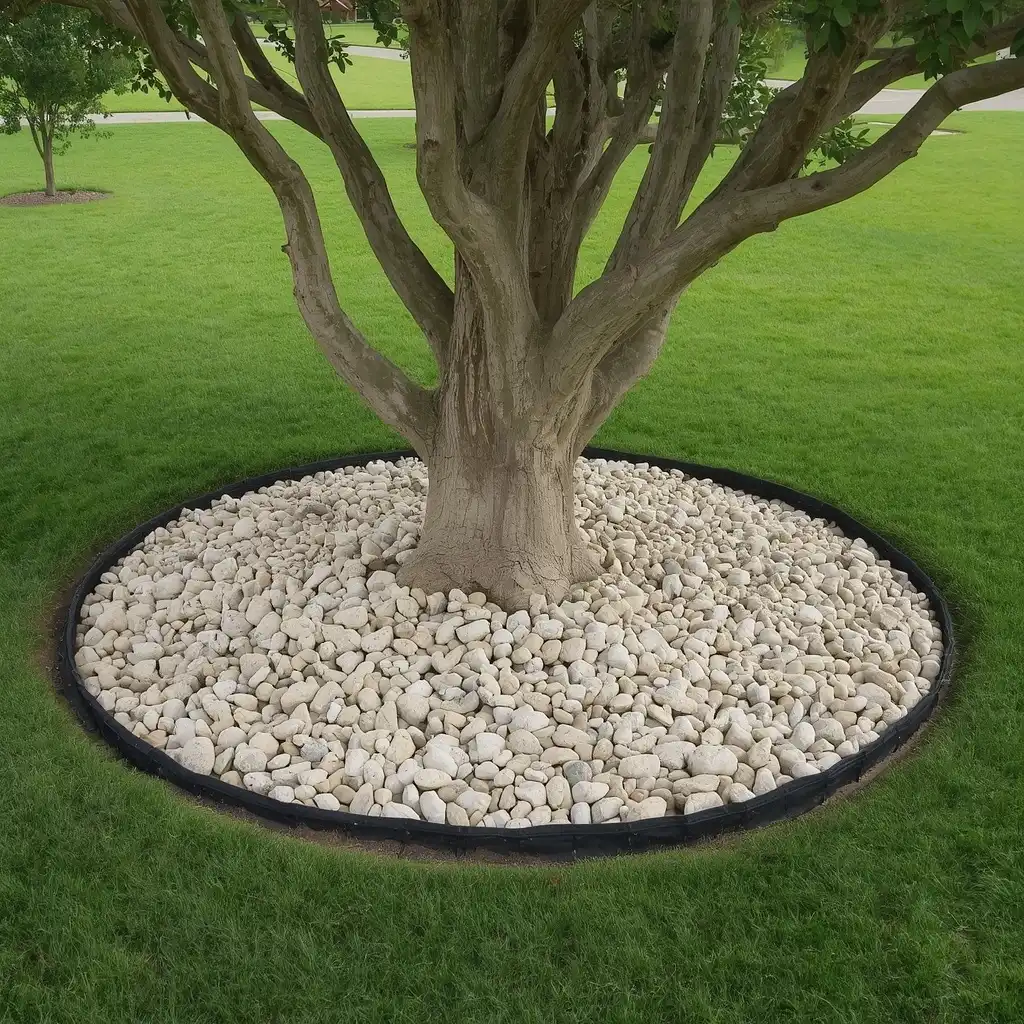
A tree ring can stop grass from growing close to the trunk. It can also give a mature tree a cleaner base.
Create a wide circle rather than a small tight ring. A wider bed looks more natural and reduces trimming around surface roots.
Keep the root flare visible. This is the wider area where the trunk meets the roots.
Never mound stone against the bark. Trapped moisture may damage the trunk over time.
Use larger smooth rocks or medium gravel that will not blow into the lawn. Add edging around the outside of the ring.
Best for: Open lawns with one or two mature trees.
Copy this look: Cream river rock, black edging, and a multi-trunk tree.
Watch out for: Fabric or stone placed tightly around the trunk.
Design a White Rock Succulent Bed
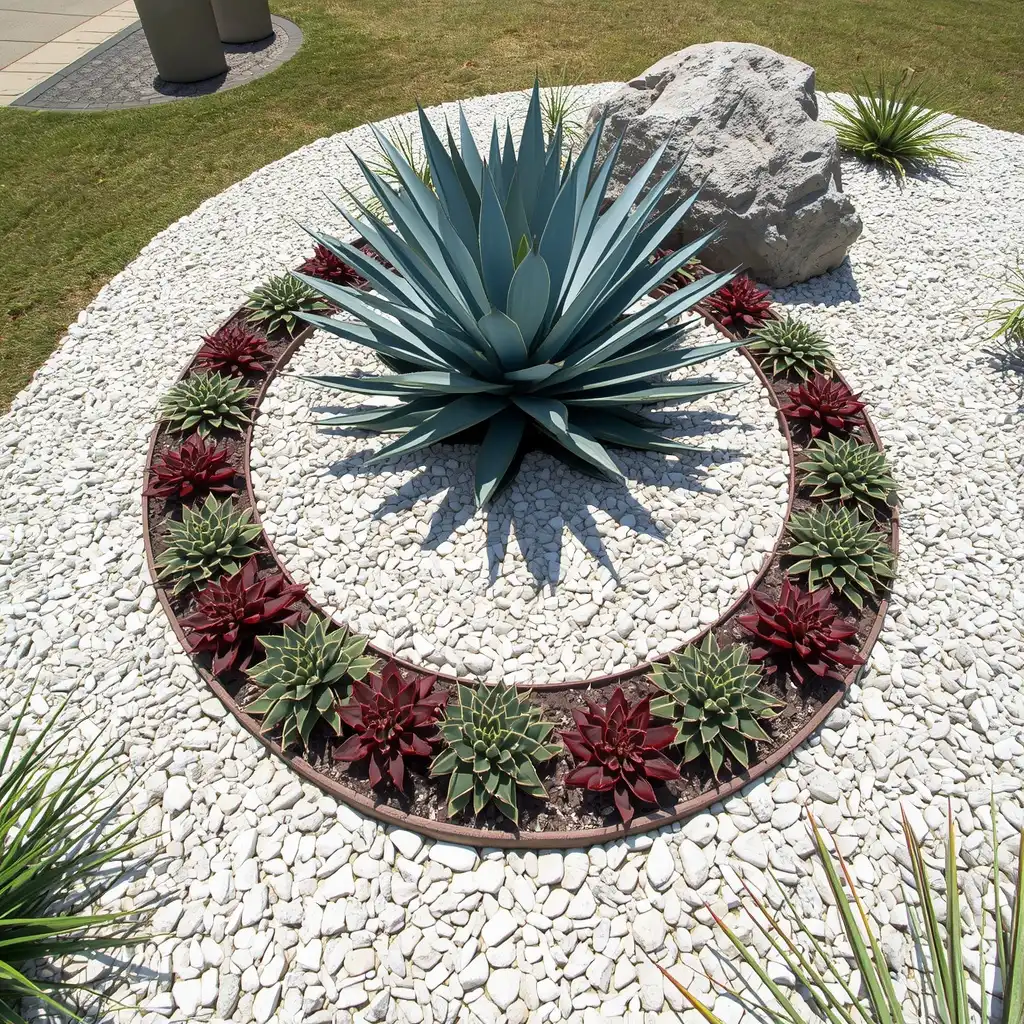
Succulents have bold shapes and rich colors. White gravel helps those colors stand out.
Choose plants that fit your climate. Agave, aloe, sedum, echeveria, and hens and chicks are common options, but they do not all grow well in the same weather.
Place the tallest plant near the back or center. Repeat smaller plants in groups of three or five.
Add one or two larger rocks to anchor the design. This stops the bed from looking like a flat layer of gravel.
Good drainage is key. Succulents may rot in soil that stays wet.
Best for: Sunny beds, dry climates, and modern homes.
Copy this look: White gravel, blue-green agave, burgundy sedum, and one gray boulder.
Watch out for: Using plants that cannot handle local winter cold.
Make a Mediterranean Herb Garden
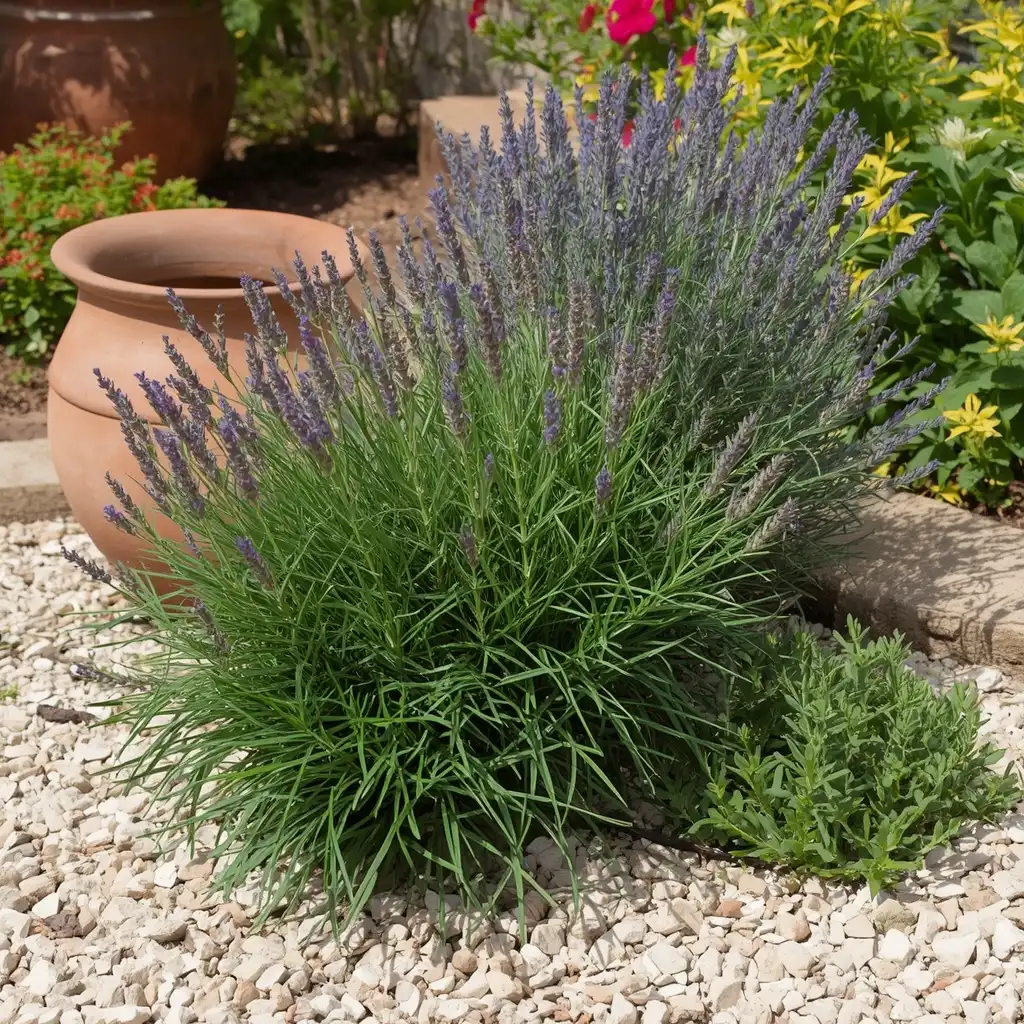
White stone pairs well with herbs that have silver, green, and gray leaves.
Try rosemary, lavender, thyme, oregano, or sage. These plants often prefer sun and soil that drains well.
Place tall rosemary or lavender at the back. Use creeping thyme near the front edge.
Add one terracotta pot to warm up the pale stone. The orange-brown color creates a natural contrast.
This design looks simple, but the plants still need the right climate. Check your winter lows and local rainfall before planting.
Best for: Sunny side yards, kitchen gardens, and raised beds.
Copy this look: Cream gravel, lavender, rosemary, thyme, and one large clay pot.
Watch out for: Heavy soil that holds water around herb roots.
Make Flower Colors Stand Out With White Rocks
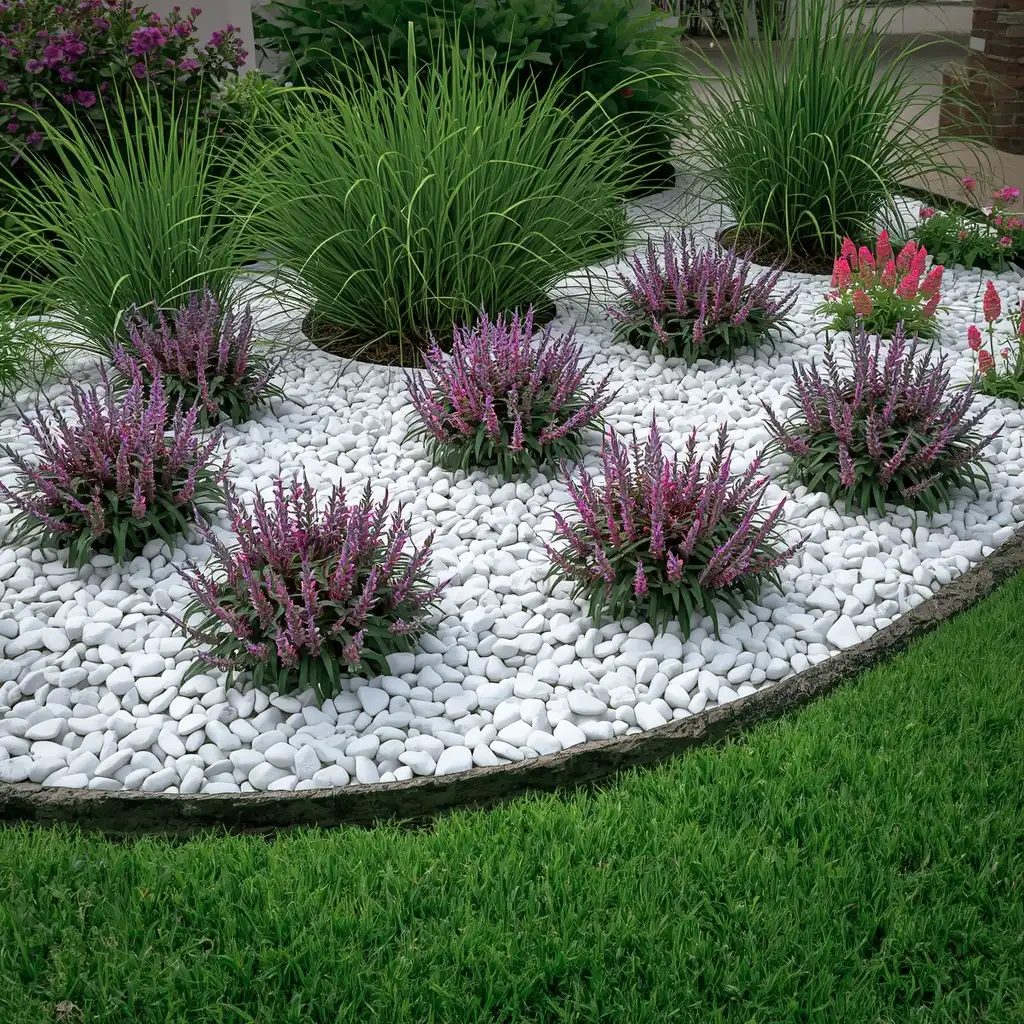
White stone creates a bright background for colorful flowers. Purple, pink, orange, and red blooms can look stronger against pale gravel.
Limit the flower mix to two or three main colors. Too many colors may make the bed feel busy.
Repeat the same plants across the bed. This creates a calm pattern and makes the space easier to care for.
Use dark edging between the white rock and lawn. The darker line will make the bed shape easier to see.
Leave open space between plants. The visible stone is part of the design.
Best for: Front flower beds, cottage gardens, and small entry areas.
Copy this look: White marble chips, purple salvia, pink coneflower, and deep green grass.
Watch out for: Planting too close before the flowers reach full size.
Build a Dry Creek Bed That Handles Runoff
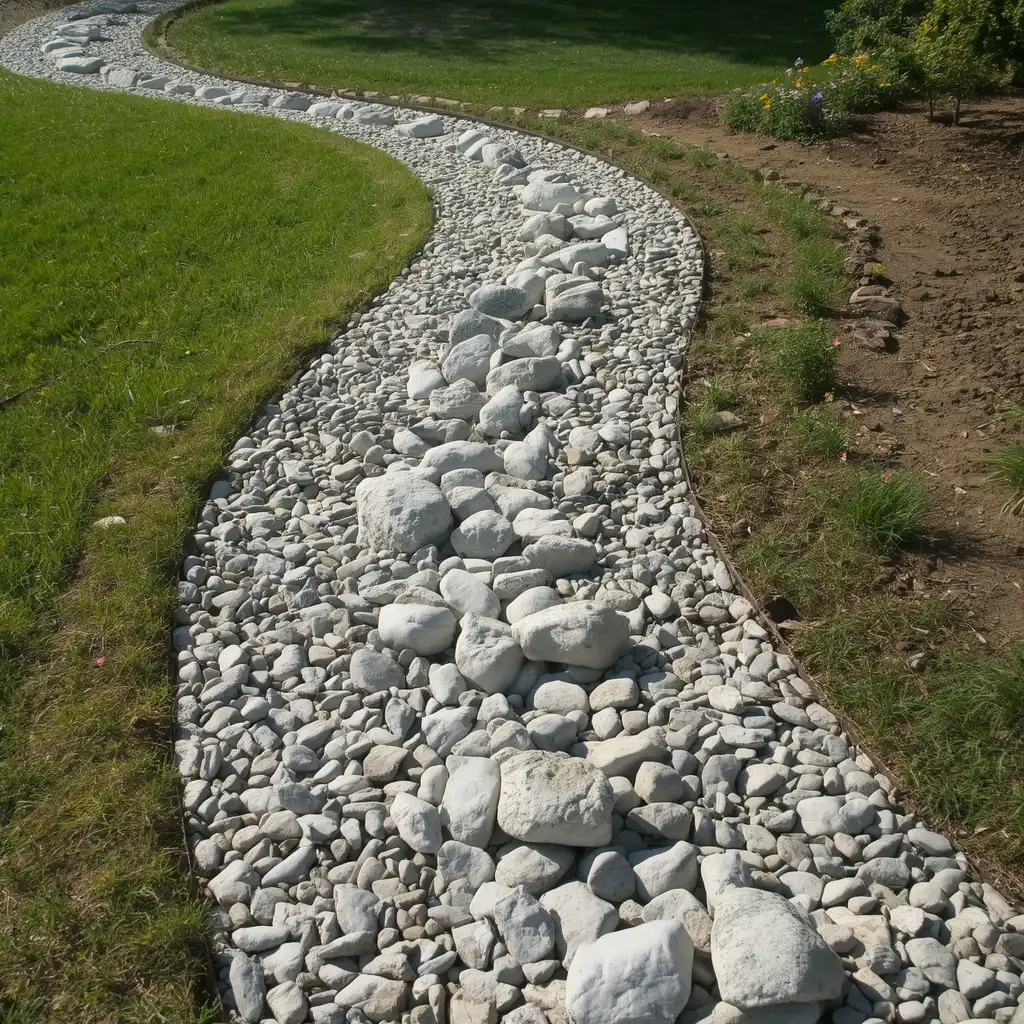
A dry creek bed can guide water through a low or sloped part of the yard. It can also turn a wet problem area into a useful feature.
Shape the channel with gentle curves. Straight channels often look less natural.
Use several stone sizes. Place medium river rocks in the center. Add larger rocks along bends and edges.
Choose white-gray stones instead of one flat bright color. Mixed shades often look more like a real creek.
Direct water to a safe place. Do not send runoff toward your foundation, a public walkway, or a nearby property.
A decorative creek may help with light runoff. Serious drainage problems may need help from a qualified contractor.
Best for: Sloped yards, low areas, and spaces below downspouts.
Copy this look: Pale river rock, gray boulders, native grasses, and low flowers.
Watch out for: Building a channel without checking where the water will end.
Place White Gravel Around Stepping Stones
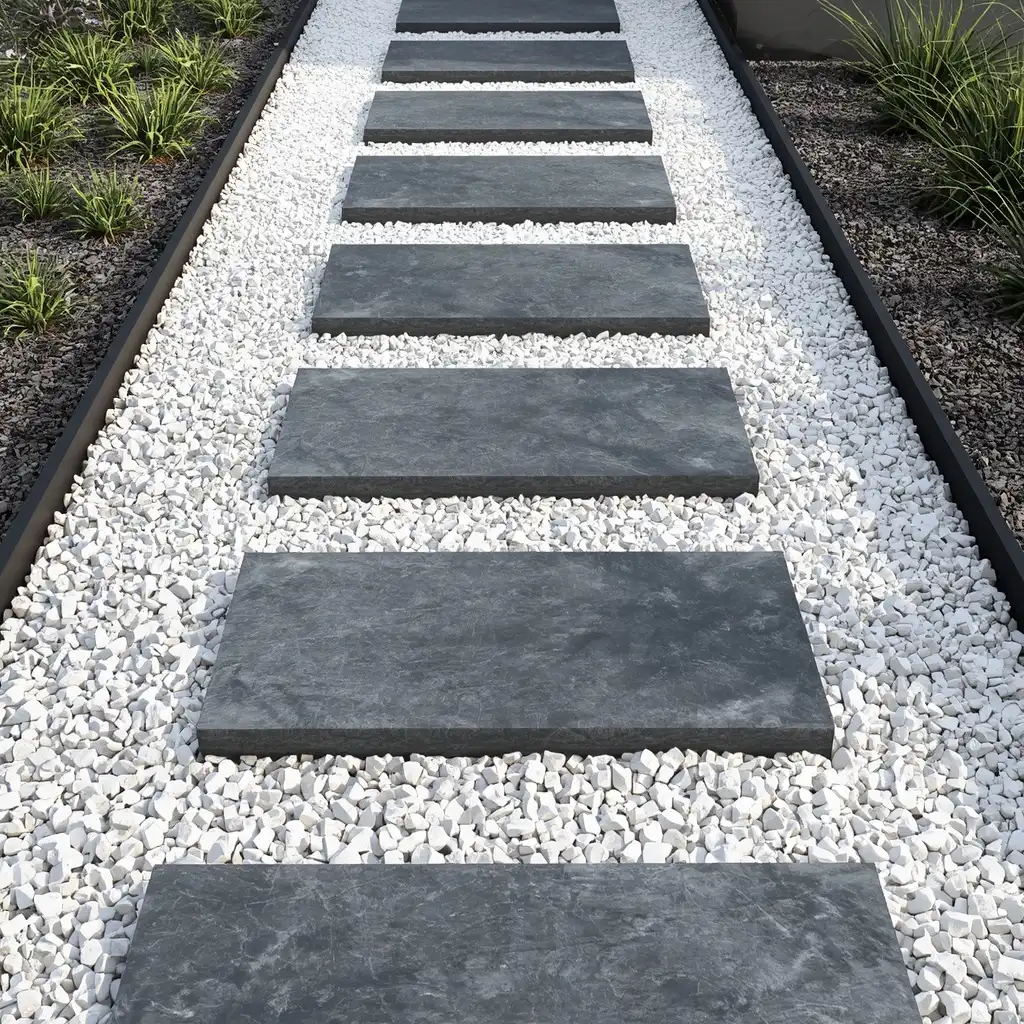
Stepping stones create a firm walking surface while white gravel fills the gaps.
Use large stones or pavers that fit a normal walking step. Test the spacing before fixing them in place.
Each stone needs a stable base. A loose stone can tip, sink, or become a trip risk.
Dark gray pavers create a strong modern look. Irregular natural stones create a softer garden style.
Use angular gravel when you want a firmer surface. Rounded pea gravel may move more under your feet.
Best for: Garden paths, side yards, and short routes between outdoor areas.
Copy this look: White crushed stone, charcoal pavers, and black metal edging.
Watch out for: Smooth pavers that become slippery when wet.
Create a Curved White Gravel Garden Path
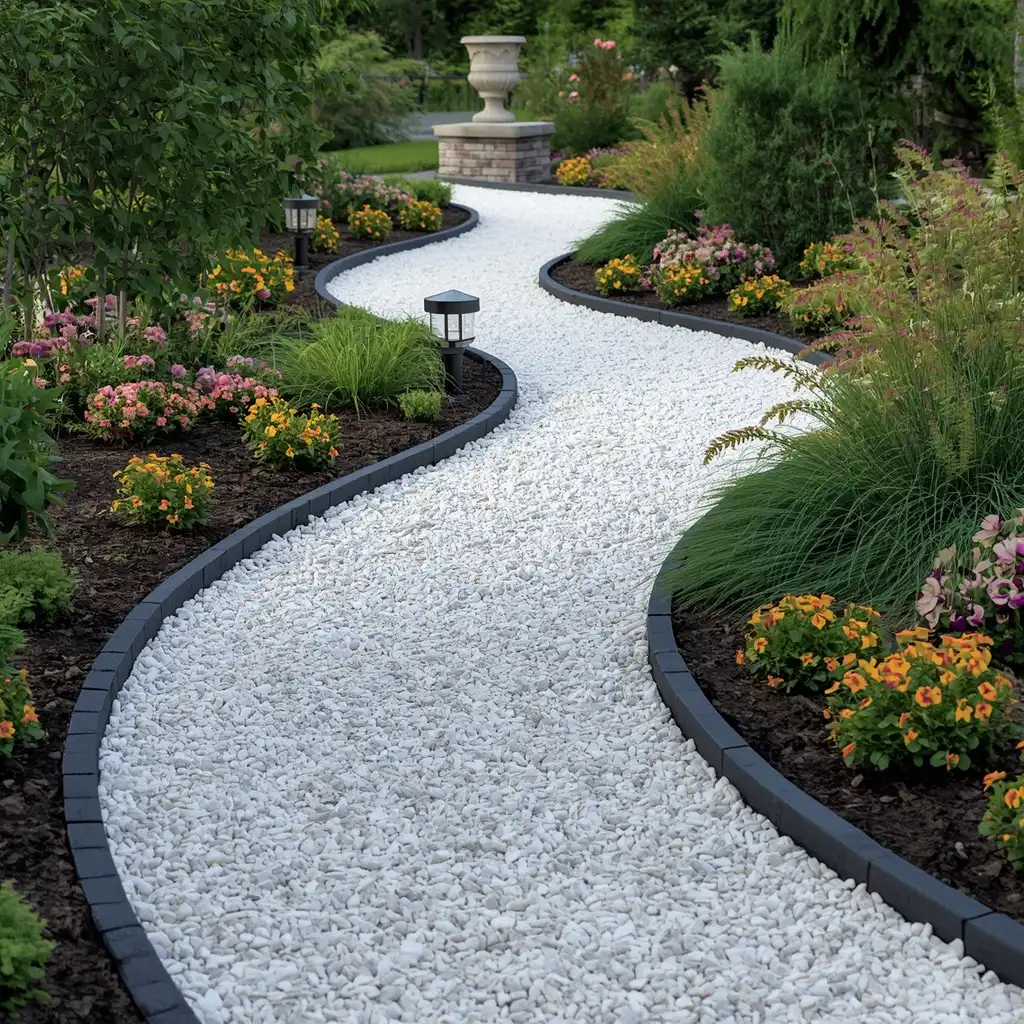
A curved path can make a small garden feel longer. It also guides the eye through different plants and features.
Keep the curves gentle. Sharp turns can feel forced and may be hard to walk through.
Make the path wide enough for comfortable use. A narrow display path can be smaller, while a main path needs more room.
Prepare the ground before adding gravel. Remove weeds, level the area, and add a firm base where needed.
Place a plant, bench, pot, or garden feature near a bend. This gives the curve a clear purpose.
Best for: Flower gardens, cottage yards, and routes to sheds or patios.
Copy this look: White gravel, black edging, low lights, and flowering borders.
Watch out for: Making the path too narrow for tools or wheelbarrows.
Build a Small White Gravel Patio
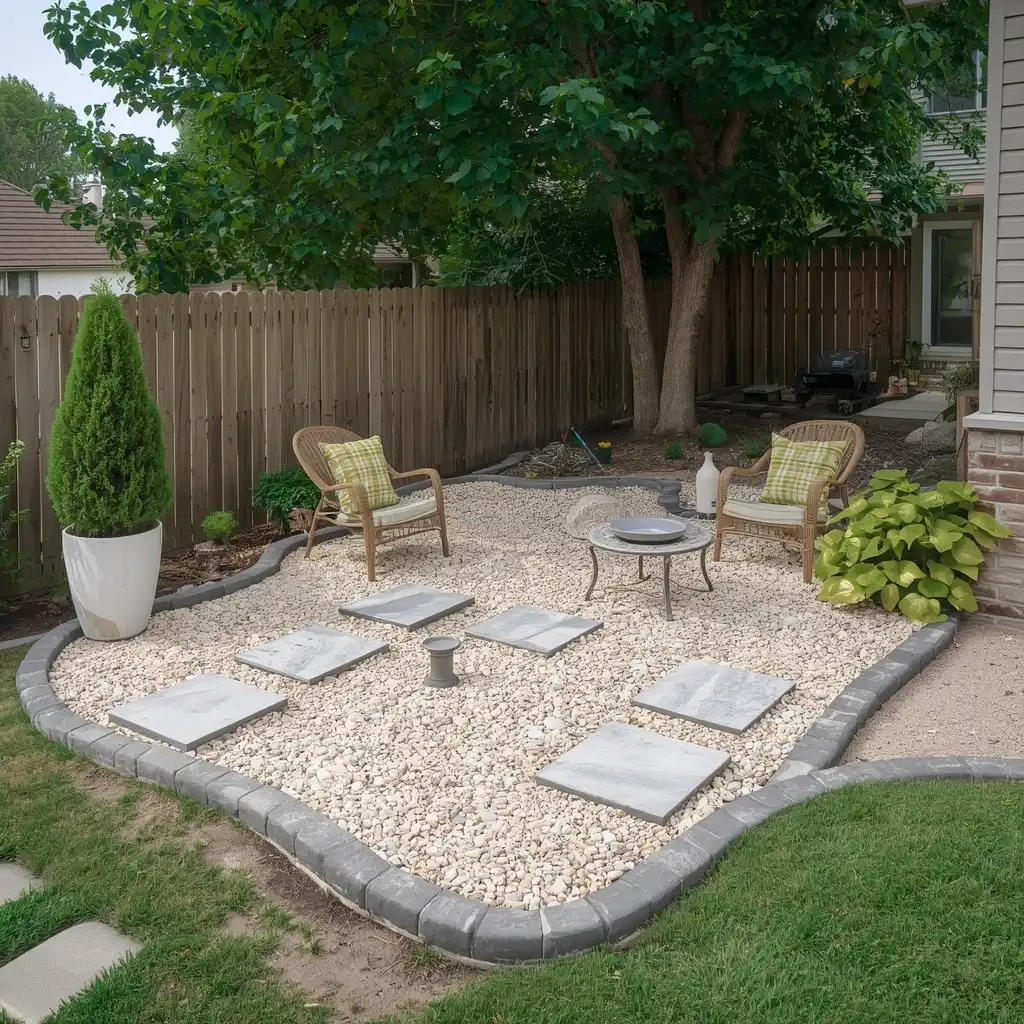
A gravel patio can create a sitting area without pouring a full concrete slab.
Choose a level spot that does not collect water. Clear the area and prepare a compact base.
Add edging on every side. Strong borders stop the gravel from spreading into nearby beds.
Place large pavers under chair and table legs. Furniture may sink or wobble when placed on loose gravel alone.
White rock can feel bright and hot in full sun. Add an umbrella, shade sail, or nearby tree where possible.
A 10-by-10-foot area may hold two chairs, a small table, and one large planter.
Best for: Small yards, rental-friendly designs, and unused garden corners.
Copy this look: Cream gravel, four large pavers, two chairs, and a tall planter.
Watch out for: Building the patio in a spot with poor drainage.
Define a Safer Fire Pit Seating Area
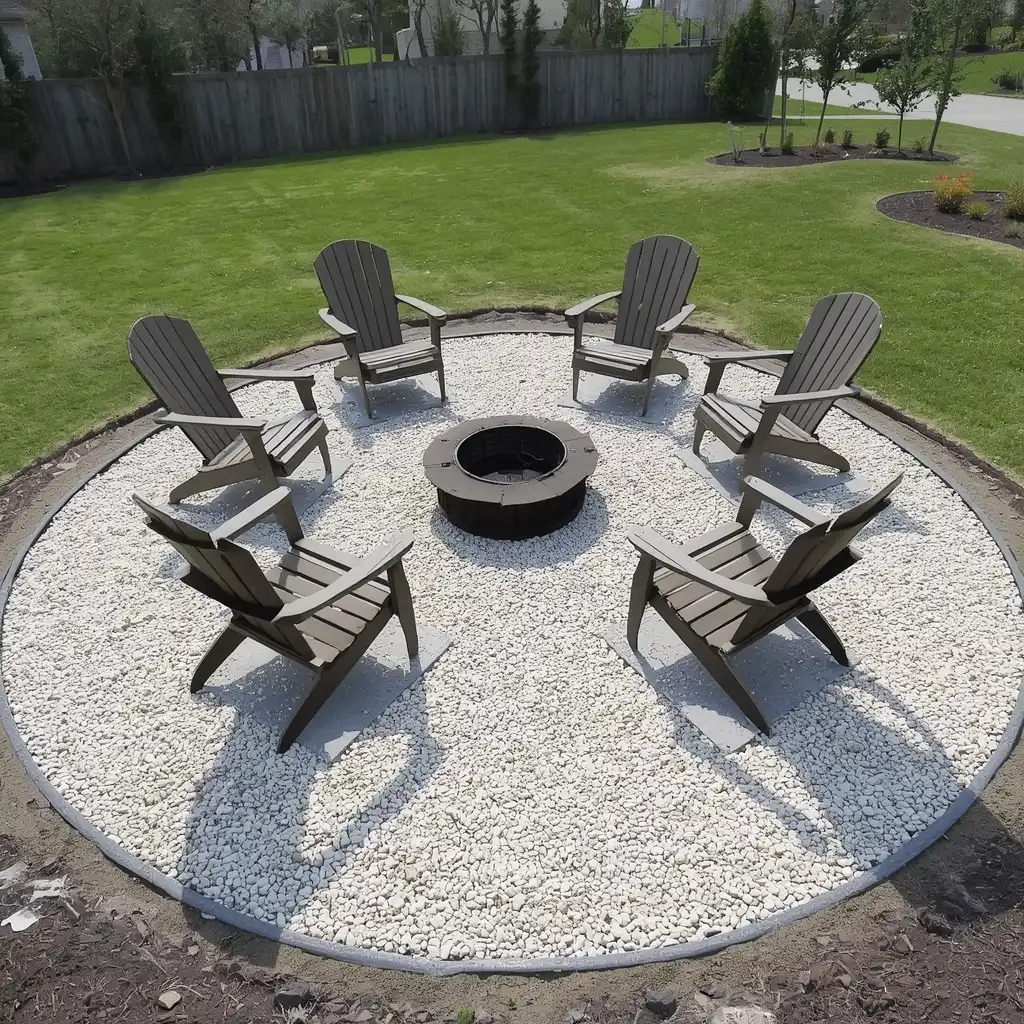
Pale crushed stone can create a clear seating zone around a fire pit. It also helps separate the area from grass and garden beds.
Start by checking local fire rules. Required space may vary based on the fire pit type and location.
Keep chairs on large pavers or a firm base. Loose gravel can make seats lean or shift.
Use materials approved for the fire feature. Some stones may crack when exposed to high heat.
Keep the fire pit away from fences, branches, buildings, and dry plants. Do not depend on gravel alone for fire safety.
Best for: Open backyards with a safe clear zone.
Copy this look: Pale crushed stone, a dark metal fire ring, and concrete pads under each chair.
Watch out for: Using unknown rocks inside the fire pit.
Fix a Narrow Side Yard With White Gravel
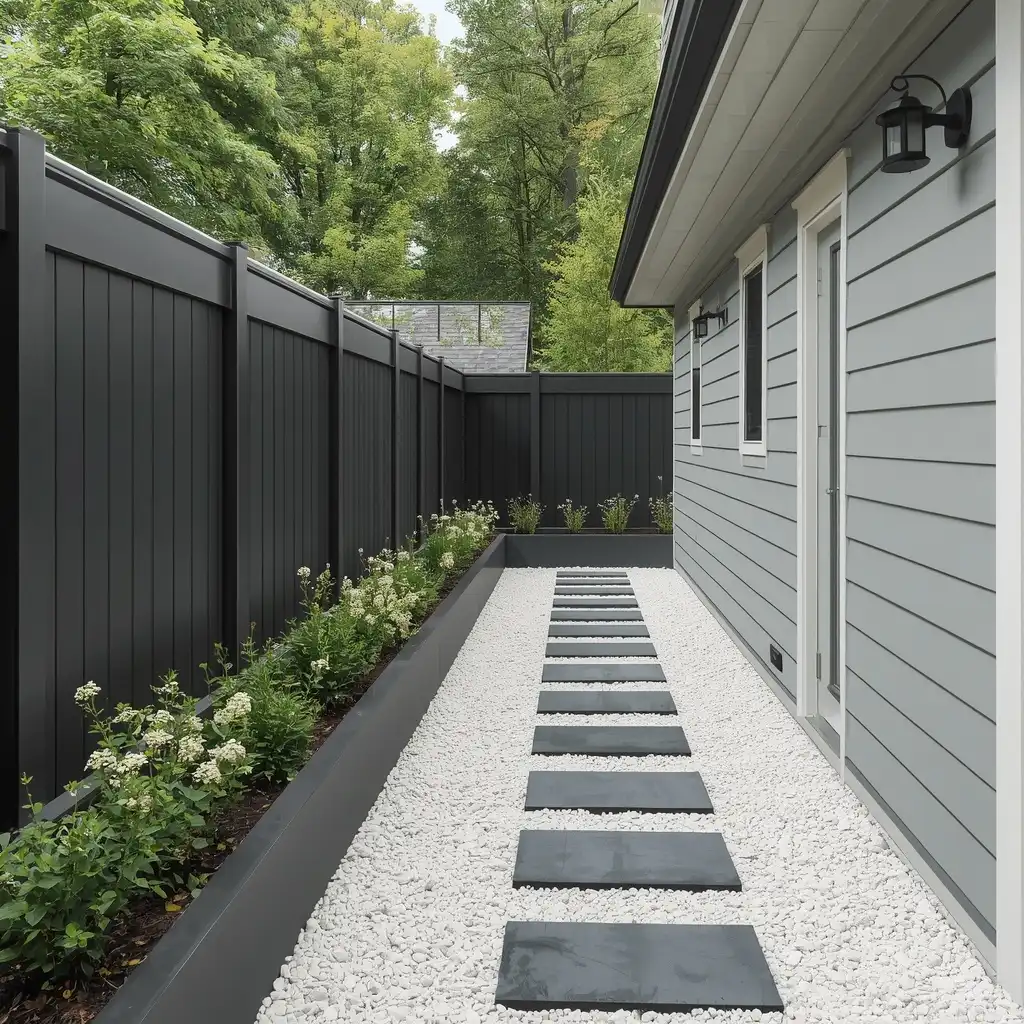
Side yards often struggle with shade, mud, and patchy grass. White gravel can create a cleaner walking area.
Add stepping stones to make the path easier to use. Gray or charcoal stones provide strong contrast.
Use wall planters or narrow pots when floor space is limited. This adds greenery without blocking the path.
Check utility boxes, drains, and access points before starting. You should still be able to reach them.
Add low lights if the area is used at night.
Best for: Shaded side yards, narrow passages, and spaces between buildings.
Copy this look: White gravel, square gray pavers, black wall lights, and slim planters.
Watch out for: Blocking water flow or utility access.
Create a Low-Water White Rock Garden
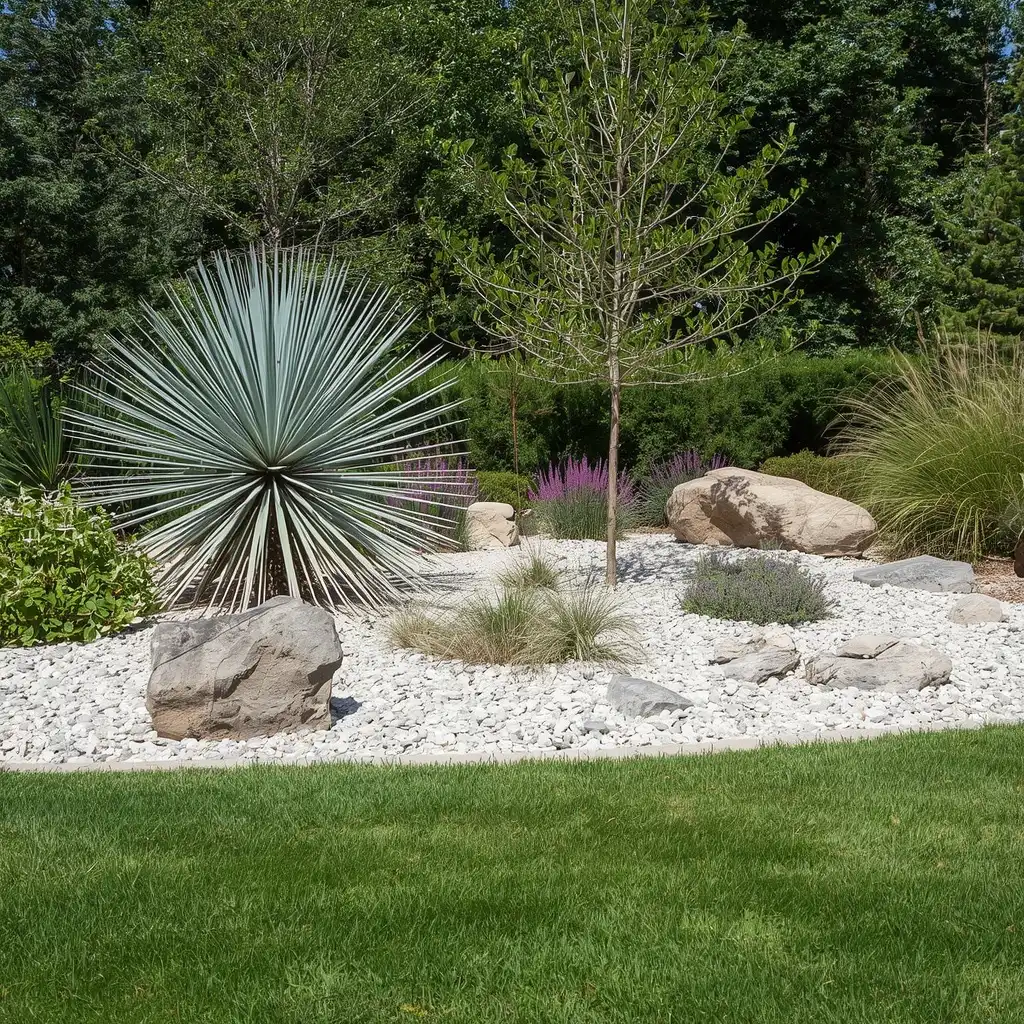
A white rock garden can reduce lawn space, but gravel alone does not create a healthy low-water yard.
Start with plants suited to your local rain and soil. Native plants are often a smart place to begin.
Group plants with similar water needs. This makes watering easier and helps prevent waste.
Mix plant heights and leaf shapes. Use low flowers, medium grasses, and one taller plant or small tree.
Leave open areas of gravel between each group. Too many plants may hide the design.
In very hot areas, large fields of white stone may reflect heat onto nearby plants and walls. Use smaller rock zones mixed with living ground cover or shade.
Best for: Dry climates, sunny yards, and homes with water limits.
Copy this look: White-gray gravel, yucca, salvia, native grasses, and one large boulder.
Watch out for: Covering the whole yard with rock and very few plants.
Edge a Rain Garden or Drainage Swale
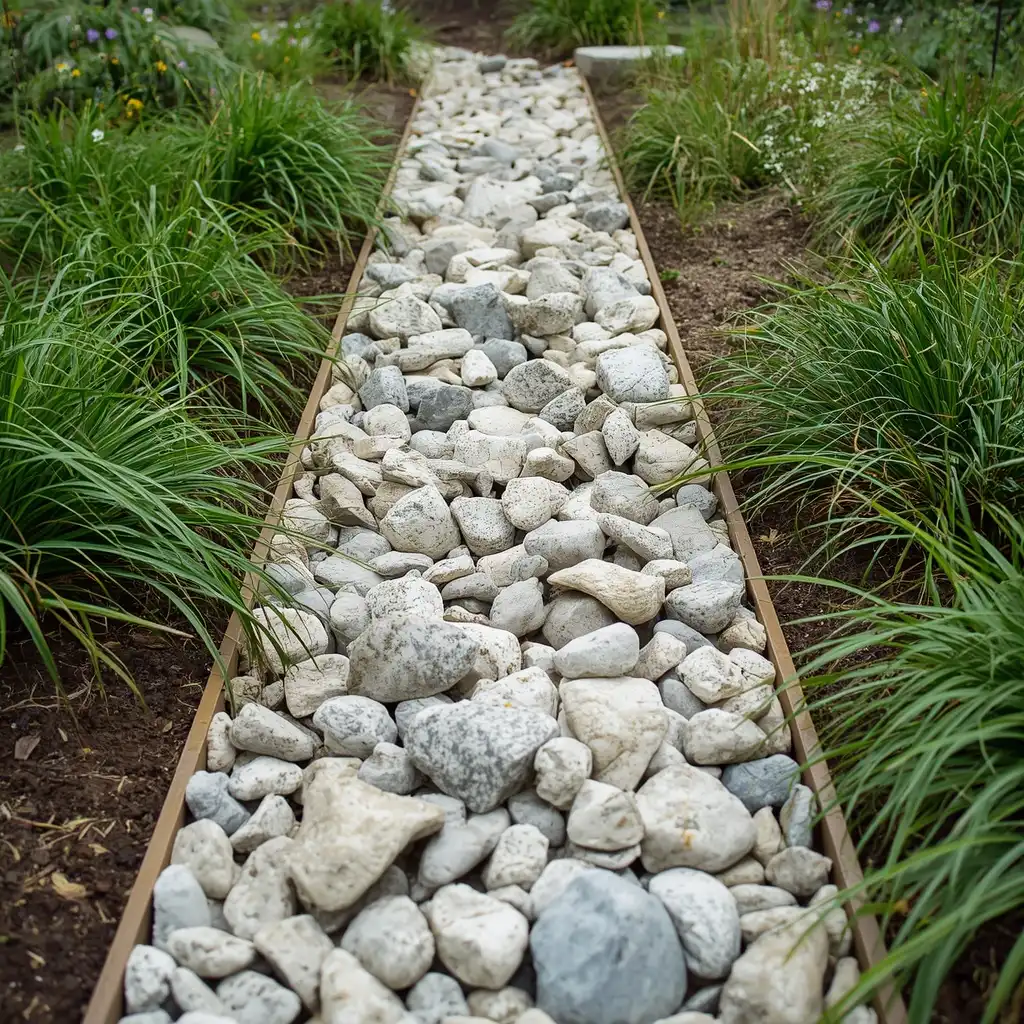
A rain garden holds runoff for a short time while water soaks into the soil. A swale helps move water across the yard.
White-gray river rocks can protect the lowest part from visible erosion.
Use medium or large stones where water moves quickly. Tiny gravel may wash away.
Plant moisture-friendly grasses and flowers along the sides. The lowest section may need plants that can handle short wet periods.
Do not build up stone in a way that blocks water. The area should still drain after a storm.
Check where the runoff comes from and where it will go. Water should not move toward the house or a nearby property.
Best for: Low garden areas, downspout zones, and gentle slopes.
Copy this look: Pale river stone, native grasses, and flowering plants along both sides.
Watch out for: Creating a low spot that stays wet for many days.
Add White River Rock Near a Pool or Fountain
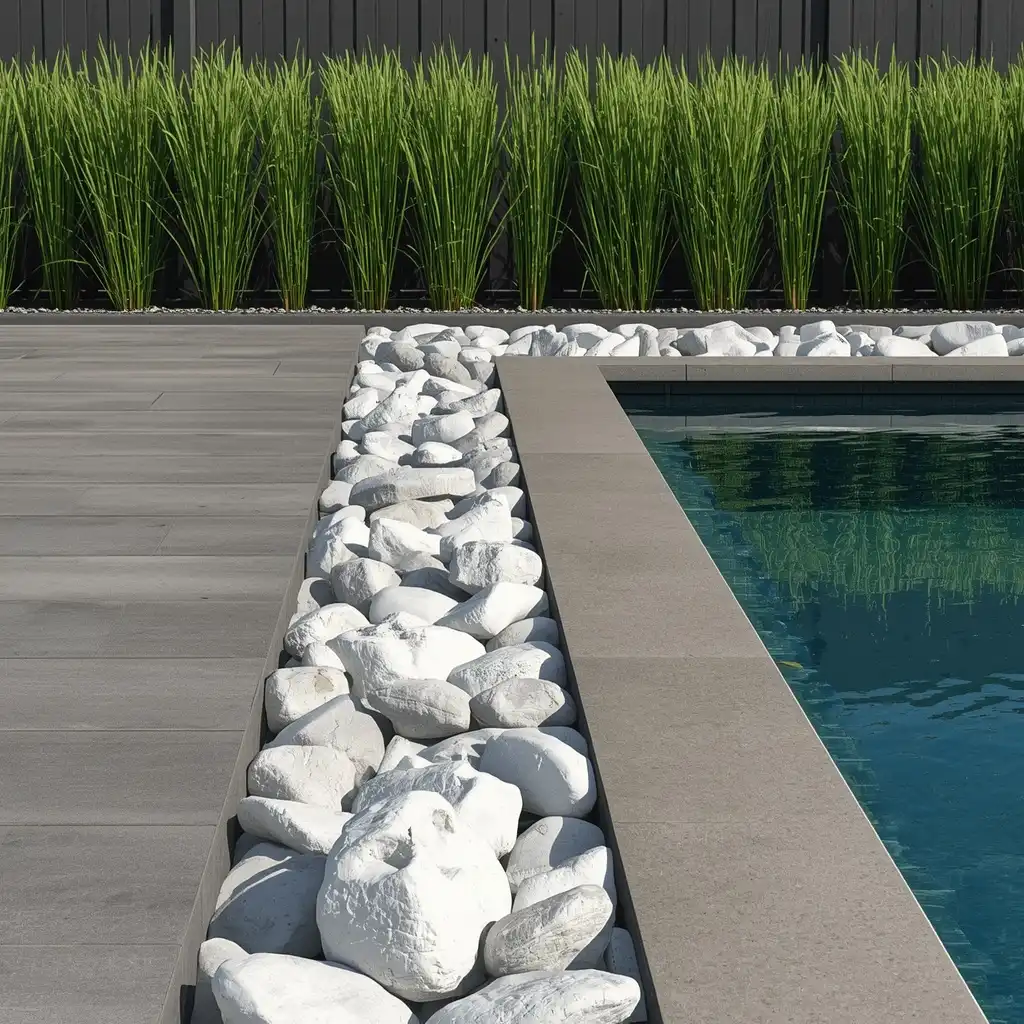
White river rock creates a clean edge around water. Its smooth shape also feels softer than crushed stone.
Use rounded stones where people may walk without shoes. Test the surface first because wet stones can still be slippery.
Choose rocks that are too large to wash into drains. Add edging between the rock and the pool deck.
Plants near a pool should handle reflected light and occasional splashes. Ornamental grasses and strong evergreen plants often work well.
Keep sharp gravel away from pool liners and other soft surfaces.
Best for: Pools, ponds, fountains, and outdoor showers.
Copy this look: Smooth white river rock, gray decking, and a row of green grasses.
Watch out for: Small stones entering drains or pool equipment.
Create a Black-and-White Geometric Garden
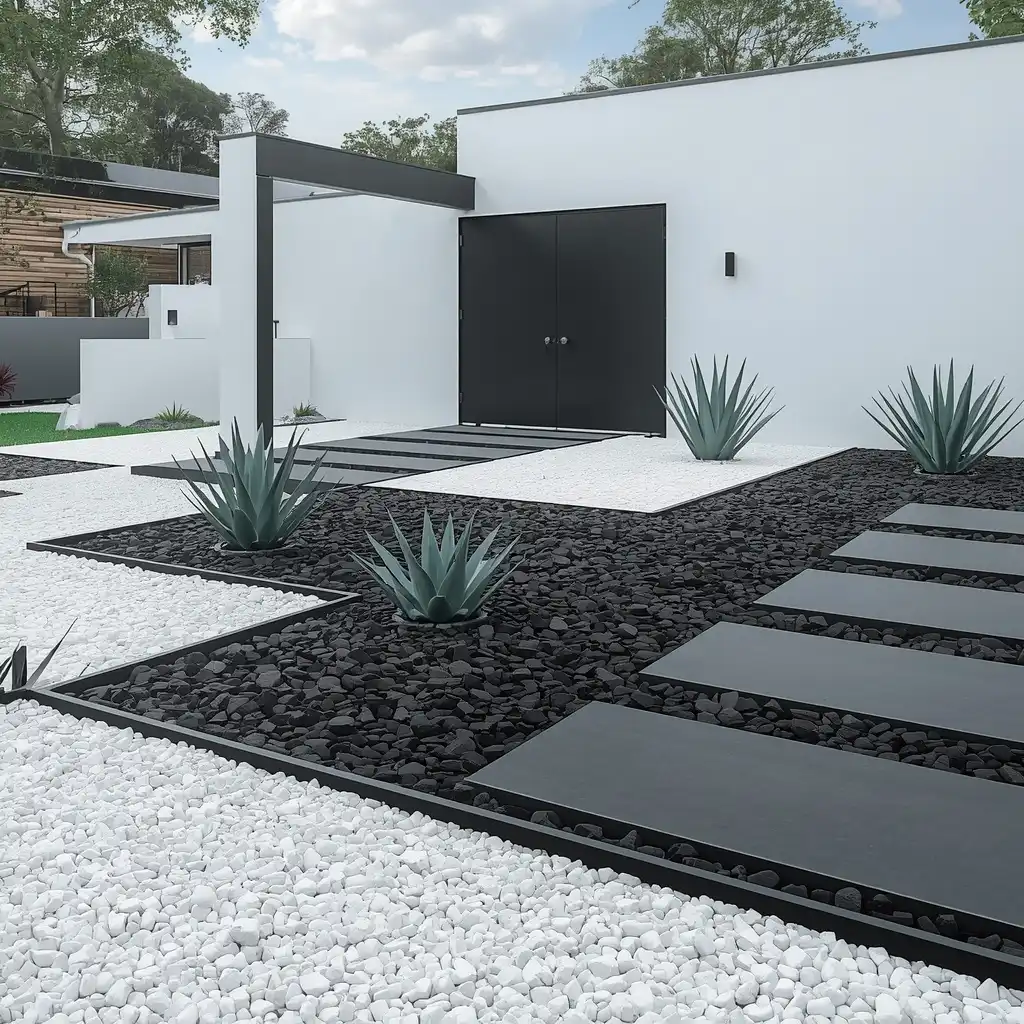
Black-and-white gravel can give a modern yard a bold focal point.
Plan the shapes before removing any soil. Squares, curves, stripes, and simple blocks work better than many small patterns.
Use metal edging to divide each color. Without a firm divider, the stones will mix over time.
Keep the plant choice simple. Two or three sculptural plants may be enough.
This design needs regular care. Leaves, loose soil, and mixed stones can quickly weaken the sharp pattern.
Best for: Modern entries, office gardens, and simple patios.
Copy this look: White gravel, charcoal stone, three agaves, and thin steel edging.
Watch out for: Creating tiny sections that are hard to clean.
Design a Calm Zen-Inspired Corner
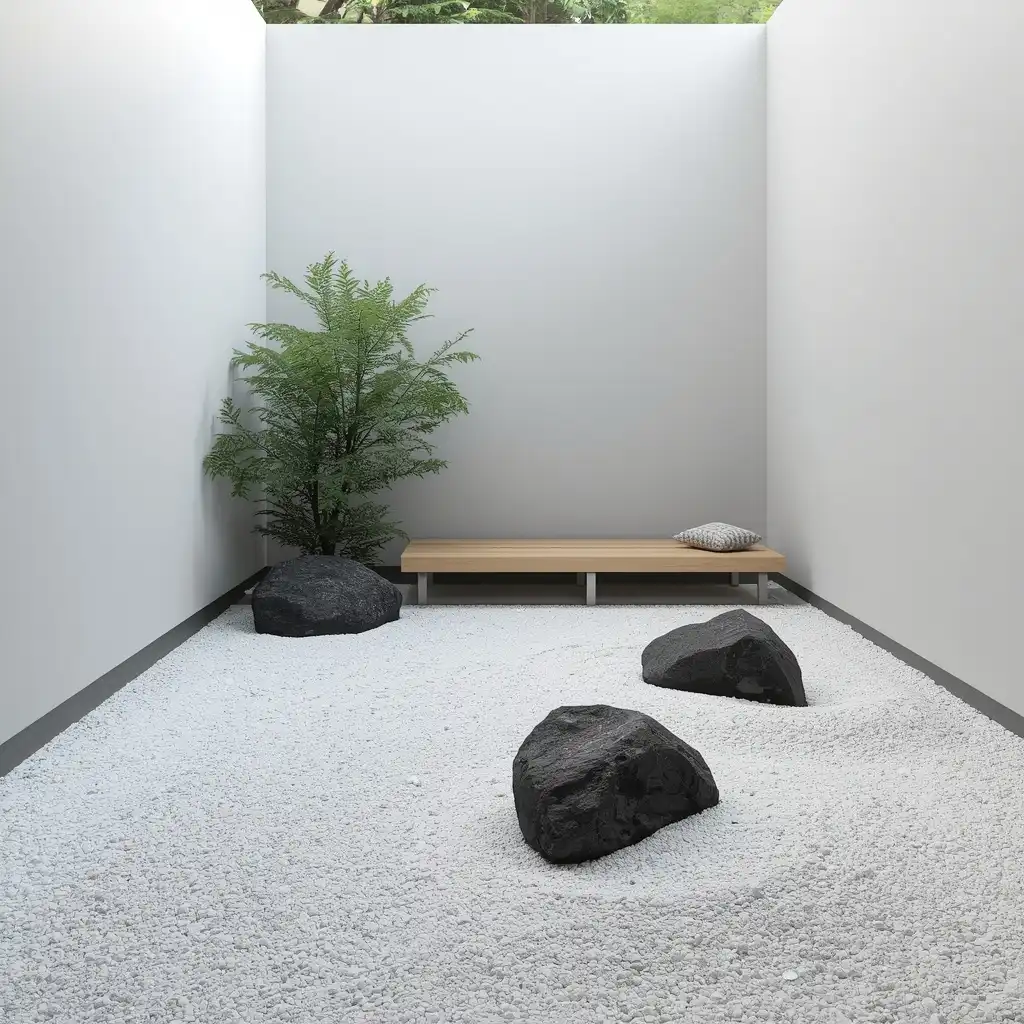
A quiet gravel corner can make a busy yard feel more peaceful.
Use fine pale gravel as the main surface. Add three or five larger dark rocks for contrast.
A small evergreen, simple bench, or bamboo screen can frame the space.
Keep the number of items low. Too many pots, statues, and plants may make the area feel crowded.
Raked patterns look attractive in photos, but they need regular care. Use them in a low-traffic spot.
Calling the design “Zen-inspired” is more accurate unless you have studied traditional Japanese garden design.
Best for: Quiet corners, small courtyards, and spaces near a home office.
Copy this look: Pale gravel, three dark rocks, one evergreen, and a wood bench.
Watch out for: Adding too many decorative items.
Frame a Fountain With White Stone
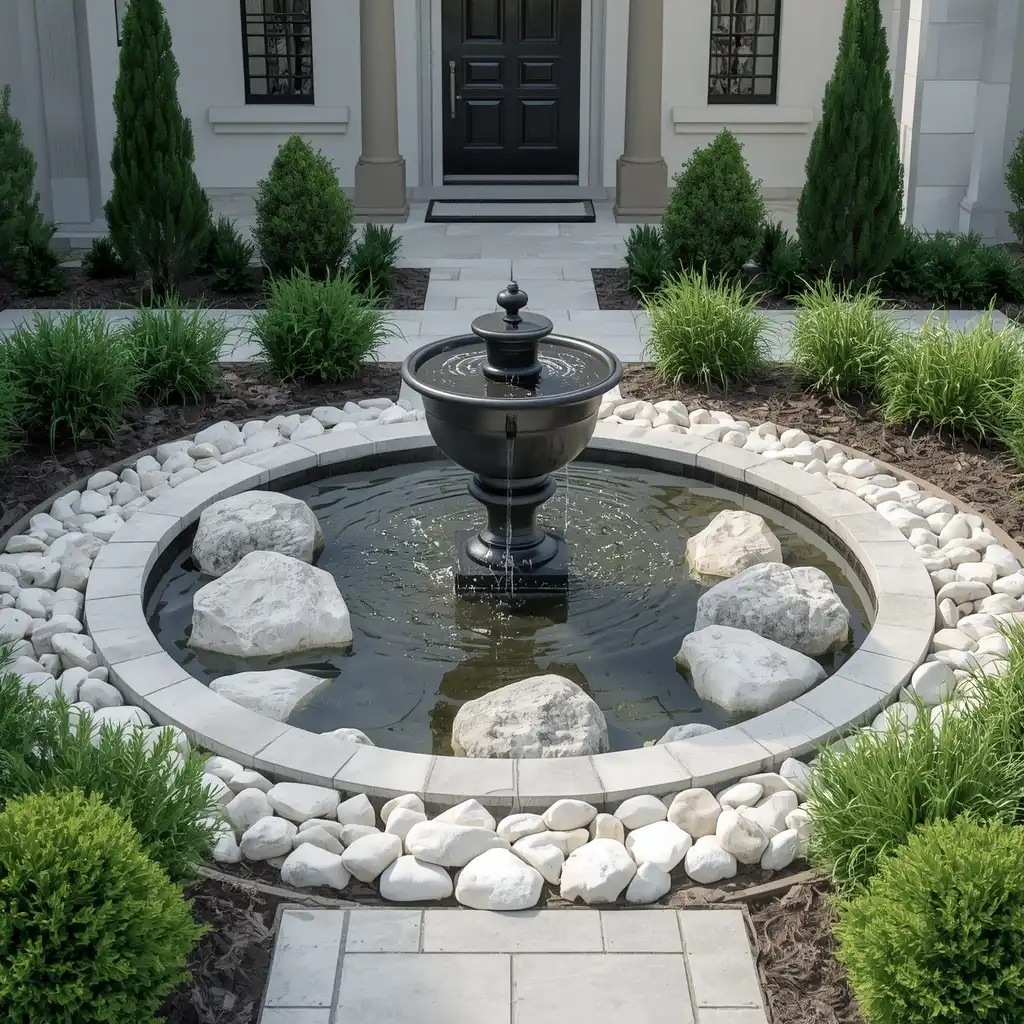
A dark fountain can look more striking when placed on a bed of white stone.
Create a circle, square, or curved bed around the fountain. Use larger rocks near the water to reduce movement.
Plant low evergreens or grasses around the outside edge. Their darker color will frame the white surface.
Keep the pump, plug, and water line easy to reach. Do not bury access points under heavy rocks.
Mineral marks and algae may show on white stone near splashing water. Plan to rinse or clean the area when needed.
Best for: Entry gardens, patios, and small courtyard features.
Copy this look: A dark urn fountain, white river rock, and a low green border.
Watch out for: Placing small rocks where water can carry them into the pump.
How to Install White Landscape Rocks Without Making a Mess
Good preparation helps white rock stay in place and look clean. Skipping the base work may lead to weeds, sinking stones, and uneven edges.
Measure the Area Before Buying Rock
Measure the length and width of the bed. Multiply those numbers to find the square footage.
Irregular beds can be split into smaller shapes. Measure each part and add the totals.
Use the stone supplier’s calculator to estimate how much material you need. Coverage can change based on the rock size, shape, and depth.
Order a little extra for future repairs and thin areas.
Clear and Grade the Ground
Remove weeds, roots, old mulch, and loose waste.
Shape the soil so water moves away from buildings. Do not create a low pocket beside the foundation.
Paths and patios need a firmer base than decorative beds. Compact the ground before adding the top layer.
Contact the local utility marking service before deep digging or driving stakes into the soil.
Add Strong Edging
Edging keeps rocks out of the lawn, path, and driveway.
Steel creates a thin modern line. Brick and stone create a heavier border. Plastic can work in hidden or curved areas when installed well.
Set the edge high enough to hold the gravel. Keep it low enough to avoid a trip risk.
Decide Whether Fabric Makes Sense
Landscape fabric can keep stone from mixing with soft soil. It may also slow sinking.
However, weeds can still grow in dust and leaves that collect above the fabric.
Fabric can also make future planting harder. Avoid wrapping it tightly around trees and shrubs.
Use it based on the site, not as a promise of a weed-free yard.
Spread the Stone Evenly
Pour the stone in small piles across the area. Then spread it with a rake.
Keep the surface level. Avoid deep piles around plant stems, tree trunks, drains, and walls.
Walk through the space before finishing. Check for loose pavers, low spots, and sharp edges.
How to Keep White Rocks Looking Clean
White rock is lower care than some ground covers, but it is not free from work.
Remove leaves before they break down. A low blower setting can move light waste without throwing small stones.
Pull weeds while they are young. Their roots are easier to remove before they spread through the gravel.
Rake stones back into place after heavy rain, pet activity, or foot traffic.
Mud and rust can leave marks. Use cleaning products that are safe for plants, stone, concrete, and nearby water.
Add a thin new layer when the surface starts to look patchy. Do not keep adding rock without checking the total depth.
These white rock landscaping ideas will look better for longer when edging and cleaning are part of the plan.
Common White Rock Landscaping Mistakes to Avoid
White rock can improve a yard, but poor placement may create more work.
Avoid these common mistakes:
- Covering large sunny areas without checking heat and glare
- Using tiny gravel beside car tires
- Skipping edging beside grass
- Piling rocks against tree trunks
- Hiding poor drainage under decorative stone
- Mixing several rock colors without dividers
- Placing loose gravel under unstable furniture
- Choosing plants before checking local weather
- Filling every open space with rock
- Using unknown stones inside a fire pit
The best design often uses less rock than you expect. A narrow border or small bed may have more impact than a yard covered from wall to wall.
Frequently Asked Questions
Do white landscaping rocks get dirty?
Yes. Dust, soil, leaves, rust, and plant waste can stain the surface.
Regular blowing and light raking can keep the area cleaner. Strong edging also helps stop soil from washing into the rocks.
What plants look best with white rocks?
Dark green, blue-green, silver, purple, and burgundy leaves create strong contrast.
Good choices may include ornamental grasses, salvia, lavender, sedum, juniper, agave, and compact evergreen shrubs. Always choose plants that fit your climate.
Should you put landscape fabric under white gravel?
Fabric may help keep gravel from sinking into soft soil. It can also separate the stone from the soil below.
It will not stop every weed. Seeds can grow in dirt that builds up on top of the fabric.
How deep should white landscape rock be?
The right depth depends on the rock size and how the area will be used.
A decorative bed may need a different depth than a path or patio. Follow the supplier’s advice for the exact product.
Do white rocks make plants hotter?
White rocks can reflect strong light and heat. This may stress some plants, mainly near sunny walls.
Test a small area first. Add shade or use softer cream stone when glare is strong.
How do you stop white gravel from spreading?
Install firm edging before adding the gravel. Use medium stones in areas with traffic or runoff.
Keep the gravel level slightly below the top of the edge.
Can you use white rocks around trees?
Yes, but leave the trunk and root flare open.
Do not mound stones against the bark. Avoid cutting major surface roots while preparing the bed.
Create a Bright Yard Without Covering Every Inch
White rock can brighten paths, flower beds, driveways, patios, and small garden corners. It can also add contrast around dark plants and outdoor features.
The key is control. Choose the right stone size, prepare the ground, install strong edging, and plan for heat and cleaning.
Start with one small area. Test the stone in different light before buying a large amount.
These white rock landscaping ideas can work in large yards, small gardens, and narrow side spaces. Begin with one clear border or planting bed, then expand the design once you know how the rock looks and performs.